The 30-day drug rehab program can allow someone to take a break from using drugs, receive professional assistance and therapy, and learn ways to resist relapse, and allow for time to create a recovery plan. While 30 days may be sufficient for some, the exact duration of treatment will vary.
The advantages of a 30-day drug rehab program might include having a soothing and controlled environment, having routine access to skilled care, escaping from triggers, and developing much healthier habits. Thirty days could be a practical beginning for those who require more assistance than outpatient treatment but who might not need a longer period of residential treatment.
We are aware of how difficult it is to make the choice to go into treatment at Florida Atlantic Coast Treatment Solutions. Perhaps you are questioning if 30 days is enough, what will take place during treatment, or just how much rehab costs, or you might even ask yourself if you will be able to go home after rehab. Most people can only expect so much in a 30-day program, and here’s how you can know if it is right for your recovery.
Key Takeaways
- A 30-day program offers a few weeks of addiction care and support.
- Treatment can involve assessment, individual counseling, group therapy, education, and planning for preventing rises in drug use.
- A 30-day detox program can assist someone in separating from daily triggers and drugs.
- Thirty days is not necessarily a full course of treatment.
- Continuing care after residential treatment is desired by some individuals.
- The duration of the treatment to be delivered will be determined by clinical need, safety, progress, and recovery goals.
- It will help the transition home if a patient receives a personalized discharge and aftercare plan.
What is a 30-Day Drug Rehab Program?
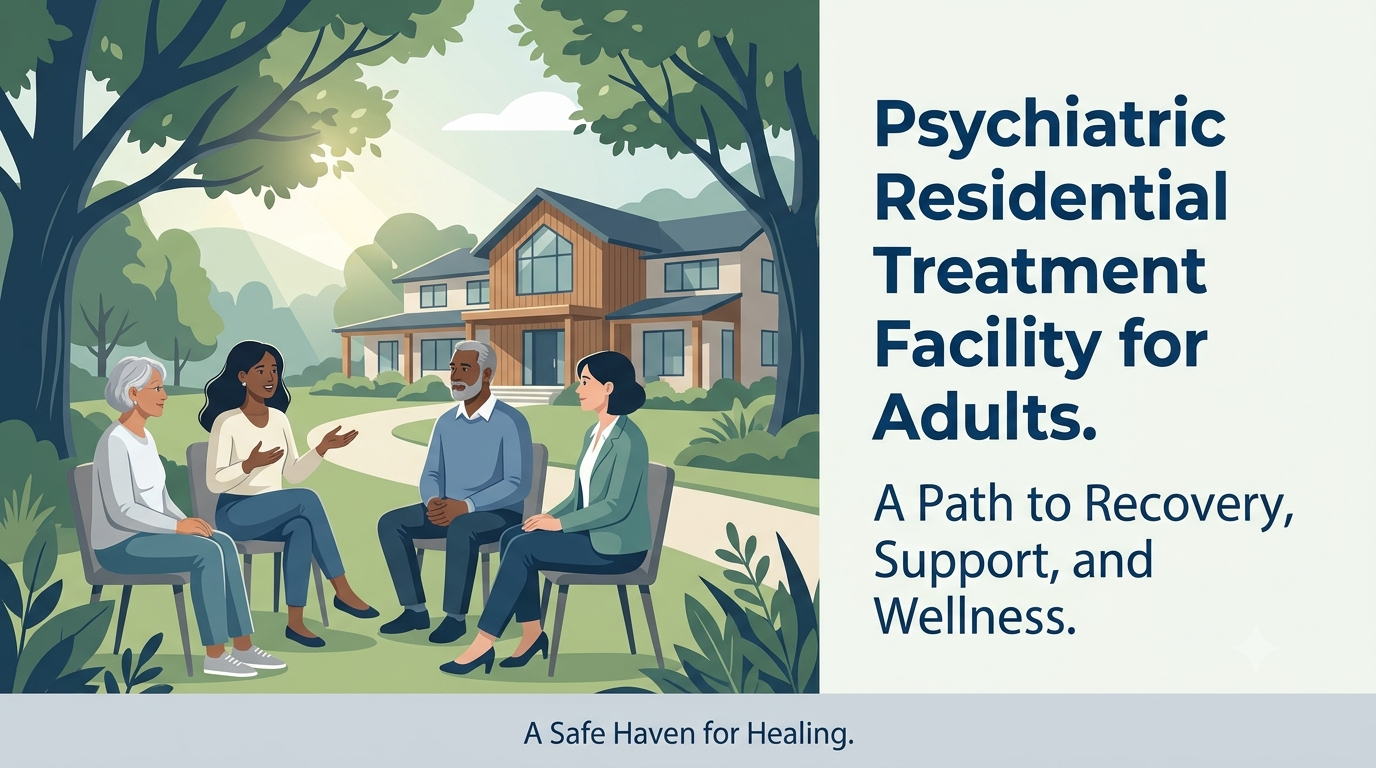
A 30-day drug rehabilitation course is a structured treatment program aimed at consumers to help the individuals work on substance addictions whilst residing in a supportive treatment environment or being involved with an organized degree of care.
The specific services may differ from one facility to another. Treatment can include medical assessment, behavioral therapy, individual counseling and support, group counseling and support, recovery education, family education, and planning for continuous care depending on a person’s needs.
It’s not about any idea of doing 30 days drug-free. Good treatment ought to assist a person to recognize which substances they utilize, what scenarios will make them crave to use their drug once again, what healthy coping mechanisms they ought to learn and what they have to do to prepare for life following treatment.
The positive aspects of taking a 30-day drug rehab program are obvious.
Structure is one of the most significant advantages of a thirty-day drug rehabilitation program. If drug use is part of a person’s routine, certain routine changes may be challenging. Milieu care may offer an individualized program to find a structure that can help someone recover.
Benefits of a 30-Day Drug Rehab Program
1. Time Away From Drugs and Triggers
Some people have triggers to drugs at home, in their workplaces, or with their peers. Distance from many such influences can be found in a residential setting.
This can be beneficial so that the person can focus on treatment without having to face situations that could trigger drug and/or alcohol use.
2. Consistent Professional Support
Another benefit is that you can contact trained treatment experts on a daily basis. Addiction to a substance may affect a person’s behavior, relationships with others, and physical, emotional, and decision-making health.
The doctor or counselor can see what’s going on and make adjustments if necessary with a structured program.
3. Time to Build Healthy Routines
Recovery is more than about quitting drugs. Sleep, nutrition, exercise, stress management, communication, and daily responsibility may all be crucial components of regaining/cultivating a stable life.
Thirty days allows you enough time to get on to ongoing new and improved behaviors and habits without having to change your entire home.
4. Individual and Group Therapy
Treatment will allow everyone to understand their motivations for consuming drugs or alcohol and learn about alternative, healthier methods that can be used to handle stress, cravings, conflicts, and negative emotions.
Individual counseling will be done to give time to work on the individual concerns in private. Group therapy can help lessen isolation and offer the chance to learn from others with comparable issues.
5. Relapse-Prevention Planning
One of the significant advantages of a 30-day drug rehab program is learning to know how to prepare for situations that may compromise recovery.
The relapse prevention plan can list potential cues, early signs, ways to deal with cravings, people to turn to and what to do if something becomes challenging.
6. A Clear Starting Point for Recovery
The time of 30 days can establish a designated time window for recovery. After all, if someone is feeling like they have to make some changes for the rest of their life, starting with the next few weeks doesn’t always seem so overwhelming.
The target is to take advantage of the 30 days to set up sustainable improvement.
What Happens During a 30-Day Drug Detox Program?
A 30-day drug detox program will not necessarily just be a 30-day rehab program.
The most important issue with detox is that the body will be safely managed during the withdrawal process from a substance. Withdrawal from a drug or substance can be life-threatening sometimes. Medical supervision might be necessary for detox then.
Rehabilitation for general recovery needs. Post-detox or concurrent with detox, treatment can involve exploring behavioral patterns, mental health, strength in relationships, coping mechanisms, preventing relapse, and planning for long-term recovery.
Some prefer detox treatments without any residential program, whereas for some it is the initial step towards residential treatment. The sequence of programs completed will differ depending on the client’s drug and alcohol history and clinical needs.
What Is a 30-Day Inpatient Drug Rehab Program Like?
A 30-day inpatient drug rehab program typically provides a very structured environment, and treatment is offered around the clock.
Daily programs may include many of the following but are not limited to:
- Individual counseling
- Group therapy
- Recovery education
- Behavioral health support
- Wellness activities
- Life-skills development
- Appropriate family or relationship counselling, if necessary
- Relapse-prevention work
- Planning for discharge and aftercare
The largest benefit is that of consistency. A person doesn’t have to go to one appointment and then go home and back to the same environment; he or she can have a prolonged period concentrated in recovery.

Who May Benefit From 30-Day Drug Rehab Programs Near Me?
For those who are looking for a 30-day drug rehab in my area, they may be seeking treatment due to the fact that substance use is affecting their job, relationships, health, finances, or day-to-day duties.
When appropriate, a 30-day program might be considered when:
- It’s difficult to control any use of drugs or alcohol.
- In the past, there have been efforts to stop work which have been unsuccessful.
- It is difficult to rehabilitate at home or in a social context.
- Structured support is required by a person.
- Relationships or responsibilities are being affected by drug use.
- The person wishes to develop a recovery plan with a professional.
But 30 days will not always be the ideal amount for each individual. There may be a need for a longer period of in-residence at a treatment facility, or outpatient care may take place sooner for some people.
How Effective Is a 30-Day Drug Rehab Program?
Thirty days is effective or not based upon the individual, the type of treatment, treatment adherence, the seriousness of the substance use disorder, co-occurring issues, and the post-program activities.
It is important to see the advantages of a 30-day drug rehabilitation program; however, as part of a larger recovery process and certainly not a cure or prevention.
The NIDA has created tips for teachers, researchers, and others based on the evidence regarding the clinical treatment length, which emphasizes that there may be no “right” amount of time and that continuing treatment can be lifesaving for some people.
Recovery isn’t just about what occurs while in a facility, either. According to SAMHSA, recovery is a process that may include health, housing, purpose, supportive relationships, and personal growth.
How Much Is Rehab for 30 Days?
In response to the question asking how much rehab costs for 30 days, there are a couple of factors to consider.
The prices may vary depending on:
- The type and level of treatment:
- Includes medical services or not
- Facility location
- Amenities and accommodations
- Insurance coverage
- Length of stay
Medications and other clinical services, such as speech therapy or physical therapy.
Avoid using a national average and find out from a treatment provider a customized estimate for you. Inquire what insurance might pay for and if there are other out-of-pocket charges.
Is 30 Days Long Enough for Addiction Treatment?
30 days represents enough time to have made good strides and a solid foundation for others. For others, it may be just the start.
Being 30 days sober is not the magic number. Whether or not the person has progressed sufficiently to safely move on to the next level of care.
After the process of residential treatment, the individual may benefit from outpatient care or intensive outpatient care, sober living, counseling, peer support, or other recovery services.
NIDA outlines the process of addiction treatment and the variable duration of treatment, which is clinically appropriate.
Start Your Recovery With Florida Atlantic Coast Treatment Solutions
Don’t allow the issue to deteriorate if you or someone you love is experiencing a drug problem.
Florida Atlantic Coast Treatment Solutions can educate you about your treatment options and what level of care might be necessary. Call to talk about treatment options, to ask questions, and to take the first steps towards recovery.
What Happens After a 30-Day Rehab Program?
Failure to complete treatment does not mean that recovery is not complete. In many cases, this post-residential care treatment is the most crucial portion of the rehab process.
Continuing care can involve outpatient counselling, support groups, the handling of medicines if necessary, family support, recovery residences, or follow-up appointments.
The advantages of a 30-day drug rehab program become more significant when the skills that are learned in rehab are applied to life.
Before discharge, ask:
- Where will I live?
- So who to call if the cravings get tough?
- When are appointments set?
- When do I need to stay out of certain situations?
- If I do have a relapse, what will I do?
- What will be my treatment after that?
Consider the above before discharge from treatment and make the change easier.

Final Thoughts
The advantage of going to a 30-day drug rehabilitation facility is not just the time off that you will be taking from drugs. A managed program will be able to offer time, support, therapy, accountability, education, and a plan for the future.
30 days can be a significant start, but recovery is not necessarily a calendar. Treatment should include a person’s substance use, his or her physical and emotional well-being, surroundings, relationships, and long-term objectives.
If you’re looking to find treatment in Florida, Florida Atlantic Coast Treatment Solutions will help you find your treatment options and take the next step to recovery.
Don’t wait until it gets worse before seeking help.
Call us today and talk about treatment options.
Frequently Asked Questions
How effective is 30-day rehab?
Thirty-day rehab can be effective for establishing structure, reducing exposure to triggers, learning coping skills, and beginning therapy. Its effectiveness depends on individual needs, treatment quality, engagement, and continued support after the program ends.
How long should a drug addict be in rehab?
There is no universal treatment length. Some people may benefit from 30 days, while others need longer residential or outpatient care. Treatment duration should reflect substance use severity, medical needs, progress, support systems, and ongoing recovery goals.
Do you have to stay in rehab for 30 days?
Not necessarily. Treatment length depends on the program, clinical recommendations, progress, safety, and individual circumstances. Some people complete 30 days, while others transition earlier or continue treatment for longer when additional support is appropriate.
How many days does rehab typically last?
Rehab can last for several weeks, months, or longer depending on the level of care and individual needs. Residential programs commonly use defined periods such as 30, 60, or 90 days, but treatment plans can vary.
What addiction has the highest recovery rate?
There is no single addiction with a guaranteed highest recovery rate. Outcomes vary by person, treatment access, treatment engagement, support, and continuing care. Addiction is treatable, and recovery can occur through different evidence-based treatment pathways.
Is 30 days sober a big deal?
Yes. Thirty days without drugs or alcohol can represent meaningful progress, especially for someone who has struggled to stop. It can provide time to establish healthier routines, experience early recovery, and build confidence for continued treatment.
Can you leave rehab whenever you want?
Policies vary by facility and level of care. Leaving treatment early can interrupt care and may create safety concerns, particularly during withdrawal. Speak with the treatment team before making a decision about leaving or changing your level of care.
What’s the hardest month of sobriety?
There is no single hardest month for everyone. Early sobriety can be challenging because cravings, withdrawal symptoms, emotional changes, and lifestyle adjustments may occur. Later challenges can also arise as people encounter old triggers and routines.
Can I use my phone in rehab?
Phone policies vary between treatment facilities. Some programs limit phone access during the early stages of treatment and later provide scheduled access. Ask the facility about its current rules for calls, texting, internet use, and personal devices.
Disclaimer
This article is intended for general educational and informational purposes only. It is not a substitute for medical advice, diagnosis, or individualized treatment from a qualified healthcare professional. Detoxification and withdrawal from certain substances can be medically dangerous. Anyone considering stopping drugs or alcohol should speak with an appropriate healthcare professional about the safest course of action. Treatment recommendations and length of stay should be determined according to individual clinical needs.
References and Content Sources
- Rehabs.com, 30-Day Alcohol and Drug Rehab Programs, used as the requested primary content reference: Rehabs.com 30-Day Rehab Guide
- National Institute on Drug Abuse (NIDA), Principles of Drug Addiction Treatment: NIDA Treatment Principles
- Substance Abuse and Mental Health Services Administration (SAMHSA), recovery and treatment resources: SAMHSA Recovery Resources