Key Takeaways
- While living in a Residential Treatment facility, they will offer care services and will live in the home to give constant care.
- Helping people to combat their addiction, mental health and co-occurring disorders is accomplished with the assistance of programs.
- Therapy and/or medications (behavior support/relapse prevention) may be a part of the treatment.
- One aspect of residential care is the elimination of negative environments, as well as the elimination of negative triggers.
- Treatment is tailored to meet the needs of each individual and based on their treatment plan; the length of stay will vary.
- It’s all under the guise that it’s a residential facility licensed, regulated and governed by health care; in Florida, all health care is governed, licensed, and regulated.
Residential treatment facilities are those that are always getting the answer to “what is residential treatment,” and people with this question are typically in the midst of a bad time. Families who have an understanding of the realities of living in a residential facility can make the best choices, especially if one family member suffers from mental health issues and/or a substance use disorder and may experience co-occurring disorders.
A residential treatment facility provides module residential treatment, professional support or medical supervision and provides everyday supervision within a treatment facility, that might be safe and structured to provide better recovery.
But, for many people, the assistance they need will only come from an inpatient program. A residential care environment can provide someone with 24-hour care and routine and can allow them to go through the day free from triggers and focus solely on recovery. Emotional healing intertwined with physical healing is an integral part of promoting healthy behaviors and skills for the future at Florida Atlantic Coast Treatment Solutions.
Residential facility for a person with a behavioral/mental disorder and or substance abuse, who requires a 24-hour facility of care and protection for the person. The Florida Agency for Health Care Administration (AHCA) has offered direction to these facilities on treatment settings, procedures and direction for the clinical aspects of patient care and patient safety that should be subject to regulation.
The treatment continues endlessly on to residential therapy, a center-based counseling program to ensure patients’ regular recuperation, which offers medical, counseling, behavioral, drug and life skills therapy. Residential care is utilized either after detox or when outpatient care isn’t effective or if a mental health crisis happens.
Understanding Residential Treatment Facilities
Residential Treatment Facility, this is a live-in healthcare facility that provides intensive, 24/7 supervision and therapy. It is intended for those who have complex mental health problems, addiction or behavioral issues and require a more structured therapeutic environment than outpatient treatment can deliver.
A residential treatment facility is a type of facility where someone can live and get treatment for addiction, mental health, and/or behavioral/emotional health issues. This will not be ‘outpatient’; it will require continuing care and supervision.
These centers have been created to care for the healing, not the hurting. They have a stable time in the center; their time can include therapy sessions, as well as wellness and support groups, but this is dependent on their individual needs.
The Florida Agency for Health Care Administration (AHCA) believes Florida Residential Treatment Centers (RTCs) are high-quality centers, and care is provided in a safe environment. This is to ensure that they have an adequate number of people in the facilities, staff-wise and safety-wise. For whom is living in residential treatment an option?
Who Needs Residential Treatment?
In residential treatment facilities, therapy tends to be advantageous for individuals who:
Have been using alcohol and/or drugs at a very high level for a long time.
There are a number of times when people relapse and/or fail to carry on with the new behaviour (cessation or failures)
- Being brought up in dysfunctional and unstable families
- Require psychiatric or medical assistance.
- Experience mental health problems and substance abuse.
- Should be supported regularly daily.
- Take into account that he/she is incapable of self-healing without treatment.
Quite a few who are starting to see clearly how to heal will look for ways to protect themselves from being diverted.
What Happens in a Residential Treatment Facility?
Sometimes a treatment center’s policy can make families feel that they are not valued because they do not understand what to expect. Each program will have its own timetable; generally, a residential treatment program follows a fixed timetable.
Common services include:
Individual Therapy
A private therapy session with a 1-on-1 therapist who helps the patients to recover from trauma addiction, emotional and mental issues.
Group Counseling
Group sessions can be a great way to practice communication skills, be in a different environment, support each other, and help each other.
Medical Support
Some victims of an incident may need medications and/or medical interventions to address the effects and to heal.
Behavioral Therapy
Behavioral Therapy can provide the patient with a chance to change their negative thoughts by using (and showing the patient how to use) treatment along the lines of Dialectical Behavior Therapy (DBT) or Cognitive Behavioral Therapy (CBT) or they can be given medication to alleviate the symptom(s) the patient is suffering from.
Life Skills Training
Any skills that can be generally applied may include stress management skills, relapse prevention skills, coping skills, healthy lifestyle and communication skills.
Family Support
As far as the healing process, there are a couple of healing programs that can also help in restoring connections, while family-oriented therapy can be considered as healing too since the family is also a part of the healing process.
Looking for a structured, live-in environment built for lasting healing? Contact Florida Atlantic Coast Treatment Solutions (FACTS) today to learn about our residential programs.
Benefits of Residential Treatment
24/7 Supervision and Support: Recovery’s initial days can be strange and confusing. Continuous access to professionals is a major source of comfort and security.
Structuring the Environment: Regularly practice reducing the use of undesirable practices/herbs that can potentially lead to one event; make positive choices of events and healthy living regularly (daily), keeping to the rules: Emotional stability.
Reduced Exposure to Triggers: It is only when in a not-dry, unhealthful place or relationship that people can recover.
Peer Community: Sharing one’s personal story with others who may give you a sense of empowerment and support.
Comprehensive Care: Residential programs offer full treatment, but they don’t really take care of physical health. Though they do offer emotional help.
How Long Does Residential Treatment Last?
The amount of time that the individual will spend in the program will be based on the individual’s need, advancement and clinical recommendations.
The length of the programs varies and may not be less than:
Some may take longer duration, extended intervals of recovery, to learn the various and more lasting skills of recovery, while others may just need a short stabilization phase.
You can’t rely on therapy alone very simply or swiftly. It is best to use commitment and alterations of emotional, behavioral and lifestyle patterns as keys to a successful recovery.
Residential Treatment for Mental Health and Addiction
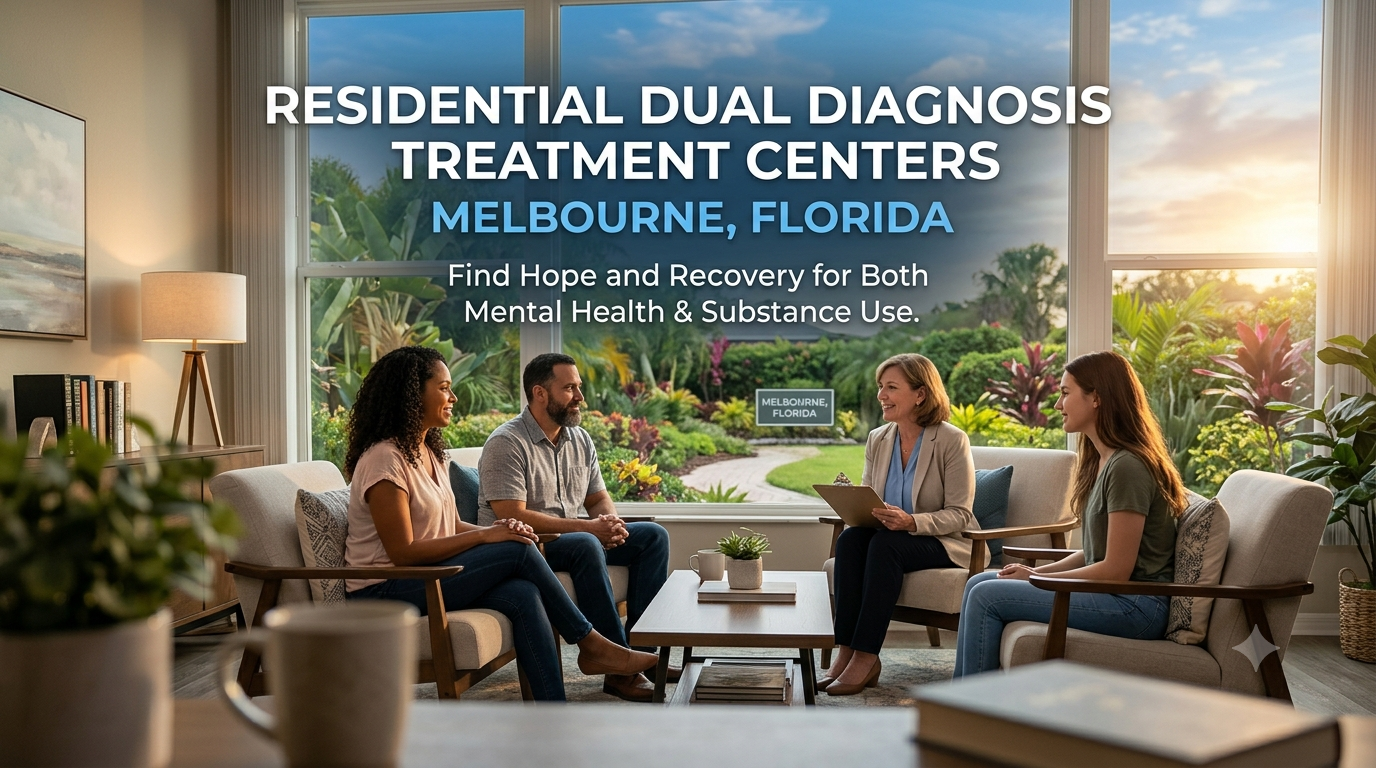
They will also have their mental problems; once they have started the treatment, many of them will become aware that they have addictions. It is also called “co-occurring disorder” (or “dual diagnosis”).
A residential treatment center would have the capability to aid in a great deal of areas, such as:
- Alcohol addiction
- Opioid addiction
- Prescription drug misuse
- Anxiety disorders
- Depression
- PTSD
- Bipolar disorder
- Trauma-related conditions
The need arises in the early stages.
Call (844) 643-2287 so that a caring specialist can guide you through the different steps that you should follow to go through with recovery.
Signs Someone May Need Residential Treatment
One of the most common issues that families might have is when they need to begin considering outpatient therapy.
A few of the telltale symptoms are the following:
There’s a possibility that I’ll slip and fall back on that road that I walked to get fucked off on since I left this place. If people re-enter drug abuse,
- Severe withdrawal symptoms
- Is in an emotional situation/Has been left alone! Does not seem to be able to regulate emotions and keeps them separate.
- Dangerous behaviors
- Suicidal thoughts
- One person cannot do activities that he or she might be able to do normally.
- Recharging/repeating behaviors that lead to bad outcomes and increased drinking/smoking.
This proactive intervention has the potential to bring positive benefits to them, possibly enabling them to experience genuine healing in the coming years, instead of having to endure a whole string of other interventions and treatments throughout their young years, which will likely worsen their symptoms.
Choosing the Right Residential Treatment Facility
Are you aware that the most crucial element is to get to the optimal program? Families’ task will be to investigate and develop their very own believable science and work program based upon their experiences.
Important factors include:
- Licensing and accreditation
- Qualified clinical staff
- Mental health support
- Dual diagnosis treatment
- Family involvement
- Aftercare planning
- Comfortable, safe environment

Begin Healing With Florida Atlantic Coast Treatment Solutions
With just a bit of assistance, it is definitely feasible to find one way out. For people who are addicted to drugs and alcohol as well as those who are mentally ill, Florida Atlantic Coast Treatment Solutions’ centers for treatment are, yes, the safest and most comfortable places for you.
Give yourself or your loved one the gift of around-the-clock professional care and clinical guidance by calling FACTS Recovery.
Disclaimer
This content is for informational and educational purposes only and should not replace professional medical advice, diagnosis, or treatment. Always seek guidance from qualified healthcare providers regarding mental health or substance use concerns.
References
- Florida Agency for Health Care Administration (AHCA)
- Substance Abuse and Mental Health Services Administration (SAMHSA)
- National Institute on Drug Abuse (NIDA)