It can be disorienting to watch someone you love grow so different in such a short period of time. Those nights of tossing and turning and waking up at night, the way you no longer recognize yourself, the weight loss that happened. It is not in your mind, and it is not a worst-case scenario.
Methamphetamine addiction has its own unique physical, behavioral, and psychological profile of symptoms such as skin sores, paranoia, intense mood swings and rapid weight loss. According to the ICD-10, methamphetamine addiction is classified as a stimulant use disorder, which means it affects the dopamine system in the brain, causing people to compulsively use the drug even though it is causing them serious harm. By understanding and identifying these early symptoms, families have a genuine opportunity to take action before they reach a more serious stage.
Meth does not change behavior slowly and steadily. It usually alters someone’s appearance, personality, and day-to-day function in a manner that is quite noticeable if one knows what to look for.
Keep reading to understand exactly what symptoms to watch for, how methamphetamine addiction is clinically classified, and what real treatment of methamphetamine addiction actually involves.
What Is Methamphetamine Addiction Exactly?
Methamphetamine addiction is a chronic condition marked by compulsive use of the drug despite serious harm to health, relationships, and daily functioning. It develops as the brain’s dopamine system adapts to repeated stimulation.
The National Institute on Drug Abuse describes methamphetamine addiction as a chronic, relapsing brain disease, noting that the drug’s powerful effect on dopamine reinforces compulsive use even as consequences worsen.
This chemical impact is exactly why meth addiction is so difficult to overcome through willpower alone.
Concerned about a loved one’s meth use? Call Florida Atlantic Coast Treatment Solutions.
Methamphetamine Addiction ICD-10 Classification Explained
Methamphetamine addiction falls under ICD-10 code F15, covering other stimulant-related disorders, with severity determined by specific diagnostic criteria. Clinicians use these codes to guide both diagnosis and treatment planning.
Common classifications include:
- F15.10: Mild methamphetamine use disorder, uncomplicated
- F15.20: Moderate to severe methamphetamine dependence
- F15.12: Methamphetamine abuse with psychotic symptoms
- F15.21: Methamphetamine dependence in sustained remission
Clinical coding guidance notes that a diagnosis of moderate to severe methamphetamine use disorder generally requires four or more DSM-5 criteria, including tolerance, withdrawal, and repeated unsuccessful attempts to cut back.
Physical Symptoms of Meth Addiction
Physical symptoms of meth addiction often become visible relatively quickly, especially with regular or heavy use. These changes are frequently the first signs families notice.
Common physical symptoms include:
- Rapid, noticeable weight loss
- Skin sores from compulsive picking
- Severe tooth decay, often called “meth mouth”
- Dilated pupils and rapid eye movement
- Elevated heart rate and body temperature
- Insomnia lasting days at a time
Fact: There is currently no FDA-approved medication specifically for methamphetamine addiction treatment.
Behavioral and Psychological Symptoms of Meth Addiction
Behavioral and psychological symptoms often develop alongside the physical signs, sometimes becoming just as noticeable. These changes can significantly affect relationships and daily responsibilities.
Common behavioral and psychological symptoms include:
- Extreme mood swings or sudden aggression
- Paranoia or suspicion of loved ones
- Hallucinations or delusional thinking
- Hyperactivity followed by crashing exhaustion
- Withdrawal from responsibilities and relationships
- Repeated, compulsive tasks with no clear purpose

Meth Withdrawal Symptoms to Expect
Meth withdrawal symptoms differ significantly from opioid or alcohol withdrawal, often centering on exhaustion and mood changes rather than severe physical illness. Symptoms typically follow a recognizable pattern.
Timeframe | Common Symptoms |
Days 1 to 3 | Extreme fatigue, increased sleep, depression |
Days 3 to 10 | Intense cravings, irritability, anxiety |
Weeks 2 to 4 | Gradual mood improvement, lingering low energy |
Beyond a month | Occasional cravings during stress or triggers |
Psychological symptoms, particularly depression and cravings, often outlast the physical exhaustion phase.
Methamphetamine Addiction Treatment Options
Effective methamphetamine addiction treatment relies heavily on behavioral therapy, since no medication currently targets meth addiction specifically. This makes structured, evidence-based counseling especially important.
Clinical treatment guidance identifies cognitive behavioral therapy as the most robustly supported psychological intervention for methamphetamine use disorder, particularly for managing co-occurring depression and anxiety.
Expert Advice: Cognitive behavioral therapy remains the most effective treatment for meth addiction.
Common treatment approaches include:
- Cognitive behavioral therapy (CBT)
- Contingency management, using structured incentives for progress
- Individual and group counseling
- Treatment for co-occurring mental health conditions
- Structured relapse prevention planning
Not sure if what you’re seeing points to meth use? Florida Atlantic Coast Treatment Solutions can help.
Get Help for Alcohol Withdrawal Today
Methamphetamine Addiction Management: Long-Term
Long-term methamphetamine addiction management focuses on sustaining recovery well beyond the initial treatment period. Since cravings and mood changes can resurface, ongoing support matters significantly.
Long-term management strategies include:
- Continued therapy or counseling after primary treatment
- Peer support groups for accountability
- Identifying and avoiding high-risk triggers
- Rebuilding routines around sleep, nutrition, and stress management
- Monitoring for co-occurring mental health symptoms
Treatment of Methamphetamine Addiction: What Works
The most effective treatment of methamphetamine addiction combines structured behavioral therapy with a supportive, judgment-free environment. Recovery tends to be more successful when both the addiction and any underlying mental health needs are addressed together.
What genuinely helps includes:
- A personalized treatment plan based on severity
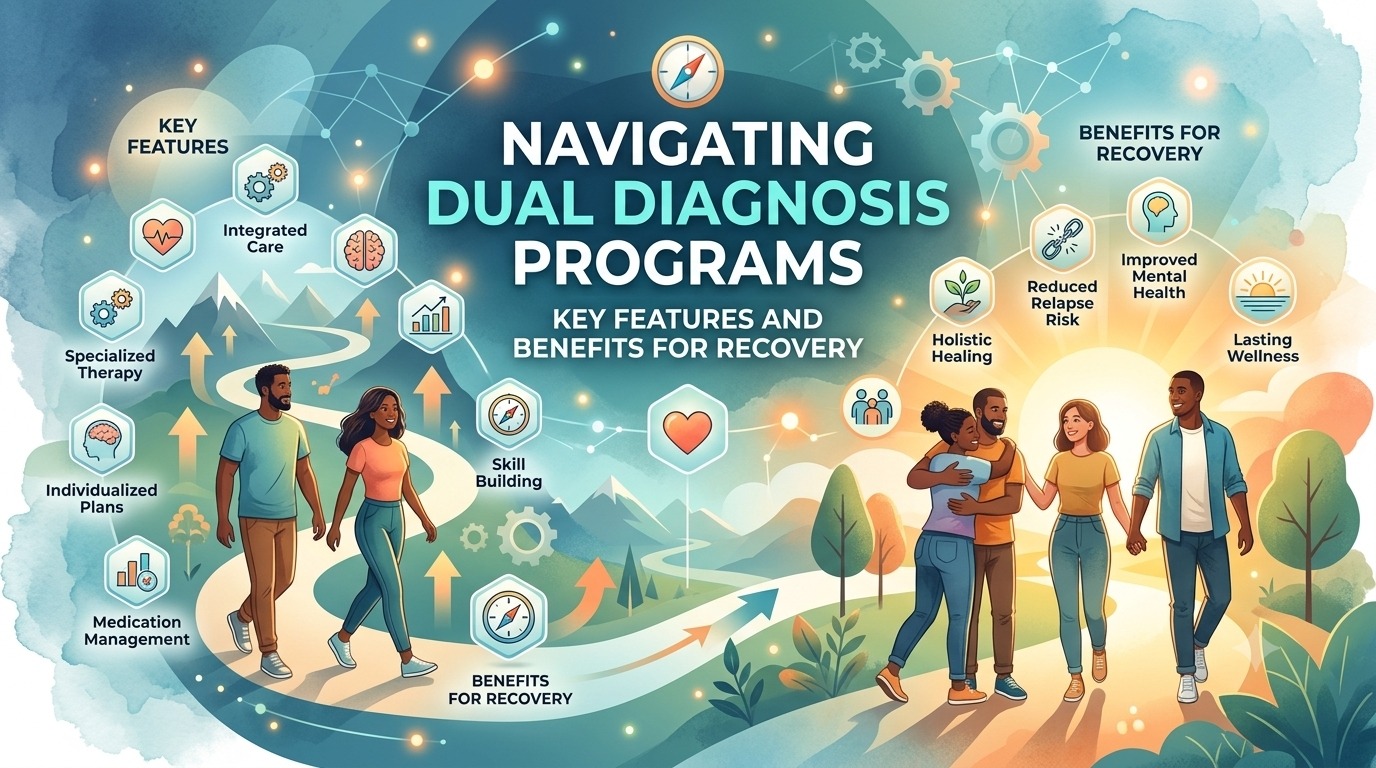
- Dual-diagnosis care when depression or anxiety is present
- Family involvement to rebuild trust and communication
- A structured daily routine during early recovery
- Long-term aftercare planning to prevent relapse
Get Meth Addiction Treatment Support Today
Florida Atlantic Coast Treatment Solutions (FACTS) understands how quickly methamphetamine addiction can take over a person’s life, and how frightening those changes can feel for the people who love them. Our Melbourne, Florida team builds individualized treatment plans grounded in evidence-based care.
We offer a full continuum of support, including addiction treatment programs, mental health residential treatment, an intensive outpatient program, outpatient treatment programs, and 12-step recovery support at every stage.
What makes our approach different:
- Clinical team experienced in stimulant use disorder treatment
- Dual-diagnosis care for co-occurring mental health conditions
- A resort-like setting designed for genuine physical recovery
- Family involvement built directly into the treatment process
- Individualized care instead of a one-size-fits-all program
If methamphetamine addiction has taken hold of your life or a loved one’s, you don’t have to face it alone. Call Florida Atlantic Coast Treatment Solutions or visit our contact page to take the next step.
FAQs
What are the main symptoms of methamphetamine addiction?
Common symptoms of methamphetamine addiction include rapid weight loss, severe tooth decay, skin sores from repetitive picking, prolonged insomnia, intense cravings, paranoia, mood swings, and declining personal hygiene. As use continues, these symptoms often worsen, affecting physical health, relationships, work performance, and emotional stability.
What is the ICD-10 code for methamphetamine addiction?
Methamphetamine addiction is classified under the ICD-10 category F15, which covers stimulant-related disorders. Codes such as F15.10 indicate mild stimulant use disorder, while F15.20 represents moderate to severe dependence. A licensed healthcare professional determines the appropriate diagnosis based on clinical assessment.
What are physical signs of meth addiction?
Physical signs commonly include dramatic weight loss, severe dental decay known as “meth mouth,” skin sores from compulsive picking, dilated pupils, rapid heart rate, excessive sweating, tremors, and prolonged periods without sleep. These symptoms often become more noticeable with continued, heavy methamphetamine use.
What are behavioral symptoms of methamphetamine addiction?
Behavioral symptoms include extreme mood swings, hyperactivity, impulsive decision-making, paranoia, hallucinations, aggression, social withdrawal, neglect of responsibilities, and repeated drug-seeking behaviors. Many individuals also experience intense emotional crashes after periods of heavy use, making everyday functioning increasingly difficult over time.
What does methamphetamine addiction treatment usually involve?
Treatment typically combines cognitive behavioral therapy, contingency management, individual counseling, group therapy, relapse prevention planning, and treatment for co-occurring mental health conditions. Depending on symptom severity, care may include outpatient services, residential treatment, or structured recovery programs tailored to individual needs.
Is there medication for methamphetamine addiction treatment?
Currently, there is no FDA-approved medication specifically designed to treat methamphetamine addiction. Instead, behavioral therapies remain the most effective evidence-based approach, often combined with mental health treatment, recovery support services, and medical care to address withdrawal symptoms and long-term recovery needs.
What are meth withdrawal symptoms like?
Methamphetamine withdrawal commonly causes extreme fatigue, increased sleep, depression, irritability, anxiety, slowed thinking, increased appetite, and powerful drug cravings. Although physical symptoms often improve within days, emotional symptoms and cravings may continue for several weeks before gradually becoming more manageable.
How is methamphetamine addiction managed long term?
Long-term recovery focuses on ongoing therapy, peer support, relapse prevention strategies, healthy routines, and treatment of co-occurring mental health conditions. Building stable relationships, improving sleep and nutrition, and learning healthier coping skills all play important roles in maintaining lasting recovery over time.
What does effective treatment of methamphetamine addiction look like?
Effective treatment combines evidence-based behavioral therapies, comprehensive mental health care, family involvement when appropriate, structured relapse prevention planning, and ongoing recovery support. Individualized treatment plans address both addiction and any underlying psychological conditions to improve long-term recovery and overall quality of life.
Can methamphetamine addiction cause psychosis?
Yes. Heavy or prolonged methamphetamine use can trigger psychosis, including hallucinations, paranoia, delusions, and severe confusion. While symptoms sometimes improve after stopping meth, some individuals require professional psychiatric treatment to safely manage persistent or severe psychotic episodes during recovery.
How long does methamphetamine addiction recovery take?
Recovery varies for every individual, but many people experience noticeable improvements in mood, sleep, and daily functioning within the first few months of consistent treatment. Long-term recovery often continues for a year or longer as healthy routines and coping skills become firmly established.
Where can I get help for methamphetamine addiction in Florida?
Florida Atlantic Coast Treatment Solutions provides evidence-based treatment for methamphetamine addiction and co-occurring mental health conditions in Melbourne, Florida. Call (844) 643-2287 to schedule a confidential assessment, verify your insurance benefits, and learn about personalized detox, residential, and outpatient treatment options.
References
- National Institute on Drug Abuse: Methamphetamine
- CDC: Stimulant Use and Overdose
- SAMHSA: Methamphetamine Addiction Treatment
- Cleveland Clinic: Methamphetamine Use Disorder
- Mayo Clinic: Drug Addiction
- World Health Organization: ICD-10 Classification
- American Society of Addiction Medicine: Stimulant Use Disorder
- Florida Atlantic Coast Treatment Solutions: Addiction Treatment Programs
Medical Disclaimer: This article is for informational purposes only and is not a substitute for professional medical or mental health advice; please consult a qualified provider or contact Florida Atlantic Coast Treatment Solutions for personalized guidance.