How long does it take for emotional blunting to wear off from antidepressants? Well, for some it does, sort of! A possible side effect of some antidepressant medications is emotional numbness. Others might feel these do a pretty good job of dampening down their negative mood messages, which can make it a little harder to feel happy, excited, sad, and especially empathetic. Understanding the causes, treatment, and when to seek professional help for emotional blunting can help bring things back into balance when considering if “antidepressant mediocrity” will ever come to an end.
We know that mental health treatment solutions should make life better for you; it should not leave you feeling disassociated from it at Florida Atlantic Coast Treatment Solutions. We have a compassionate staff who assist people in identifying efficient and personalized treatment options to help them achieve emotional wellness in addition to long-lasting recovery.
People often wonder, “Does antidepressant-induced emotional blunting wear off?” Based on research and clinical experience, emotional blunting tends to get better with medication adjustment (maintain a therapeutic level but reduce the dosage with medical supervision), changing from one antidepressant to another, and/or as the patient adjusts to the antidepressant over time. Don’t discontinue antidepressant medication without consulting your health professional. Inviting professional evaluation may be the best way to determine the safest course of action if emotional numbness has an impact on your relationships, work, or everyday life.
Key Takeaways
- Some antidepressant medications are known to have the side effect of emotional dulling, particularly SSRI or SNRI antidepressants.
- Emotional blunting with antidepressants tends to decrease with changes in medications.
- One should never withdraw from antidepressant drugs without medical supervision.
- Symptoms can often be improved by therapy, healthy lifestyle habits and/or reviews of medication.
- The best possible chance for emotional recovery is through personalized treatment.
What is Emotional Blunting?
Emotional blunting is a lack of emotion or a feeling of “flatness. As opposed to the typical reactions that come from a “normal” range of emotions, you will also see:
- Feeling emotionally numb
- Loss of pleasure/excitement
- Difficulty crying
- Not feeling as compassionate for other people
- Reduced motivation
- Feeling apart from key elements of life.
- Some people refer to it as living life “in black and white” as opposed to living in full color.
- Depression makes some people feel emotionally numb, and the drugs also can have this effect.
Why Does Emotional Blunting Happen?
The cause of emotional blunting has not been completely understood. A major theory is that antidepressants boost serotonin levels, helping to lift depression, which can also help to dampen emotional reactions for some individuals.
The principal drugs linked to a reduction in emotions are:
Selective Serotonin Reuptake Inhibitors (SSRIs)
Serotonin-Norepinephrine Reuptake Inhibitors (SNRIs) are a type of antidepressant that also helps alleviate anxiety.
Not all persons have this side effect, or if they do, it may be mild or severe in some individuals.
If you or someone you love is experiencing emotional numbness, Florida Atlantic Coast Treatment Solutions is here to help with compassionate, evidence-based mental health care tailored to your needs.
Does Emotional Blunting From Antidepressants Go Away?
Yes. For many people, emotional blunting from antidepressants go away after appropriate treatment adjustments.
Progress can be made at:
- You get used to the drug
- Your doctor adjusts the dosage
- You alternate your medications with different antidepressants.
- Depression symptoms improve
Therapy constructs and Congress Emotions
Recovery timelines differ. Some people see improvement in a few weeks; others take a couple of months to make the necessary medication changes and therapy.
The most important thing to remember is to talk with your health care provider about symptoms, not stopping medications yourself.
Signs That Emotional Blunting May Be Medication-Related
Sometimes it is not easy to distinguish between the effects of medication and symptoms of depression.
Possible signs include:
- Emotional changes with the use of antidepressants.
- Symptoms of depression have reduced; however, there has been no change in mood (i.e. it remains “flat”).
- Previously enjoyable activities are no longer enjoyable.
- Changes in emotions are observed by friends or family.
- You have trouble feeling excited, sad or loving.
- A mental health expert can be helpful in finding out the cause.
Emotional blunting is a potential side effect of antidepressant medications.

How to Fix Emotional Blunting From Antidepressants
While there are no one-size-fits-all treatments, there are a few treatment options that can help.
Medication Review
Your health care professional might suggest:
- Lowering the dosage
- Switching medications
- Switching to a different antidepressant that works differently.
- When appropriate, adding another medicine
- Don’t change how often or the dosage of medicines without an adult’s advice.
Therapy
Working with a therapist can help you:
- Reconnect with emotions
- Improve emotional awareness
- Reduce depression symptoms
- Develop positive coping strategies
Evidence-based treatments, such as cognitive behavioral therapy (CBT) and mindful self-compassion (MSC), could be helpful.
Lifestyle Changes
Many healthy habits can aid in your emotional recovery.
These include:
- Regular physical activity
- Quality sleep
- Balanced nutrition
- Mindfulness exercises
- Social connection
- Stress management
These strategies are used best with professional treatment.
When Should You Talk to a Mental Health Professional?
If emotional blunting, do seek professional support:
- Lasts several weeks
- Affects relationships
- Interferes with work or school
- Causes problems each day
- It makes one think about why to discontinue medicines
Your provider will be able to assess your symptoms safely and make sure you get the best treatment.
A comprehensive approach to mental health at Florida Atlantic Coast Treatment Solutions.
Comprehensive Mental Health Care at Florida Atlantic Coast Treatment Solutions
Our knowledgeable clinicians offer individualized care and treatment, which can include:
- Psychiatric evaluations
- Medication management
- Individual therapy
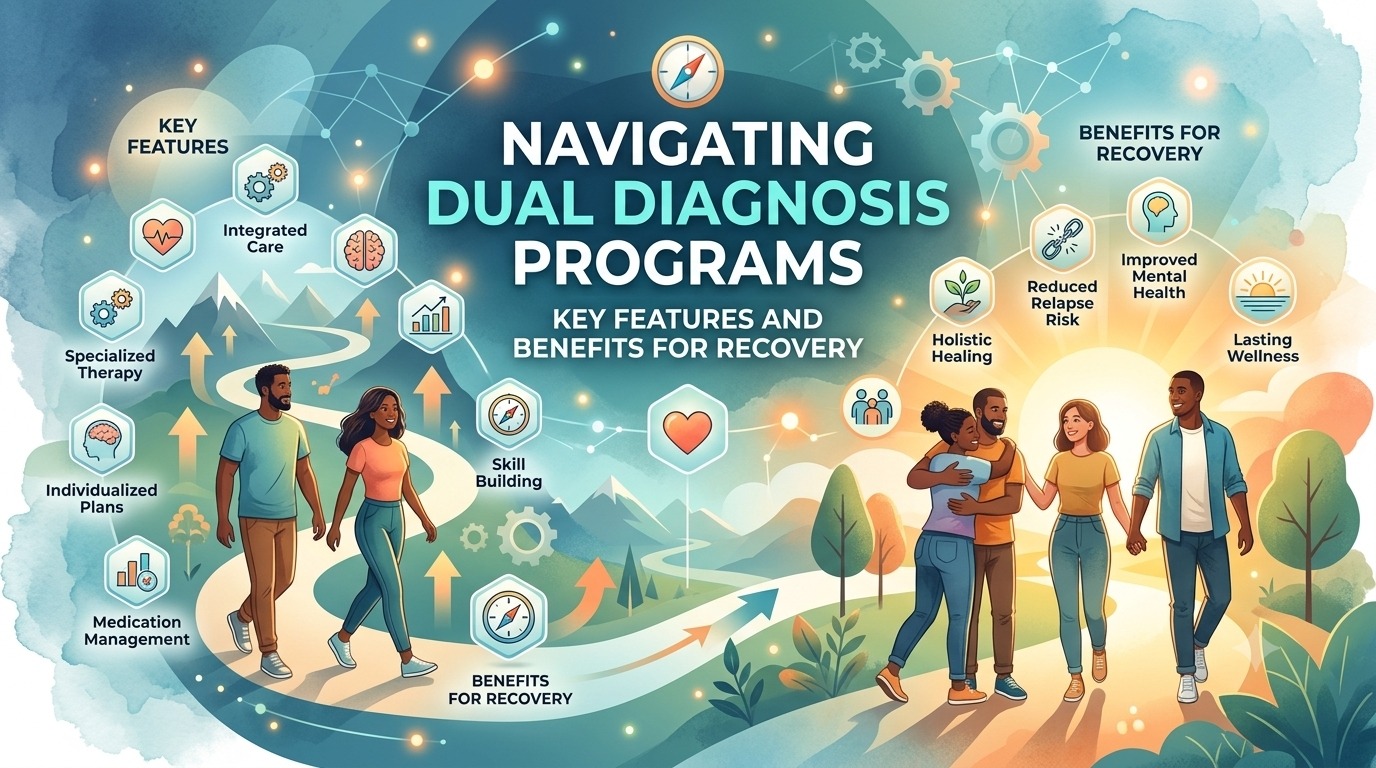
- Dual diagnosis treatment
- Depression treatment
- Anxiety treatment
- Ongoing emotional wellness support throughout the year
We closely collaborate with each patient to make sure treatment helps alleviate symptoms and promotes emotional well-being.
Take the First Step Toward Feeling Like Yourself Again
If you wonder whether emotional blunting due to antidepressants improves, then you don’t have to face it by yourself. Emotional numbness can be treated, and particular medications and therapy combinations help restore emotional equilibrium.
The mental health treatment solutions provided by Florida Atlantic Coast Treatment Solutions are compassionate, evidence-based treatments that are customized to your needs.
Reach out to our team today to schedule a confidential evaluation and find out about treatment options that will help you reconnect with your emotions and enhance your quality of life.
Frequently Asked Questions
How to fix emotional blunting from antidepressants?
Treatment may include adjusting the medication dose, switching antidepressants, adding therapy, improving sleep, exercising regularly, and practicing mindfulness. Always work with your healthcare provider before making medication changes to ensure safe and effective treatment.
How long does emotional blunting last on antidepressants?
The duration varies from person to person. Some people notice improvement within several weeks, while others require medication adjustments over a few months. A healthcare provider can evaluate whether the medication or another condition is responsible.
Which antidepressants cause the least emotional blunting?
Some studies suggest medications like bupropion may have a lower risk of emotional blunting than certain SSRIs. However, every person responds differently, so the best medication depends on individual symptoms, health history, and treatment goals.
Is emotional blunting real?
Yes. Emotional blunting is a recognized side effect reported by many people taking antidepressants. Healthcare providers acknowledge it as a genuine experience that may require medication review, therapy, or other personalized treatment strategies.
Why can’t I cry on my antidepressants?
Certain antidepressants may reduce the intensity of emotional responses, making it difficult to cry or feel strong emotions. This does not happen to everyone, but discussing these changes with your healthcare provider is important.
Can you reverse emotional blunting?
Yes. Many individuals regain normal emotional experiences after medication adjustments, switching antidepressants, participating in therapy, or allowing time for the body to adapt. Professional guidance is essential for safe treatment changes.
Which medicines cause emotional blunting?
SSRIs and SNRIs are the medications most commonly associated with emotional blunting. However, not everyone experiences this effect, and symptom severity varies depending on the individual and the specific medication prescribed.
Which antidepressant is best for energy and motivation?
The most appropriate antidepressant depends on your symptoms, medical history, and treatment response. Some medications may improve energy better than others, but your healthcare provider should determine the safest option for your individual needs.
What antidepressants have the worst side effects?
Every antidepressant carries potential side effects, and individual responses differ greatly. Rather than focusing on the “worst” medication, healthcare providers choose treatments based on balancing benefits, risks, and each person’s unique medical history.
Conclusion
For many individuals, emotional blunting from antidepressants go away with proper treatment, medication adjustments, and ongoing mental health support. If you feel emotionally disconnected while taking antidepressants, don’t ignore your symptoms or stop medication abruptly. Instead, seek professional guidance to explore personalized solutions that help you feel emotionally present while continuing to manage depression or anxiety effectively.
Disclaimer
This article is intended for educational purposes only and should not replace professional medical advice, diagnosis, or treatment. Never start, stop, or adjust antidepressant medication without consulting a qualified healthcare provider. If you are experiencing worsening depression, suicidal thoughts, or a mental health crisis, seek immediate medical attention or contact emergency services.
References
- WebMD. Managing Emotional Blunting While Taking Antidepressants. https://www.webmd.com/depression/features/managing-emotional-blunting
- National Institute of Mental Health (NIMH). Depression. https://www.nimh.nih.gov/health/topics/depression
- American Psychiatric Association. Depression and Mental Health Resources. https://www.psychiatry.org/patients-families/depression