Meditation therapy is one of the most effective evidence-based methods of mental and physical health in the present-day hectic environment, where most people experience stress and anxiety as their natural state of being. This ancient form of practice can now be supported by modern science, and it is a natural gateway to better health, emotional stability, and well-being. Learning about meditation therapy and its different types, and the wide range of advantages it offers to individuals, can assist people in making their choices related to the use of this transformative practice in their health care.
What is Meditation Therapy?
Meditation therapy is a mind-body therapy that integrates conventional methods of meditation with treatment to the extent of healing, alleviating stress, and improving mental health in general. In contrast to casual meditation, therapeutic meditation may be provided by trained specialists, who in turn offer specific practices designed to address a particular health issue, mental condition, or personal development objective.
It is a treatment method that teaches the mind to gain focus and shift attention until the ultimate attainment of a mentally clear and emotionally calm condition. The mechanism of meditation therapy is that it trains a person to watch their thoughts and feelings without being judgmental, thereby creating distance between them and their responses. The practice assists in forming an alternative outlook to stressful circumstances and acquiring stress coping skills, self-awareness, and negative feelings.
Meditation has been heavily incorporated into mainstream health care in the therapeutic field, and most medical practitioners have started recommending it as an adjunctive therapy in several diseases. The studies of reputable organizations prove that regular meditation can lead to specific scientific changes in the brain structure and behavior, with special reference to the aspects related to attention, emotional control, and self-awareness.
How Meditation Therapy Works
The meditation therapy has several levels of operation, both in psychological and physiological processes. The stress response mechanism of the body slowly turns off when engaged in meditation, resulting in reduced stress hormone development, such as cortisol and adrenaline. At the same time, the parasympathetic nervous system gets activated and allows relaxation and renewal.
Brain imaging research indicates that regular meditation may cause an incremental level of gray matter density in the learning, memory, emotional regulation and empathy areas of the brain. This practice also enhances neural connections between the prefrontal cortex and other brain areas, which enhances the executive functioning and emotional regulation. These neurological variations will be translated into real-life improvements, such as the ability to make decisions more effectively or the inability to react emotionally as well.
The treatment process is usually conducted on a regular basis wherein they are taught different methods by the directives of a professional. Practitioners aid the clients in a goal-finding process, be it in the anxiety, sleep, trauma treatment, or wellness enhancement. With the structured approach, meditation will guarantee the long-term sustainability of mental health management.
If you’re struggling with stress, anxiety, or other mental health challenges, professional meditation therapy can provide the structured support you need.
Types of Meditation Therapy
Mindfulness-Based Meditation
Most treatment modalities are based on mindfulness meditation. The practice entails being mindful of the current state without any judgment, watching the thoughts, feelings and sensations come and go. MBSR and MBCT are both formalized approaches to mindfulness meditation, which integrate cognitive therapy methods with mindfulness meditation.
Such strategies are especially useful with people having chronic pain, depression, anxiety, and stress-related disorders. This practice also teaches members to become aware of automatic thinking patterns and emotional responses so as to allow more conscious responses to life challenges.
Concentration Meditation
Concentration meditation is the process of directing attention to one point of reference i.e. breathing, mantra, or visualization. The practice enhances the power of the mind to focus and not to be distracted. Transcendental Meditation (TM) is one of the most common types of this meditation, based on the use of individual mantras to reach a state of deep relaxation and transcendental consciousness.
This kind is particularly useful with people who have an attention disorder, a busy mind, or find focus. Exercise improves cognitive ability and clarity.
Movement-Based Meditation
Movement meditation entails a combination of physical movement practice with mindfulness. Such practices as Tai Chi, Qigong, and walking meditation combine movements with soft movements, mindful breathing and mindfulness. They are useful for those who struggle to be still or want to better themselves as well as enhance physical wellness as well as mental health.
Another movement-based therapy is yoga therapy, which is a combination of postures, breathing exercises, and meditation to solve certain health issues. The practice is holistic and is efficient in treating chronic pain, enhancing flexibility, and treating the symptoms of anxiety and depression.
Loving-Kindness Meditation
Metta meditation or loving-kindness meditation is aimed at the cultivation of compassion and positive feelings towards others and self-love. Practitioners strategically give all the good wishes and kind messages, beginning with them and then slowly to the loved ones, the benign persons, hardcore people and all creatures.
This habit works especially well with people experiencing the issues of self-criticism, anger, resentment, or relationship problems. Studies indicate that it is potentially able to boost positive feelings, empathy, and social bonding and decrease implicit bias and self-criticism.
Body Scan Meditation
Body scan meditation is whereby attention is carefully given to various body parts, including sensations being noticed without any attempt to modify them. The practice will improve an individual’s body awareness, recognize points of tension or pain, and bring on profound relaxation.
One such technique, which is closely related to winding down muscle, is progressive muscle relaxation, which involves body scanning in combination with deliberate muscle tension and release. The practices are effective in the management of chronic pain, insomnia, and the physical symptoms associated with stress.
Call Florida Atlantic Coast Treatment Solutions today to speak with an admissions specialist and learn how meditation and other therapies can support your healing journey.
Benefits of Meditation Therapy
Mental Health Benefits
Meditation treatment has immense mental health benefits, and studies have shown that there has been a significant decrease in anxiety, depression, and post-traumatic stress disorder symptoms. The daily practice has the advantage of stabilizing emotions and making them less reactive to the stressful events and enhancing the overall emotional stability.
The exercise has increased self-awareness, enabling one to be aware of unhealthy thought patterns and build more healthy ones. The enhanced concentration and attention lead to better attention networks of the brain. According to many practitioners, they have become more creative and have improved problem-solving skills and decision-making.
Practicing subsequent therapy also helps recover the addicts, in that it assists in controlling impulses better and offers constructive ways of coping with the cravings and triggers. The practice assists one to be more aware of automatic behavior and leave room to make works of choice.
Physical Health Benefits
The physical advantages of the meditation therapy are spread across the body. Regular workouts may make the blood pressure decrease, lessen chronic pain, make the immune system more efficient, and decrease the levels of inflammation. Research demonstrates meditation is able to enhance the health of the heart by minimizing the risk factors of cardiovascular disease.
With the regular practice of meditation, the level of sleep quality tends to increase considerably. Relaxation reaction mobilized when one is meditating can regulate the sleep-wake rhythm and minimize mental anguish, which mostly prevents people from sleeping. Most people claim that they fall asleep and get deeper, more restorative sleep.
Meditation therapy can also retard aging in cells by preserving telomeres, caps that preserve chromosomes. This has implications for potential increases in longevity and health-related conditions that are associated with age.
Cognitive Benefits
Meditation therapy also increases different cognitive abilities such as attention span, working memory, and cognitive flexibility. It is also common with practitioners who improve their academic or working performance on a regular basis owing to the enhanced ability to focus and clear thinking.
The practice can contribute to preventing age-related mental loss and the danger of dementia. The brain imaging studies demonstrate that long-term meditators have a superior brain structure and functionality when they grow older than non-meditators.
Who Can Benefit from Meditation Therapy?
Meditation therapy has a variety of advantages and applications. Patients with anxiety disorders, depression, chronic pain, insomnia, and stress-related conditions also show meaningful decreases in their symptoms. Meditation assists those during the addiction recovery phase to deal with the cravings and the relapse.
Meditation therapy helps high-stress professionals, medical personnel, and first responders to avoid burnout and have emotional strength to withstand stress. Students have better concentration and less anxiety with examinations. Meditation is also useful among older adults to cope with age-related challenges and cognitive functions.
Meditation therapy is a common therapeutic initiative that people with chronic medical conditions, such as cancer, heart disease, and autoimmune disorders, use as complementary therapy because they get relieved of the symptoms and side effects of the treatment, and their quality of life is enhanced.
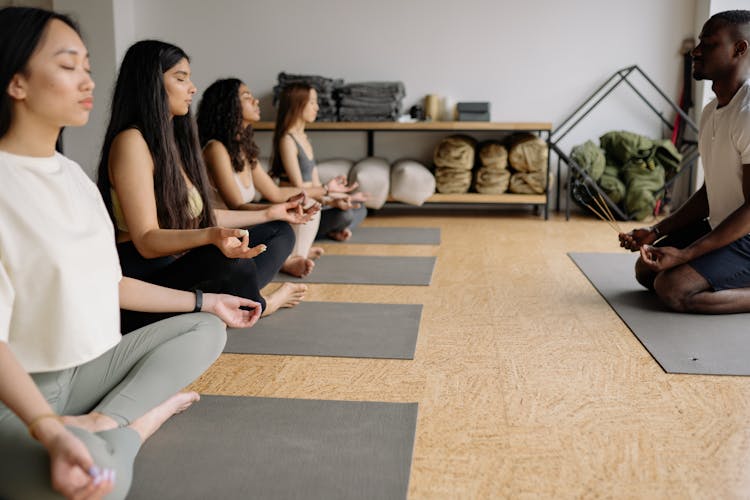
If you or a loved one is struggling and ready for a more holistic path to healing, we’re here to help.
Contact Florida Atlantic Coast Treatment Solutions today to speak with an admissions specialist.
Getting Started with Meditation Therapy
The process of launching meditation therapy needs the correct approach and competent guidance. Professional training ensures correct technique and also meets the needs and problems of individuals. Organizational structured programs are the gifts of many individuals, which provide systematic teachings and aid.
By making a routine habit of exercising, even for 10-15 minutes a day, one sets the stage to receive the ultimate rewards. The point is the consistency over the period of time, particularly at the start. Locating a relaxing and quiet environment that does not distract one contributes to effective practice.
When you are willing to enjoy the transformational value of meditation therapy, having a professional coach would help you move faster and apply methods that can best fit your requirements. Florida Atlantic Coast Treatment Solutions is an intervention providing evidence-based meditation therapy as part of comprehensive interventions to enable clients to establish sustainable wellness practices.
We have knowledgeable therapists who will take you through different meditation styles according to your objectives and problems. Just like the stress reduction, addiction recovery, and general enhancement of mental health, Florida Atlantic Coast Treatment Solutions is the provider of professional assistance and the organized setting that will make meditation therapy effective. We will be happy to welcome you and tell you how meditation therapy can become one of the potent tools that will help you achieve the desired lasting wellness and recovery.
🧘 Meditation and Therapy FAQs
What is the 5-4-3-2-1 meditation technique?
It’s a common grounding exercise used to interrupt anxiety or panic by focusing your attention on the present moment using your five senses. You identify:
- 5 things you can see
- 4 things you can touch
- 3 things you can hear
- 2 things you can smell
- 1 thing you can taste
What are the 7 steps of meditation?
While approaches vary, a common framework for basic mindfulness meditation involves:
- Setting an intention (or not).
- Finding a stable posture.
- Settling in and taking a few deep breaths.
- Choosing an anchor (e.g., the breath).
- Focusing on the anchor.
- Noticing mind-wandering without judgment.
- Gently redirecting attention back to the anchor.
Is EMDR a form of meditation?
No, EMDR (Eye Movement Desensitization and Reprocessing) is a distinct form of psychotherapy, specifically a structured, evidence-based treatment for trauma and PTSD. While both require focus, meditation is a practice for cultivating awareness, and EMDR uses bilateral stimulation to help the brain reprocess traumatic memories.
What is the difference between MBT and CBT?
CBT (Cognitive Behavioral Therapy) is a form of therapy that focuses on changing distorted thoughts and behaviors to improve mood and emotional regulation.
MBT (Mindfulness-Based Therapy), such as MBSR (Reduction) or MBCT (Cognitive Therapy), uses meditation and mindfulness practices to help individuals non-judgmentally observe their thoughts and feelings, rather than trying to change them directly. They are often complementary.
What is the #1 worst habit for anxiety?
The #1 worst habit for anxiety is often considered to be Avoidance. While it provides temporary relief, it prevents you from learning that the feared situation is safe, which ultimately reinforces and strengthens the anxiety cycle.
What are the 4 R’s of meditation?
The “4 R’s” are often used as a simple guide for what to do when your mind wanders during meditation:
- Recognize that your mind has wandered.
- Release (the thought or distraction).
- Relax (into the present moment).
- Return your attention to your anchor, like your breath.
Would you like me to elaborate on the principles of Avoidance and how it impacts the anxiety cycle?