The fact that you no longer deal with anxiety as a thing and now it is your entire day may indicate that you are now at the point where outpatient treatment is not enough and that fact does not mean that you have failed. It is an indication that you should get better treatment.
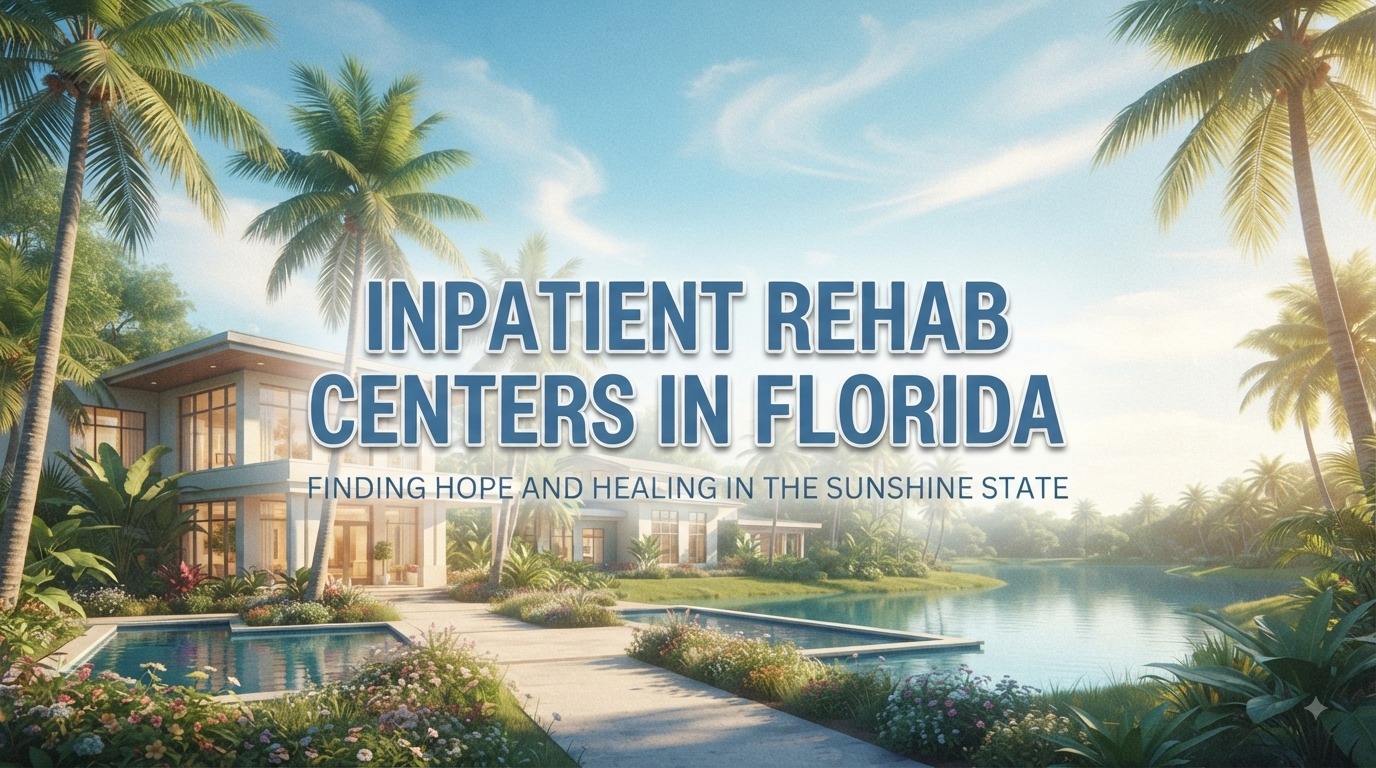
Inpatient anxiety treatment provides 24-hour structured treatment to individuals whose anxiety is extremely disturbing to everyday functioning or safety. In Florida, there are a number of inpatient and residential centers that provide this tier of care, such as choices in South, Central and Southeast Florida. The therapy typically involves daily therapy, medication management, and a secure and conducive environment that would seek to stabilize the acutely anxious patient before the patient is transferred to the next level of care.
Severe anxiety may be draining in a manner that is difficult to explain to one who has never gone through it. Even such simple daily tasks can appear impossible because of racing thoughts, physical symptoms, and a constant feeling of dread, exactly what inpatient care is designed to assist.
This guide breaks down what inpatient anxiety treatment actually involves, what to expect during a stay, and where families throughout Florida can turn for real support.
What Is Inpatient Anxiety Treatment Like?
Inpatient anxiety treatment involves living at a treatment facility full-time to receive round-the-clock therapeutic and medical support for severe or unmanageable anxiety.
A typical inpatient stay includes:
- 24-hour clinical supervision and support
- Daily individual and group therapy sessions
- Medication management overseen by psychiatric providers
- Structured daily routines, meals, and activities
- A calm, distraction-free environment designed to reduce overstimulation
Wondering if inpatient care is the right next step for you or a loved one?.
Inpatient Treatment for Mental Health
Inpatient treatment for mental health is intensive, residential care for individuals whose psychological symptoms require constant support and supervision to stabilize safely.
This level of care is often recommended for:
- Severe generalized anxiety disorder
- Panic disorder with frequent, disabling panic attacks
- Anxiety paired with co-occurring depression or substance use
- Cases where outpatient treatment has not led to meaningful improvement
- Situations involving significant safety concerns
Inpatient care differs from a short psychiatric hospital stay in that it typically focuses on longer-term stabilization and skill-building, rather than crisis management alone.
Inpatient Anxiety Treatment Centers in Florida
Florida is home to several inpatient and residential facilities offering care for severe anxiety, and understanding the landscape can help families make a more informed decision.
- Florida Atlantic Coast Treatment Solutions (Melbourne): Offers residential mental health treatment in a calm, resort-style setting, addressing anxiety alongside co-occurring depression or substance use as part of one coordinated plan
- Hanley Center (West Palm Beach): Offers a dedicated residential mental health program for anxiety and other conditions, with inpatient stays generally lasting around 45 days
- Central Florida Behavioral Hospital (Orlando): A large inpatient psychiatric hospital with dedicated units for anxiety, depression, and co-occurring disorders
- Harmony Hills (Ocala, Central Florida): Offers residential treatment for the full spectrum of anxiety disorders, including panic and social anxiety
- FHE Health (South Florida): Provides residential mental health care addressing anxiety alongside depression and trauma
Research on anxiety disorder treatment notes that effective care requires anxiety and any co-occurring conditions, such as panic disorder or depression, to be addressed together by a unified care team rather than treated separately.
Fact: Anxiety disorders are among the most common mental health conditions in the United States.
Choosing Between Inpatient Anxiety Treatment Options
Choosing between inpatient anxiety treatment options often comes down to the type of care setting that best fits an individual’s needs, location, and severity of symptoms.
Facility Type | Best Fit For |
Acute psychiatric hospital | Immediate crisis stabilization |
Residential mental health program | Longer-term anxiety stabilization and skill-building |
Dual diagnosis residential care | Anxiety paired with substance use |
Hospital-based programs are often the right fit for acute psychiatric crises requiring immediate stabilization. For anxiety that has become unmanageable but does not require hospital-level crisis care, a residential program built around longer-term healing often provides a gentler, more sustainable path forward.
Trying to figure out which level of care makes sense for your situation? FACTS Recovery can help you sort through the options.
When Is Inpatient Treatment Necessary for Anxiety?
Inpatient treatment becomes necessary for anxiety when symptoms significantly disrupt daily functioning, safety, or the ability to manage basic responsibilities.
Signs it may be time to consider inpatient care include:
- Panic attacks that are frequent, disabling, or unpredictable
- Inability to work, attend school, or maintain daily routines due to anxiety
- Anxiety paired with substance use as a coping mechanism
- Previous outpatient treatment that has not led to improvement
- Persistent physical symptoms, like chest tightness or insomnia, tied to anxiety
- Thoughts of self-harm connected to overwhelming anxiety
Expert Advice: Anxiety and any co-occurring conditions should be treated together by the same care team.

Anxiety and Panic Disorder Treatment
Anxiety and panic disorder treatment in an inpatient setting typically combines therapy, medication management, and structured daily support tailored to the specific type of anxiety involved.
Common components of treatment include:
- Cognitive behavioral therapy: Addressing the thought patterns that fuel anxiety and panic
- Exposure-based techniques: Gradually reducing avoidance behaviors tied to panic triggers
- Medication management: Psychiatric evaluation and adjustment as needed
- Group therapy: Peer support and shared coping strategies
- Family involvement: Education and support for loved ones navigating the recovery process alongside the individual
What To Expect During Residential Anxiety Treatment
What to expect during residential anxiety treatment generally follows a structured daily rhythm designed to build stability and coping skills over time.
A typical day may include:
- Morning check-in: Assessing mood, sleep, and any overnight concerns
- Individual therapy: One-on-one sessions targeting personal triggers and goals
- Group therapy: Shared coping strategies and peer support
- Skill-building sessions: Techniques like grounding exercises and cognitive restructuring
- Evening reflection: Processing the day and preparing for continued progress
Length of stay varies based on individual needs, though many residential programs run for several weeks to allow enough time for meaningful stabilization.
Anxiety Treatment at FACTS Recovery in Melbourne, FL
Anxiety can build until it feels unmanageable, whether or not it’s reached a breaking point. FACTS Recovery offers evidence-based inpatient care in a peaceful, resort-style setting in Melbourne, Florida.
Care spans a full continuum, from residential mental health treatment to partial hospitalization to outpatient support, addressing anxiety alongside any co-occurring depression or substance use in one coordinated plan.
Reach out through our contact page to talk through what support could look like for you or your family.
FAQs
How long does inpatient anxiety treatment usually last?
The length of inpatient anxiety treatment varies based on symptom severity, treatment goals, and individual progress. Many residential programs last several weeks to approximately 45 days, with treatment teams regularly reassessing progress to determine the most appropriate length of stay for each person.
Is inpatient anxiety treatment covered by insurance?
Many private insurance plans provide coverage for inpatient anxiety treatment, although benefits vary by provider, policy, and medical necessity. Verifying insurance coverage before admission helps clarify expected costs, covered services, prior authorization requirements, and any potential out-of-pocket expenses.
What is the difference between inpatient and residential anxiety treatment?
Although the terms are sometimes used interchangeably, inpatient treatment often refers to short-term hospital-based stabilization, while residential treatment usually provides longer-term care in a structured, home-like environment. Both offer around-the-clock support, therapy, and comprehensive mental health services.
Can someone with both anxiety and substance use get treatment at the same facility?
Yes. Many treatment centers offer dual diagnosis programs that address anxiety disorders and substance use disorders simultaneously. Integrated care is generally more effective than treating each condition separately because both often influence one another throughout the recovery process.
What happens after inpatient anxiety treatment ends?
Following inpatient treatment, most individuals transition to a lower level of care, such as a partial hospitalization program, intensive outpatient program, or individual therapy. This structured follow-up helps reinforce coping skills, maintain progress, and reduce the likelihood of symptom recurrence.
Do inpatient anxiety programs work for panic disorder specifically?
Yes. Many inpatient and residential anxiety programs provide specialized treatment for panic disorder using evidence-based approaches such as cognitive behavioral therapy, exposure therapy, medication management, and coping skills training to reduce panic symptoms and improve long-term functioning.
Is inpatient treatment only for the most severe anxiety cases?
Not always. While severe anxiety may require inpatient care, some people choose residential treatment after outpatient therapy has not provided enough improvement. A comprehensive clinical assessment helps determine whether this higher level of care is appropriate for an individual’s needs.
Can family members be involved during inpatient anxiety treatment?
Yes. Many inpatient programs encourage family participation through therapy sessions, educational workshops, and scheduled visits. Involving loved ones can strengthen communication, improve understanding of anxiety disorders, and help build a supportive environment that continues after treatment ends.
What should someone bring to inpatient anxiety treatment?
Most facilities provide a recommended packing list that includes comfortable clothing, toiletries, prescribed medications, and approved personal items. For safety reasons, many programs restrict certain electronics, sharp objects, and other items, so reviewing the facility’s guidelines before admission is important.
How do I know if a facility is the right fit for anxiety treatment?
Choosing the right facility involves evaluating its treatment approach, staff qualifications, dual diagnosis services, accreditation, location, and overall environment. Speaking with admissions staff and asking detailed questions can help determine whether the program matches your clinical needs and recovery goals.
References
- Hanley Center – Anxiety Disorder Treatment
- Harmony Hills – Inpatient Anxiety Treatment
- Central Florida Behavioral Hospital – Inpatient Treatment
- FHE Health – Residential Mental Health Care
- National Institute of Mental Health – Anxiety Disorders
- Substance Abuse and Mental Health Services Administration
- American Psychiatric Association – Anxiety Disorders
- Anxiety and Depression Association of America
- Mayo Clinic – Anxiety Disorders
- FACTS Recovery
Disclaimer: This information is for educational purposes only and should not replace professional medical or psychological advice. If you or someone you know is in crisis, please contact 988 (Suicide and Crisis Lifeline) or seek immediate emergency care. For more information, visit FACTS Recovery.