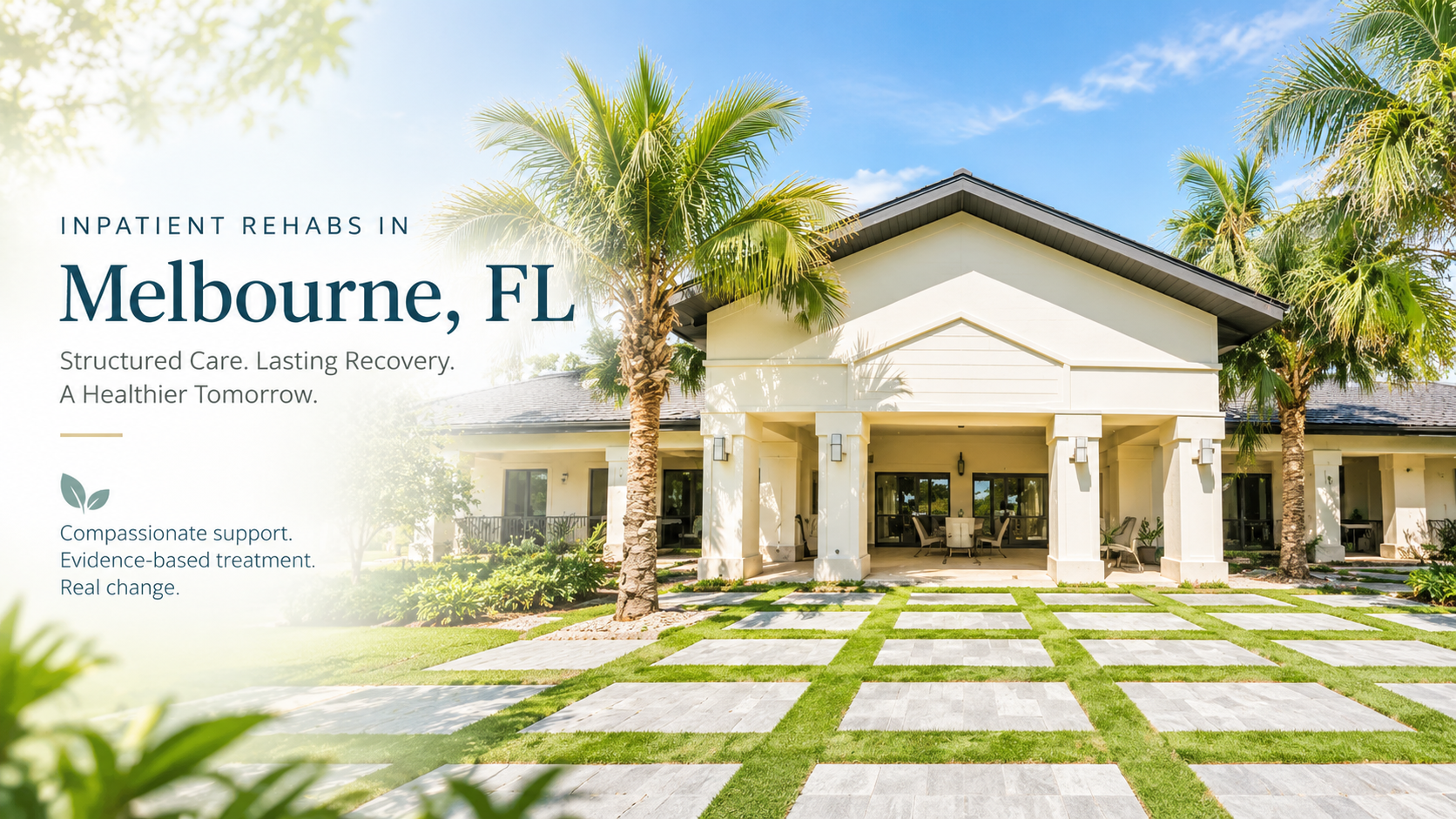
Quick Answer: The best Florida rehab centers for mental health and addiction treatment consistently provide personalized care for substance abuse, psychological conditions, and also co-occurring conditions. Inpatient and residential treatment programs are offered in Melbourne, Florida, through Florida Atlantic Coast Treatment Solutions, which offers evidence-based care and support for a lasting recovery.
The right treatment center should match the individual’s clinical needs, level of care, diagnosis, substance use history, support system, and recovery goals. Mental health and addiction treatment facilities can provide mental health detox, residential/rehab, partial hospitalization programs, intensive outpatient treatment, outpatient mental health care, mental health therapy, medication, and aftercare.
It can be a daunting task to seek treatment for addiction or a mental health disorder. There are numerous treatment providers in Florida, but sometimes more options don’t necessarily simplify the selection process. Recovery.com provides the names of over a thousand treatment facilities in the state, such as detox, which offers detoxification treatment; residential, which offers treatment with an intensive residential program; outpatient which offers outpatient treatment; and dual diagnosis, which offers dual diagnosis treatment.
When someone is considering mental health and addiction treatment providers in Florida, it’s not just about which one’s closest or most popular. It is if the program provides the appropriate level of care to the person.
Florida Atlantic Coast Treatment Solutions offers individualized addiction and mental health treatment in Melbourne, Florida, and offers residential care programs based on the unique needs of individuals.
Key Takeaways
- Mental health and addiction treatment facilities in Florida offer various levels of treatment ranging from outpatient counseling services to residential treatment.
- Dual diagnosis treatment can target the issue with substance abuse alongside mental health disorders.
- Treatment will be for a period of time according to clinical requirements, progress, safety, and level of care.
- Check with licensed, qualified providers and check the facility information with the Florida sources.
- Florida Atlantic Coast Treatment Solutions offers patient-centered assistance in Melbourne, Florida, as both an inpatient and residential facility.
- The correct treatment program has to be certain to provide immediate things needed and long-term recovery.
Top 7 Mental Health and Addiction Treatment Centers in Florida to Consider
Here, we have listed the top 7 mental health and addiction treatment centers in Florida.
The items listed below are a convenient short list and are not necessarily the statewide top choices. The first 5 are the Florida providers requested for comparison. All information was gathered and verified using Recovery.com as a general content resource, and verification of information from providers was compared to data collection from providers themselves and available government data.
Treatment Center | Location | What It Offers |
1. Florida Atlantic Coast Treatment Solutions (FACTS Recovery) | Melbourne, FL | Inpatient and residential addiction and mental health treatment, individualized care, and support for co-occurring conditions. FACTS Recovery operates a 30-bed residential facility. |
2. Orlando Treatment Solutions | Oviedo/Orlando area, FL | Dual-diagnosis treatment, addiction care, mental health programs, PHP, IOP, outpatient services, therapy, and residential mental health treatment. |
3. Palm Coast Treatment Solutions | Palm Coast, FL | PHP, IOP, outpatient care, medication management, counseling, recovery support, and treatment for substance use and co-occurring mental health concerns. |
4. DeLand Treatment Solutions | DeLand, FL | Residential treatment, PHP, IOP, dual-diagnosis care, CBT, DBT, family therapy, MAT, and mental health treatment. |
5. Solutions Healthcare | Port St. Lucie, FL | A Florida behavioral health network supporting addiction and mental health recovery through individualized programs and affiliated treatment centers. |
6. FHE Health | Deerfield Beach, FL | Medical detox, residential care, PHP, IOP, mental health treatment, addiction treatment, psychiatric services, and co-occurring disorder care. |
7. Recovery First Treatment Center | Hollywood, FL | Inpatient alcohol and drug rehabilitation, detox, outpatient care, and treatment for addiction with co-occurring mental health concerns. |
Why Florida Atlantic Coast Treatment Solutions May Be a Good Fit
Florida Atlantic Coast Treatment Solutions is committed to individual drug addiction and mental health treatment solutions. It offers residential treatment at their Melbourne location, which offers a smaller environment for customers to remove themselves from day-to-day triggers and focus on their recovery.
An integrated program can be particularly helpful for individuals seeking mental health and addiction treatment centers in Florida, where mental health symptoms and substance abuse often overlap.
What Symptoms May Indicate a Need for Treatment?
Each person and substance can cause different symptoms related to mental health disorders. Some of the typical signs are a constant state of anxiety or depression, mood swings, isolation from others, work or school problems, trouble sleeping, a loss of interest in normal activities and trouble handling daily activities.
In the case of addiction, indicators may be using more than planned, failed attempts to quit, craving, continued use despite the repercussions, risky behavior, tolerance and withdrawal.
Mental health issues and substance abuse may co-occur. The connection between the two is complicated in NIMH’s understanding, each one raising the susceptibility towards the other.
What Causes Mental Health and Addiction Problems?
Most often, there is not a straight-cut answer. These factors can be genetic, brain chemistry, trauma, chronic stress, family history, environment, social circumstances, or addictive substances that were encountered.
Booze or drugs may be employed by some to cope with anxiety, depression, trauma or emotional distress. As the use of drugs and alcohol continues over time, they can cause other mental and physical health issues.
Hence, mental health and addiction treatment must go beyond the drug itself. Knowing the causes of the behavior can be helpful to the clinician in establishing a more helpful treatment plan.

How Are Mental Health and Addiction Problems Diagnosed?
Typically, diagnosis begins with a comprehensive evaluation. Symptoms, substance abuse history, medical history, medications, family history, emotional condition, behavior patterns, and living conditions can be assessed by a clinician.
Symptoms of mental health issues can mimic substance use issues, and proper evaluation is important. When treating co-occurring disorders, accurate diagnosis becomes more important because the same symptoms may overlap, making it more difficult to diagnose the underlying disorders, NIMH says.
In addition, Florida consumers have access to the state’s official facility locator, FloridaHealthFinder, to check on facility information for licensed facilities.
What Treatment Do Mental Health and Addiction Treatment Centers Provide?
Treatment will be based on the needs of the individual. Florida mental health and addiction treatment facilities may offer a couple of degrees of treatment.
Detox and Residential Treatment
Medical detox can be used to control withdrawal if medical care is required. Residential treatment offers a safe setting for clients to focus on recovery without distractions or temptations so often found in everyday life.
PHP and IOP
Partial hospitalizations offer high levels of treatment during the day and more freedom than living in a facility. Whether it’s structured treatment and support or not, intensive outpatient programs allow the individual to receive treatment and support at an outpatient center while maintaining their quality of life outside of it.
Therapy and Counseling
Individual, group, or family therapy, CBT, DBT, motivational methods; trauma-focused or relapse prevention therapies may be used as part of treatment.
Medication Management
Medications may be a vital part of treatment in certain conditions. Some drugs can be used in alcohol or opioid use disorders treatment and psychiatric drugs may be indicated to deal with mental health symptoms. According to NIMH, treatment for co-occurring diseases can include the use of behavioral therapy, medication and care management.
Aftercare and Recovery Support
When a residential program concludes, recovery doesn’t necessarily stop. Sober living, alumni programs, relapse-prevention planning, support groups, continuing therapy, and medication management can keep people on track.
Get Help for Alcohol Withdrawal Today
What Does Scientific Research Say About Integrated Treatment?
There is research to support treating both mental health and substance use disorders simultaneously and not ignoring one disorder while treating the other. According to NIMH, integrated care means bringing mental health and substance use treatment together to provide treatment patients can receive in a coordinated fashion.
This may involve the use of evidence-based practices such as behavior therapy, medications, family interventions, care management, and others. The aim is not to just prevent drug taking for a few weeks but to tackle influences that might help maintain symptoms or could cause patients to fall back into substance use.
Are There Side Effects or Risks of Treatment?
The treatment can be a challenge in itself. Medications can have side effects, therapy can elicit unpleasant emotional responses, and withdrawal from certain substances can be medically serious. This is why it’s best to seek guidance from qualified professionals when it comes to treatment.
Risks for untreated addiction or for serious mental illness may also be great. Through a personalized evaluation, it can be determined if outpatient care, residential care, detox, or anything else is needed.
A good guideline rule: When it comes to treatment, don’t select it based on guaranteed results. Select care based on clinical fit, safety, credentials, services and individual needs.
Prevention and Recovery Tips
Prevention is not “all-or-nothing. It’s about identifying issues early and developing healthier patterns to deal with stress.
- If symptoms do not resolve or become more severe, seek professional help.
- Don’t use drugs or alcohol to deal with emotional upset or feelings.
- Create a strong network of support.
- Take medication and treatments as specified.
- Attend therapy sessions regularly and follow-up sessions.
- Know what causes a person to use drugs or feel emotional distress.
- Always develop a plan to avoid a possible relapse before leaving intensive treatment.
Proactively seek assistance; do not wait for a crisis.
SAMHSA operates FindTreatment.gov, a secure and confidential way to find providers for mental health and substance use treatment in the United States.
How Should You Compare Treatment Centers?
As you compare mental health and addiction treatment facilities in Florida, you should take into account factors like licensing, levels of care, clinical services and treatments, treatment philosophy, insurance provisions, location, aftercare, and if the program supports the treatment of co-occurring conditions.
Conclusion
When selecting between mental health and addiction treatment centers in Florida, it’s important to make a crucial decision, whether on behalf of yourself or a loved one. Not always is the largest plant or the one that provides the most public areas the best option. It is the program that fits the person’s clinical needs and offers suitable and caring care.
Florida Atlantic Coast Treatment Solutions provides inpatient drug treatment in Melbourne, FL for those requiring a structured treatment program as well as addiction and mental health care that is unique to each individual’s situation.
Initiating the first step doesn’t require that you be prepared to make all the things happen. It really just means asking for assistance.
Medical Disclaimer: This article is for educational purposes only and does not replace medical, psychiatric, or professional advice. Treatment needs vary from person to person. If you or someone you know is experiencing a mental health or substance use emergency, seek immediate professional or emergency assistance.
Call us today and talk with a treatment specialist and start living a healthier alcohol-free life.
Frequently Asked Questions
What are the best inpatient mental health facilities in Florida?
The best inpatient facility depends on clinical needs, diagnosis, safety, treatment goals, and available services. Florida has many licensed providers, so patients should compare accreditation, staff qualifications, treatment levels, and whether co-occurring conditions are treated.
How long are inpatient programs?
Inpatient treatment does not have one fixed duration. Some programs are short-term, while others last several weeks or longer. Length is generally determined by clinical assessment, progress, safety, diagnosis, substance use history, and continuing-care needs.
Does Florida have free mental health services?
Florida has public and community-based mental health resources, and eligibility varies by program and location. Medicaid beneficiaries may access behavioral health services through managed-care networks. SAMHSA also provides treatment-finding resources for mental health and substance use concerns.
Who are inpatient programs for?
Inpatient programs are generally designed for people who need a structured, supervised setting because of significant substance use, withdrawal risk, mental health symptoms, safety concerns, or difficulty functioning in less intensive treatment environments.
What is the new mental health law in Florida?
Florida’s Mental Health Act, commonly called the Baker Act, governs certain crisis and involuntary examination procedures. It allows involuntary examination when statutory criteria involving mental illness and potential substantial harm are met.
What is the three-month rule in the Mental Health Act?
There is no universal Florida Baker Act rule that automatically requires every person to remain in treatment for three months. Inpatient placement and treatment duration depend on legal requirements, clinical circumstances, and the applicable level of care.
What is the 60% rule in inpatient rehab?
There is no general Florida rule requiring every inpatient rehabilitation patient to complete exactly 60% of treatment. Length of stay is individualized and may depend on clinical progress, insurance authorization, treatment needs, and discharge planning.
How long can you stay in inpatient mental health treatment?
There is no single maximum stay that applies to every inpatient mental health patient. Duration depends on the type of facility, diagnosis, clinical needs, legal status, progress, and whether continued inpatient treatment remains medically appropriate.
How do you qualify for inpatient rehab?
Qualification usually involves an assessment of substance use severity, withdrawal risk, mental health needs, medical concerns, safety, and ability to function outside a structured setting. A qualified treatment professional can determine whether inpatient care is appropriate.
Content Sources and References
- Recovery.com, Drug & Alcohol Rehabs in Florida for statewide treatment-market reference and general provider information.
- National Institute of Mental Health, Finding Help for Co-Occurring Substance Use and Mental Disorders.
- Substance Abuse and Mental Health Services Administration, Treatment Locators.
- Florida Agency for Health Care Administration, FloridaHealthFinder Facility Locato