In This Blog
- The Dual Nature of Digital Connectivity
- Understanding the “Highlight Reel” and Social Comparison
- The Dopamine Loop: How Algorithms Drive Compulsive Use
- Identifying Negative Impacts: Anxiety, Depression, and FOMO
- The Rise of Cyberbullying and Digital Isolation
- When to Seek Professional Oversight for Digital Wellness
- Therapeutic Strategies in a Structured Treatment Environment
- Restoring Balance: Taking the First Step Toward Recovery
Social media is a new reality that cannot be avoided in the contemporary world. Even though these sites were built to encourage interconnection and community, increased numbers of social media users are asking themselves these questions: How can social media impact mental health? The fact is that as much as digital spaces may bring support and information, they also contain dire psychological dangers that may aggravate the underlying mental health issues.
Since there is constant pressure to ensure a perfect online image and due to the addiction of infinite scrolling, social media may dramatically change brain chemistry and self-perception. To those who already have anxiety, depression, or substance use disorders, the online environment tends to become a trigger to further misery. The digital life has a psychological burden, which is real, and someone needs to be professionally guided to manage it.
It is not just a matter of unplugging when it comes to dealing with the effects of social media. It must be provided in a special treatment environment, wherein, people can work on the relationship with technology and deal with the background aspects of what makes them become dependent on technology.
Expert Advice: Gradually tapering digital consumption and setting strict boundaries can reduce the severity of “rebound” anxiety and improve sleep hygiene.
The Psychological Mechanism: The “Dopamine Loop”
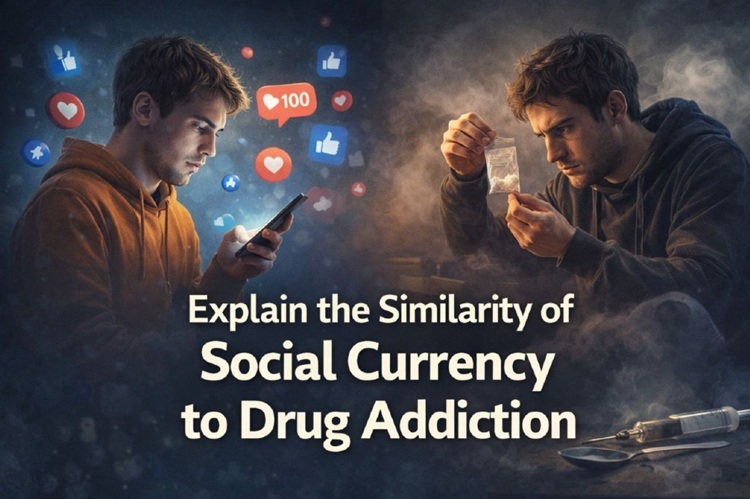
Social media platforms are engineered to be habit-forming. Every “like,” comment, or notification triggers a release of dopamine, the brain’s reward chemical. This creates a feedback loop similar to the mechanisms found in gambling or substance use.
Over time, the brain becomes desensitized to these hits, requiring more frequent interaction to achieve the same sense of satisfaction. In a structured care setting, clinicians help patients identify these behavioral patterns.
Identifying the Key Negative Impacts
The impact of social media on mental health is multifaceted. While it varies by individual, several core issues consistently emerge in clinical research.
Impact Area | Clinical Name/Term | Description |
Comparing one’s “behind-the-scenes” to someone else’s “highlight reel.” | ||
Anxiety | FOMO | “Fear Of Missing Out“, the persistent dread that others are having more rewarding experiences. |
Mood | Neglecting real-world connections and physical health for digital consumption. | |
Cognition | Reduced attention span and increased mental exhaustion from information overload. |
Florida Atlantic Coast Treatment Solutions provides the monitored setting necessary to decompress from these digital stressors and focus on genuine internal growth.
Digital Habits: Healthy vs. Harmful Use
Distinguishing between productive digital use and behavior that signals a need for recovery services is vital. This table outlines the differences in how we engage with digital platforms.
Feature | Healthy Digital Engagement | Harmful Digital Dependency |
Intent | Purposeful (checking for specific info). | Mindless (scrolling to numb emotions). |
Time Management | Sets boundaries and sticks to them. | Neglects hygiene, work, or sleep to stay online. |
Emotional State | Feels connected or informed afterward. | Feels drained, anxious, or “less than” others. |
Reaction to Absence | Mild annoyance or relief when offline. | Intense irritability or panic when without a phone. |
Social Connection | Supplements face-to-face relationships. | Replaces real-life intimacy with digital validation. |
Reclaim your mental peace today by calling Florida Atlantic Coast Treatment Solutions at for the professional oversight you deserve.
The Link Between Social Media and Co-Occurring Disorders
For those in recovery from substance use or other mental health disorders, social media can present unique challenges. “Triggers” are abundant online, from images of substance use to toxic social environments that foster cravings.
Risks for Vulnerable Individuals:
- Cyberbullying: Targeted harassment that can lead to severe depressive episodes.
- Echo Chambers: Surrounding oneself with content that reinforces negative self-talk or unhealthy behaviors.
- Escapism: Using digital platforms to avoid dealing with real-world trauma or emotional pain.
In a structured treatment environment, individuals are encouraged to curate their digital intake and develop a “relapse prevention” plan for their online life. This level of supervised support is vital for long-term stability.

The Role of a Structured Treatment Environment
When social media use contributes to a mental health crisis, a “digital detox” within a monitored setting can be life-changing. Removing the constant noise of the internet allows the nervous system to return to a baseline state of calm.
Benefits of Professional Recovery Services:
- Individual Therapy: Exploring the emotional voids that social media is being used to fill.
- Mindfulness Training: Learning to be present in the physical world without the need for digital validation.
- Sleep Hygiene: Restoring natural sleep patterns that are often disrupted by “blue light” and late-night scrolling.
- Social Skills Development: Re-learning how to build authentic, face-to-face connections without a screen.
Restoring Balance and Mental Clarity
Healing from the negative effects of social media doesn’t always mean permanent deletion. Instead, it involves developing digital resilience. Through professional oversight, individuals learn to set boundaries, recognize the signs of emotional distress, and prioritize their mental well-being over digital engagement.
At Florida Atlantic Coast Treatment Solutions, we offer comprehensive recovery services that address the modern challenges of mental health. Our structured care framework provides a safe haven to disconnect from the virtual world and reconnect with yourself.
With the right supervised support, you can overcome the anxiety and depression often fueled by the digital age and build a future defined by presence and peace.

The question of how social media affects mental health has a complex answer, but the solution often starts with a single step: seeking help. While the digital world is vast and often overwhelming, your mental health is a priority that deserves focused, professional attention. You don’t have to navigate the “perfect” world of social media alone while feeling imperfect inside.
At Florida Atlantic Coast Treatment Solutions, our monitored setting and expert clinical team are here to help you find your way back to balance. Whether you are dealing with digital addiction, social anxiety, or co-occurring disorders, our recovery services are designed to support your journey to a clearer, healthier mind.
Medical Disclaimer: This blog is for informational purposes only and is not a substitute for professional medical advice.
FAQs
Can social media use be considered an actual addiction?
While not yet a formal diagnosis in all clinical manuals, many experts treat compulsive social media use as a behavioral addiction. It triggers the same reward centers in the brain as substances, often requiring a structured treatment environment and professional oversight to break the cycle of dependency and restore mental balance.
How does social media contribute to feelings of loneliness?
Social media often provides “passive” interaction rather than meaningful connection. Watching others interact can lead to displacement, where digital “lurking” replaces real-world socialization. In a monitored setting, individuals learn to prioritize active, face-to-face engagement, which is scientifically proven to reduce feelings of isolation and improve overall mood.
What is the “blue light” effect on mental health?
Screens emit blue light that suppresses melatonin, the hormone responsible for sleep. Chronic sleep deprivation caused by late-night scrolling can lead to increased irritability, anxiety, and depression. Part of our recovery services involves establishing healthy sleep hygiene and setting boundaries with devices to protect your neurological health.
Does social media impact teenagers differently than adults?
Yes, because the adolescent brain is still developing its “impulse control” and “self-identity” centers, teenagers are more susceptible to the negative effects of social comparison and cyberbullying. Providing a structured care framework for younger individuals is vital to help them navigate these digital pressures during critical developmental stages.
How can I tell if social media is hurting my mental health?
Red flags include feeling anxious when you can’t check your phone, losing interest in hobbies, or feeling “low” after scrolling. If digital use interferes with your daily responsibilities or relationships, seeking professional oversight can help you determine if a more structured treatment environment is needed for your recovery.