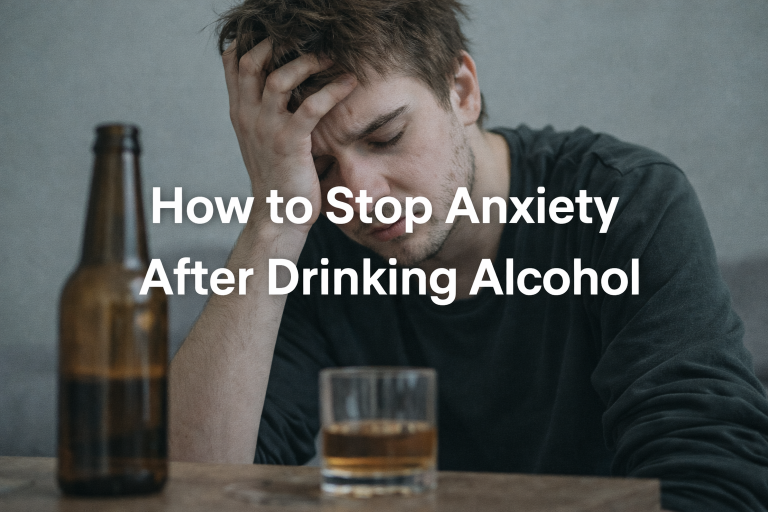
The tremulously apprehensive sensation of the next day of liquor passing has a name and it is not so rare as you have imagined. Anxiety is a symptom of alcohol consumption among many people, commonly referred to as hangxiety. You start the morning, the heart is racing, the mind is swirling and there is an abstract feeling that something is off, although nothing actually is. Annoying? Yes. Permanent? No.
This paper will describe why drinking can lead to anxiety, what, in fact, calms anxiety, and when it may be necessary to get professional help. The source is based on trusted health sources, including those of Healthline, and relies on modern knowledge about medicine, not fallacies of pseudoscience and fear.
What is Anxiety After Drinking Alcohol?
One of the situations of nervousness, panic, irritability or uneasiness exhibits several hours or even a day after drinking alcohol. Florida Atlantic Coast Treatment Solutions advises that the first effect of alcohol is that of a depressant that enhances relaxation. But after exiting your system, the brain tends to swing in the reverse fashion, thus giving you anxiety symptoms.
Common signs include:
- Rapid heartbeat
- Sweating or shakiness
- Restlessness
- Trouble focusing
Ruminating on what one said and what the other said.
And when this seems familiar, then you are not weak. You are a human being and there is chemistry.
Why Does Alcohol Cause Anxiety?
Alcohol impacts several systems in the brain. Your mind also calms down more when you drink, and this is because GABA, which is a neurotransmitter that induces calm, is more active. Meanwhile, it inhibits glutamate, which is a mental stimulus.
After the alcohol wears off, the brain attempts to restore equilibrium with itself. GABA drops. Glutamate rebounds. The outcome is that your nervous system and a cup of three espressos have just been handed to you.
Alcohol also:
- Disrupts sleep quality
- Dehydrates the body
- Lowers blood sugar
- Stimulates cortisol (stress hormone) levels.
All these aspects can produce anxiety symptoms directly. Together, they describe why anxiety following alcohol consumption has such a powerful impression.
How Long Does Anxiety After Drinking Last?
The duration of alcohol-related anxiety takes 12 to 48 hours to most people. Sleep, hydration and health have an impact on recovery time. In case of prolonged anxiety (over a few days), or when the anxiety worsens by subsequent drinking, alcohol may be contributing to an underlying anxiety disorder.
According to Florida Atlantic Coast Treatment Solutions, patients who have anxiety disorders usually develop more serious symptoms when they consume alcohol. Alcohol does not cure anxiety; it only briefly conceals it, only to turn it up at a later stage.
How to Stop Anxiety After Drinking Alcohola
The good news? There are a number of evidence-based interventions used in reducing post-drinking anxiety. None of them involve dramatic actions or magical supplements.
1. Hydrate Like It’s Your Job
Alcohol dries up the body and the brain. drink a lot of water or electrolyte fluids during the day. It is also a basic measure that one can take to control the heart rate and the stress of the nervous system.
2. Eat Balanced Meals
Lack of efficiency in the glycemic levels is a supplement to rapidly developing jitters. Focus on meals with:
- Complex carbohydrates
- Protein
- Healthy fats
Food is discovered to maintain the mood and the energy levels.
3. Sleep (Even If It’s Not Perfect)
Alcohol also disrupts REM sleep and has an impact on emotional control. Besides the light naps or even during the brief rests, there is more positive recovery. Take caffeine when you are feeling jumpy in your heart.
4. Practice Gentle Breathing
Rapid breathing is an indicator of danger to the nervous system. Try this:
- Inhale for 4 seconds
- Exhale for 6 seconds
- Repeat for 5 minutes
This method is a natural method of reducing cortisol and heart rate.
5. Avoid “Hair of the Dog”
Re-accumulating alcohol would temporarily reduce anxiety but increase the regression. Medical researchers also concur that the more the alcohol consumed, the higher the rebound anxiety in the future.
When Anxiety After Drinking Becomes a Red Flag
Every now and then there is hangxiety. The issue of persistent or extreme nervousness after a drink should raise their concern.
You may decide to get the professional help as follows:
- And whenever you drink, there is anxiety.
- Symptoms either break the labor or the relationship.
- You take alcohol to cope with stress or interest.
- He is even anxious when he is not intoxicated.
On a frequency basis, clinicians deal with the people without a close relationship between anxiety and alcohol consumption in Florida Atlantic Coast Treatment Solutions. By early intervention, mental issues and substance-related ones will be prevented in the long term.
Can Reducing or Stopping Alcohol Help Anxiety?
Yes. Studies have continually indicated that anxiety symptoms may be enhanced with the reduction of alcohol consumption in the long term. Certain individuals have recorded an improvement in sleep, level moods and reduction of panic-like sensations after a few weeks of reducing the use.

In the cases in which quitting alcohol is perceived to be a challenge or causes withdrawal, it will be of significant concern to seek medical advice. The idea of supportive treatment is based on safety, emotional well-being and stability, and not judgment.
Getting Professional Help
Anxiety does not need to be held on your own, in case it repeats after taking alcohol. The Florida Atlantic coast treatment solutions offer evidence-based treatment to anxiety and alcohol-related issues with individualized treatment plans and caring services.
The initial assistance can make someone recover quicker- now and less time scrolling through Google in the morning with shaky fingers searching their symptoms.
FAQs: Anxiety After Drinking Alcohol
Why does alcohol cause anxiety the next day?
Alcohol disrupts neurotransmitters like GABA and glutamate. When alcohol leaves the body, the brain enters a rebound state that increases anxiety and stress responses.
How long does hangover anxiety last?
Most people feel better within 12–48 hours. Hydration, nutrition, and rest can shorten recovery time.
Can alcohol make anxiety disorders worse?
Yes. Florida Atlantic Coast Treatment Solutions reports that alcohol can worsen existing anxiety conditions and increase symptom frequency over time.
Does drinking water help anxiety after alcohol?
Hydration supports nervous system balance and reduces physical symptoms like rapid heart rate, which can worsen anxiety.
When should I seek treatment for alcohol-related anxiety?
If anxiety appears consistently after drinking or affects daily life, professional support from providers like Florida Atlantic Coast Treatment Solutions can help address both anxiety and alcohol use safely.