An estimated 69,147 people died of a drug overdose in the U.S. in the 12 months ending January 2026, and overdose remains the leading cause of death for Americans aged 18 to 44.1 A drug overdose happens when someone takes more of a drug, or a combination of drugs, than their body can safely process. Recognizing the warning signs and acting in the first few minutes can be the difference between life and death.
A drug overdose is a medical emergency that can slow or stop breathing, disrupt heart function, or cause unconsciousness. If you suspect one, call 911 immediately, give naloxone if opioids might be involved, and stay with the person until help arrives. Surviving an overdose is also often the moment professional addiction treatment becomes possible.
Key Takeaways
- A drug overdose is a medical emergency involving prescription medications, illegal drugs, alcohol, or combinations of substances.
- Slowed or stopped breathing, blue or gray lips, and unresponsiveness are emergency warning signs that require calling 911 immediately.
- Naloxone can temporarily reverse an opioid overdose, but emergency medical care is still necessary even after it’s given.
- Most U.S. states have some form of Good Samaritan law protecting people who call for help during an overdose.
- Professional addiction treatment after an overdose significantly reduces the risk of it happening again.
What is a Drug Overdose?
A drug overdose is a potentially life-threatening event that occurs when a person takes more of a substance than their body can safely handle, whether that’s a prescription opioid, fentanyl, heroin, cocaine, methamphetamine, benzodiazepines, alcohol, sleep medication, or a combination of substances. The excess amount overwhelms the brain and body and can affect breathing, heart rate, blood pressure, or consciousness.
Overdoses happen accidentally far more often than intentionally, frequently due to unexpected drug potency or a sudden change in someone’s tolerance.
Synthetic opioids, mainly illicit fentanyl, remain the biggest driver: fentanyl and related synthetic opioids were involved in roughly 69% of all U.S. overdose deaths in 2023.2 Overdoses involving more than one substance are also common, which is part of why prompt emergency treatment matters regardless of what a person is believed to have taken.
Why Do Overdoses Happen?
Overdoses don’t always require an obviously large dose. A few patterns account for most of them. The most direct is simply taking more of a substance than prescribed or intended, which can happen even with medications used exactly as directed if the dose creeps up over time.
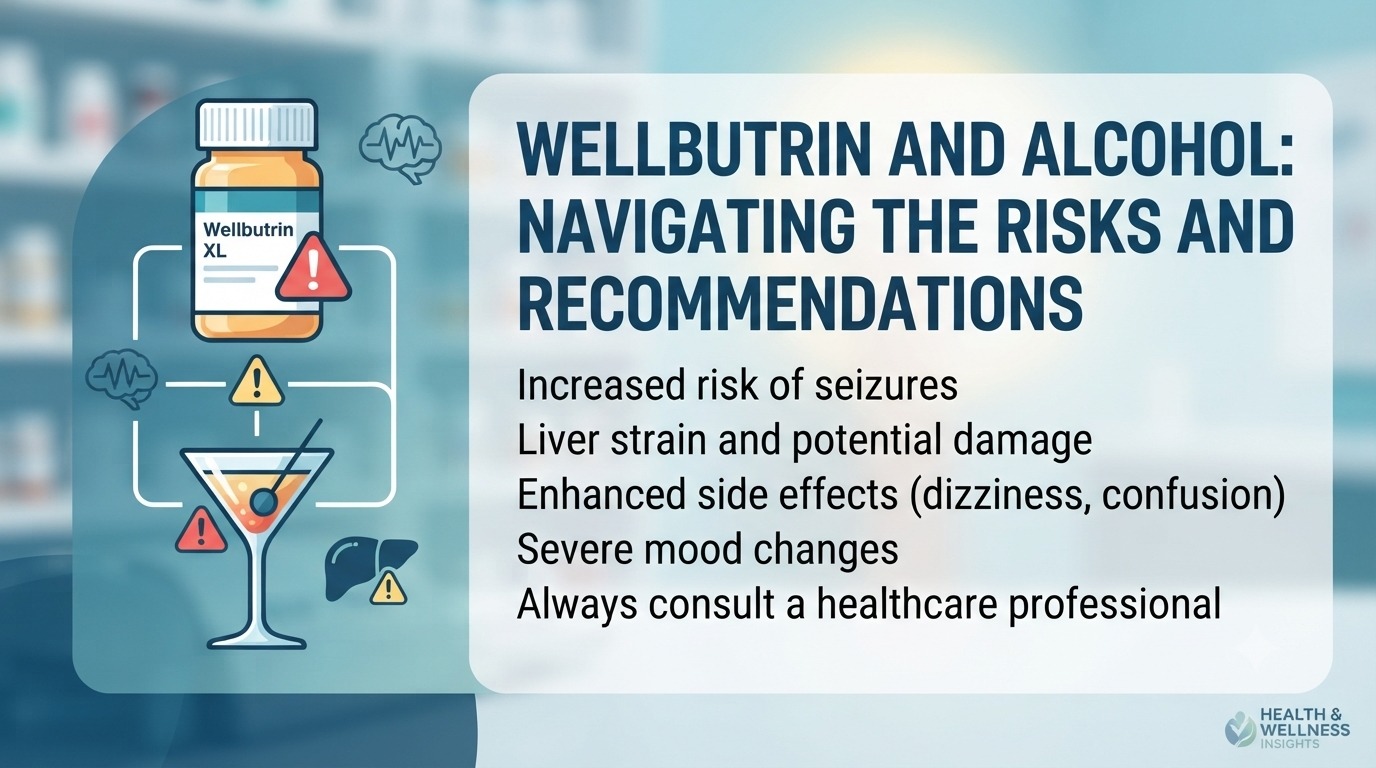
Mixing substances is another major factor: combining opioids with alcohol or benzodiazepines can severely slow breathing, and that combination is involved in a large share of fatal overdoses.
Tolerance is a less obvious risk. It drops quickly after medical detox, incarceration, hospitalization, or any period of abstinence, so returning to a previously “normal” dose can be enough to overdose. Unknown drug potency compounds this: illicit pills and powders increasingly contain fentanyl the buyer never knew was there, and even a small amount can be fatal.
Mental health conditions like depressive disorders or untreated trauma can also contribute to riskier use, which is part of why integrated treatment, addressing both substance use and mental health together, tends to produce better outcomes.
Finally, certain medical conditions affecting the liver, kidneys, heart, or lungs can reduce how safely the body processes drugs, raising overdose risk even at a prescribed dose.

Who’s Most at Risk?
Anyone who uses drugs or misuses medication can experience an overdose, but risk climbs with a few specific factors: a history of substance use disorder, a previous overdose, using multiple substances together, returning to use after medical detox, incarceration, buying drugs from unregulated sources, high-dose opioid prescriptions, untreated mental health conditions, limited access to treatment, and using alone, where no one is present to call for help. None of these guarantees an overdose will happen, but they’re useful for families deciding when to step in earlier rather than later.
Warning Signs of an Overdose
Symptoms vary by substance and can develop over minutes or more gradually, but a few signs point to an emergency regardless of what was taken: slow, shallow, or stopped breathing; blue or gray lips and fingertips; pinpoint pupils (common specifically with opioids); a rapid or irregular heartbeat; cold, clammy skin; vomiting or choking; seizures; and loss of muscle control. Mentally and behaviorally, watch for extreme confusion, inability to stay awake, unresponsiveness, slurred speech, or loss of consciousness.
Substance | Common Overdose Symptoms |
Opioids | Slow breathing, pinpoint pupils, unconsciousness |
Stimulants | Chest pain, seizures, overheating, rapid heartbeat |
Benzodiazepines | Severe drowsiness, slowed breathing, and confusion |
Alcohol | Vomiting, unconsciousness, slowed breathing, low body temperature |
An overdose can be a frightening turning point, but you don’t have to navigate what comes next alone. Contact Florida Atlantic Coast Treatment Solutions (FACTS Recovery) today.
What to Do If Someone Is Overdosing
Treat any suspected overdose as a medical emergency. Never assume the person will “sleep it off.”
- Call 911 immediately. Give your exact location and explain what you’re seeing, even if you’re unsure which substance is involved. Say the person is “unresponsive” or “not breathing” clearly, since that language tends to get EMS prioritized. Stay on the line and follow the dispatcher’s instructions.
- Give naloxone if opioids might be involved. Naloxone temporarily reverses opioid overdoses (fentanyl, heroin, oxycodone, hydrocodone, morphine, methadone) by restoring normal breathing. If you’re not sure whether opioids are involved, give it anyway: it’s unlikely to cause harm if they aren’t present, and it can save a life if they are.
- Keep the person breathing. If they’re unconscious but breathing, place them in the recovery position on their side and keep their airway clear. If breathing stops and you know CPR, start rescue breathing while you wait for responders.
- Don’t leave them alone, and skip the folk remedies. Stay until help arrives. Don’t try to make them walk, force them to vomit, put them in a cold shower, or give food or drinks; none of that helps, and some of it makes things worse.
- Tell responders what you know. What substance may have been taken, roughly how much, when, and any existing medical conditions or medications? Even partial information speeds up treatment.
Naloxone’s effects can wear off before the opioids fully leave the body, which is why emergency medical care is still necessary even after someone responds to it and seems to recover.
Drug Overdose vs. Drug Intoxication
These get confused often, but an overdose is a medical emergency in a way ordinary intoxication isn’t.
Feature | Intoxication | Overdose |
Severity | Mild to moderate impairment | Medical emergency |
Consciousness | Usually awake | May become unconscious |
Breathing | Usually normal | May become dangerously slow or stop |
Heart function | Generally stable | May become irregular or stop |
Risk of death | Lower | High if untreated |
Right response | Observation | Call 911 immediately |
Worried about your own risk, or a loved one’s? Florida Atlantic Coast Treatment Solutions offers confidential assessments to help you understand where things stand and what to do next. Schedule a confidential assessment →

Can an Overdose Be Prevented?
Not every overdose is preventable, but many are. Taking medications only as prescribed, without adjusting the dose or combining them with anything else without medical guidance, closes off the most common cause. Avoiding alcohol and benzodiazepines alongside opioids specifically removes one of the deadliest combinations.
Anyone returning to use after medical detox, incarceration, or a period of abstinence should assume their tolerance has dropped, since resuming a previous dose is a leading cause of overdose in exactly this group.
Naloxone is worth having on hand for anyone at risk of an opioid overdose; most states allow it to be obtained without an individual prescription. Beyond that, early professional treatment and a real support system, family, peers, or a counselor, both meaningfully lower long-term risk.
Why Professional Treatment Matters:
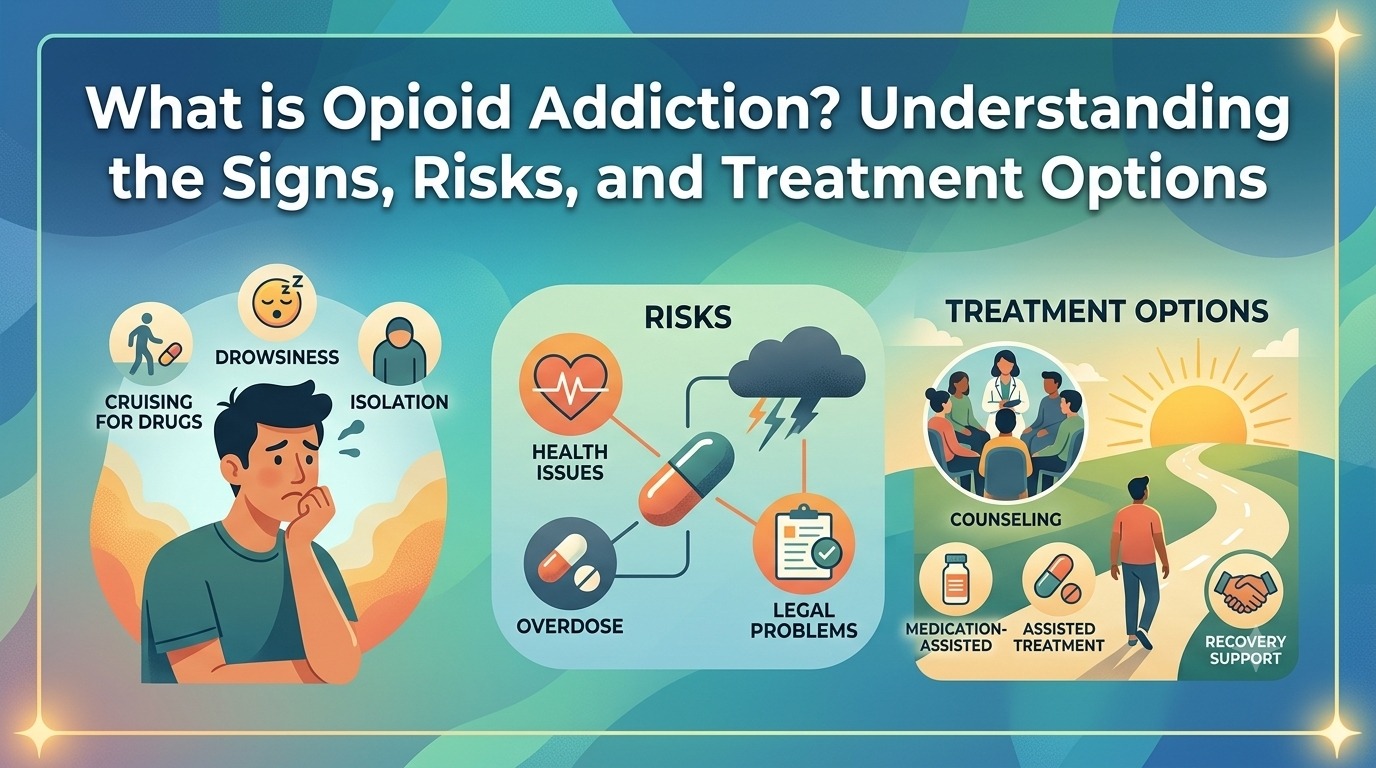
After an overdose, emergency care treats the overdose itself, not the substance use disorder behind it. Without follow-up treatment, the risk of another overdose stays high. Depending on the person, that follow-up might include medical detox, residential treatment, a partial hospitalization or intensive outpatient program, individual therapy, or group therapy, family therapy, and relapse prevention planning, often addressing a co-occurring mental health condition alongside the substance use itself.
“An overdose is often the moment a family finally gets a chance to intervene,” says the clinical team at Florida Atlantic Coast Treatment Solutions. “The goal after that emergency passes is making sure it doesn’t happen again.”
Take the First Step Toward Recovery
A drug overdose is often a turning point, and what happens next matters. Florida Atlantic Coast Treatment Solutions provides confidential addiction treatment tailored to each person’s needs, whether you’re seeking help after an overdose or before one happens.
Call Florida Atlantic Coast Treatment Solutions today to speak confidentially with an admissions specialist.
Frequently Asked Questions
What exactly happens during an overdose?
During a drug overdose, the body is overwhelmed by a substance or combination of substances, disrupting normal functions such as breathing, heart rate, blood pressure, or brain activity. Depending on the drug involved, an overdose may lead to unconsciousness, seizures, respiratory failure, cardiac arrest, or death without prompt medical treatment.
What are five signs of an overdose?
Five common signs of a drug overdose include slow or stopped breathing, blue lips or fingertips, pinpoint pupils (common with opioids), unresponsiveness, and seizures. Other symptoms may include vomiting, chest pain, confusion, or an irregular heartbeat. Any suspected overdose should be treated as a medical emergency.
What does being overdosed feel like?
The experience varies depending on the substance, but people may feel extremely sleepy, confused, dizzy, unable to breathe normally, or lose consciousness. Some individuals experience chest pain, severe anxiety, hallucinations, or seizures. Because symptoms can worsen rapidly, emergency medical care should never be delayed.
What is the most common drug overdose?
In recent years, opioids, particularly illicitly manufactured fentanyl and other synthetic opioids, have been responsible for the largest number of overdose deaths in the United States. According to the CDC and NIDA, opioids continue to account for the majority of fatal drug overdoses nationwide.
How long does death by overdose take?
There is no single timeline. Some overdoses become life-threatening within minutes, while others progress more slowly depending on the drug, dose, and whether multiple substances were used. Because it is impossible to predict the outcome, immediate emergency medical attention is always essential.
What do people usually overdose with?
People may overdose on prescription opioids, fentanyl, heroin, cocaine, methamphetamine, benzodiazepines, alcohol, sleep medications, or combinations of these substances. Mixing drugs—especially opioids with alcohol or sedatives—significantly increases overdose risk.
Can you still survive an overdose?
Yes. Many people survive a drug overdose, particularly when emergency medical care is provided quickly. Calling 911 immediately, administering naloxone for suspected opioid overdoses, and receiving hospital treatment can greatly improve survival and provide an opportunity to begin addiction recovery.
What happens to your body when you overdose?
A drug overdose can reduce oxygen levels, slow or stop breathing, affect heart rhythm, damage the brain, and impair the function of vital organs. Even when someone survives, delayed treatment may result in long-term neurological or physical complications, making rapid medical intervention critical.
Author Bio
Zach Miller is the Director of Operations for Florida Atlantic Coast Treatment Solutions and has more than a decade of experience supporting individuals and families affected by substance use disorders. He works closely with multidisciplinary treatment teams to improve access to evidence-based addiction care and recovery services.
Zach is passionate about educating the public on addiction, relapse prevention, and behavioral health through accurate, compassionate, and research-backed content. Learn more about our team by visiting our About Us page.
Disclaimer
This article is provided for educational and informational purposes only and is not intended to replace professional medical advice, diagnosis, or treatment. If you suspect that someone is experiencing a drug overdose, call 911 immediately.
Always consult a qualified healthcare provider regarding questions about substance use, medications, or treatment options.
References
- Centers for Disease Control and Prevention (CDC). Drug Overdose Deaths in the United States. https://www.cdc.gov/nchs/hus/topics/drug-overdose-deaths.htm
- National Institute on Drug Abuse (NIDA). Drug Overdose Death Rates. https://nida.nih.gov/research-topics/trends-statistics/overdose-death-rates
- Substance Abuse and Mental Health Services Administration (SAMHSA). Overdose Prevention and Response Toolkit. https://www.samhsa.gov
- Centers for Disease Control and Prevention (CDC). Opioid Overdose Prevention. https://www.cdc.gov/overdose-prevention