Key Takeaways
- Co-occurring disorders and substance abuse are disorders that include a mental health and addiction dilemma simultaneously.
- There is a general overlap in the symptoms and this complicates the diagnosis.
- Long-term recovery requires integrated treatment.
- Professional support and early recognition may stop the deterioration of the situation.
- Acknowledging assistance is a very essential and most empowering process leading to recovery and stability.
Mental health issues appear to be challenging and vexing when presenting with addiction. This complex relationship or problem is known as “co-occurring disorders and substance abuse.” An individual will not be able to cope with a substance use disorder and a mental health condition simultaneously. The connection between these conditions is what leads to the successful process of recovery and future well-being.
The thing that the majority of people are unaware of is that these issues are inclined to cooperate with each other. An individual can also consume substances to help address anxiety, depression, or trauma, but substance use can also exacerbate mental health symptoms in the long term. The earlier the cycle is realized, the more possible it will not fall into the wrong support to attain sustainable recovery.
What are Co-Occurring Disorders?
Co-occurring Disorders and Substance Abuse are those disorders that appear in a single person: a mental illness disorder and a substance use disorder. These disorders can also be said to be a dual diagnosis.
Some of the examples of mental conditions included:
- Depression
- Anxiety disorders
- Bipolar disorder
- Post-traumatic stress disorder (PTSD).
- Schizophrenia
Substances can be in the form of alcohol, prescription or illegal drugs. Together, these difficulties demand a concerted way of treatment as opposed to each problem being treated separately, since both conditions affect each other.
Why Co-Occurring Disorders are Often Overlooked
The co-occurring disorders and substance abuse can be difficult to diagnose because the symptoms overlap with each other. An example is that the use of drugs or alcohol can either replicate or worsen the symptoms of depression or anxiety and thus make the diagnosis more challenging.
Additionally:
- Individuals may not divulge substance use due to shame and fear.
- Psychological indicators would either be diminished or misunderstood.
- Stigma prevents people from seeking help.
Due to this, not all persons receive proper care or they are given half-done care and this can also slow down the healing process and increase the chances of the symptoms developing.
Common Signs and Symptoms of Co-Occurring Disorders
The early identification of co-occurring problems and substance abuse may help to avoid more severe complications. Most of the time, the indicators can be different, but the following symptoms are most prevalent:
Emotions and Mental Symptoms
- Constant depression or hopelessness.
- Extreme mood swings
- Fretfulness, panic attack or anxiety.
- Lack of ability to focus or to decide.
Behavioral Signs
- Greater distance between people and family.
- Irresponsible or fast behaviors.
- The interest in things that were once enjoyed is lost.
Physical Signs
- The alterations in sleeping conditions (insomnia or excessive sleep)
- Sudden weight loss or gain
- Common diseases, lack of vitality, or tiredness.
Substance-Related Signs
- Agency not guilt feeling is amplified or triggered.
- Trying to find relief in the use of substances.
- Nondiscursive withdrawal symptoms.
When several symptoms are observed, it can be a sign of comorbid disorders and drug abuse, and a specialist assessment is highly advised.
How These Conditions are Connected
The connection between mental health and addiction should be understood to be able to effectively treat co-occurring disorders and substance abuse.
Self-Medication
Most people resort to the use of drugs or alcohol to cope with emotional pains or unmanaged mental health symptoms.
Brain Chemistry
Substance abuse can alter the performance of the brain, thereby worsening or triggering
preexisting psychological complications.
Shared Risk Factors
Both conditions may be determined by:
- Genetics
- Trauma or abuse
- Chronic stress
- Environmental influences
As a result of these interlocking effects, failure of the management of one to the other would lead to a relapse or partial recovery.
The Importance of Integrated Treatment
Co-occurring disorders and substance abuse should be approached as a complex problem that has to be treated simultaneously. This is also called integrated treatment and is considered to be the gold standard of care.
Treatment plans can be effective that include the following:
- Personal therapy (cognitive behavioral therapy)
- When appropriate, medication management.
- Peer support and group counseling.
Palliative therapies such as mindfulness, stress and lifestyle management.
The treatment of mental health and substance use using integrated care guarantees better outcomes and a significant decrease in the likelihood of relapse.
Barriers to Seeking Help
Although the symptoms are identified, individuals usually feel reluctant to seek the help of Co-Occurring Disorders and Substance Abuse because of:
- Fear of judgment or stigma
- Ignorance of dual diagnosis.
- Economic issues or inadequate or low access to services.
- Symptom denial or minimization.
The first place to start breaking these barriers is in the form of education, awareness and caring support. There is nothing weak about seeking help; it is a brave and critical action that one takes to recover.
When to Seek Professional Support
It could be time to work on co-occurring disorders and substance abuse in case:
- Daily life or responsibilities are being hampered by the use of substances.
- Symptomatic mental health is acute or chronic.
- It is changing relationships, work or physical health.
You have made attempts to cease taking substances but cannot do it.
Complications can be avoided with the help of intervention at an early stage and greatly enhance recovery.

A Path Toward Recovery
Co-occurring disorders and substance abuse can be treated and recovered with the assistance of a proper program and support. It starts with the realization of the fact that you are not the only one who needs it and that you can be assisted successfully
Comprehensive care involving substance use and mental health is to be provided at Florida Atlantic Coast Treatment Solutions through a caring and personalized approach to treatment. Their group is aware of the intricacies of dual diagnosis and offers evidence-based treatment and interpretation of the needs of individuals.
Take the First Step Today
When you are grappling with co-occurring disorders and substance abuse, and when the loved one is struggling with the same situation, do not wait and see things go down the drain. Contact Florida Atlantic Coast Treatment Solutions for confidential help and advice. It is possible to live a healthier, more balanced life, and now it is time to begin this process.
FAQs:
What is defined as substance abuse?
Substance abuse refers to the harmful or excessive use of drugs or alcohol that negatively impacts a person’s health, relationships, or daily functioning. It often involves a loss of control, increased tolerance, and continued use despite adverse consequences.
What is an example of a co-occurring condition?
An example of a co-occurring condition is someone experiencing depression while also struggling with alcohol addiction. Both conditions influence each other, requiring integrated treatment that addresses mental health symptoms alongside substance use behaviors.
What is the most common co-occurring disorder?
Depression is one of the most common disorders associated with substance use. Many individuals use substances to cope with depressive symptoms, which can worsen over time and create a cycle of dependency and emotional distress.
What is meant by co-occurring disorders?
Co-occurring disorders refer to the presence of both a mental health condition and a substance use disorder in the same individual. These conditions interact and require simultaneous treatment for effective recovery and long-term stability.
What are 6 types of substance abuse?
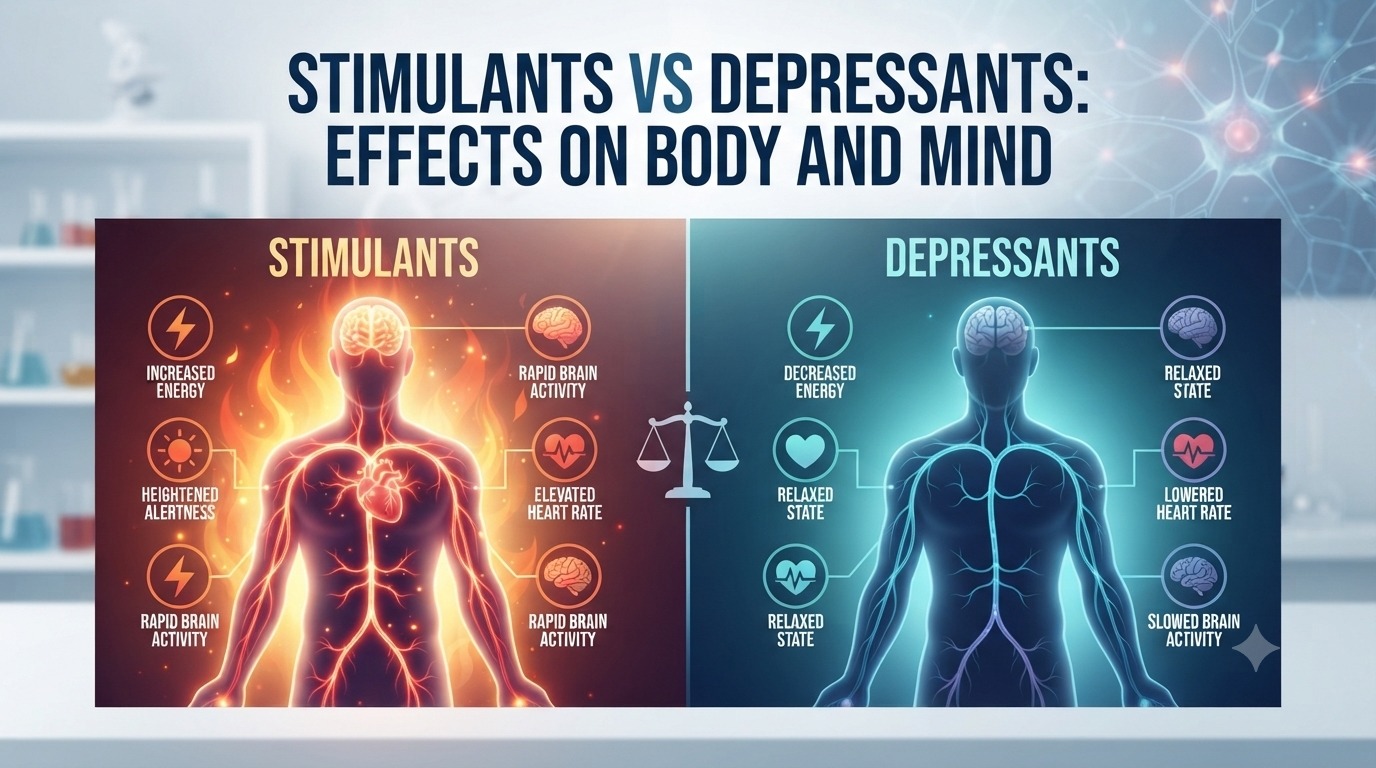
Common types of substance abuse include alcohol, opioids, stimulants (like cocaine), depressants (such as benzodiazepines), hallucinogens, and cannabis. Each type affects the brain differently but can lead to dependency and harmful consequences.
What are the four key elements of substance abuse?
The four key elements include loss of control over use, continued use despite negative consequences, increased tolerance, and withdrawal symptoms. These factors help identify substance use disorders and determine the need for professional treatment.
Disclaimer
This content is for informational and educational purposes only and does not constitute medical or mental health advice. It is not intended to replace professional diagnosis, treatment, or consultation. Always seek the advice of a qualified healthcare provider with any questions regarding a medical or mental health condition.
Sources
- Substance Abuse and Mental Health Services Administration (SAMHSA)
- National Institute on Drug Abuse (NIDA)
- National Alliance on Mental Illness (NAMI)
- American Psychiatric Association (APA)