Quick Answer: If someone is experiencing bipolar disorder and schizophrenia-like symptoms, be calm, keep it short, don’t confront delusions, suggest professional assistance, set boundaries, and call emergency numbers if there is immediate danger. With proper, continuous mental health treatment, a person can get better.
When trying to find something about how to handle a bipolar schizophrenic person, the first step, of course, is to maintain security, patience, and professional assistance. Keep in mind, as well, that bipolar schizophrenia is not a legitimate diagnosis. A person with the following may be misdiagnosed as having BD: BD with psychotic features, schizophrenia, or schizoaffective disorder and also only a qualified mental health professional can be able to make this determination.
Key Takeaways
- When navigating challenging situations, remain calm and articulate with shorter and more courteous phrases.
- Try not to engage in any argument with the hallucination or delusion, but do not also reinforce it.
- Foster psychiatric assessment and treatment.
- Establish clear limits regarding threatening, abusive, or unsafe behavior.
- Look for significant changes in sleeping, mood, behavior, talking or thought.
- Be prepared with a crisis plan in advance.
- Take care of your physical and emotional health.
Call 988 if you or someone you know is struggling with mental health or suicide in the U.S OR call 911 in case of immediate danger.
What is Schizophrenia?
Schizophrenia is a severe mental condition that can impact one’s thoughts, feelings, how they view things, how they interact with others and how they tell reality from fantasy. This may involve distortions in thinking, hearing, or seeing; problems with daily living; loss of interest or motivation; and social isolation. There is a wide range of symptoms from one person to another.
Also refrain from the use of “bipolar schizophrenic” to refer to an individual. A cluster of symptoms resembling psychosis can occur in a person with BD, often during serious manic or depressive episodes. Another condition with features of schizophrenia and prominent mood episodes is schizoaffective disorder. These conditions can be distinguished in a careful evaluation over the course of time.
Fact: Despite the varying estimates for prevalence, NIMH estimates that worldwide, approximately 0.33% to 0.75% of people have schizophrenia.
When a Loved One Has Schizophrenia?
As a loved one of someone who suffers from schizophrenia, don’t assume the role of diagnosing them or attempting to force them to behave in certain ways. Your job may be to provide consistent support, help facilitate treatment, make positive times obvious and assist in making a safer environment. Attempt to disconnect the person from the symptoms. Frightening statements or out-of-the-way behavior could be more of an illness than an effort to offend you.
You also need to learn that dealing with a bipolar schizophrenic means that you need to know your limits. One can have a very deep and loving relationship with someone without endangering themselves or others through fear and manipulation, threats and violence. Boundaries are not giving up. These can be helpful to ensure the safety of all concerned and to improve the stability of family relations.
Tips for Helping a Loved One With Schizophrenia
If you’re wondering how to help someone with bipolar schizophrenia, the first step is to be able to talk with them. Be calm, take time for the person to answer and limit the number of questions. If they are seeing things or feeling things that they know are not happening, tell them that it must be very scary for them, but it’s not happening.
As a couple of examples, if the person is saying, ‘You’re imagining everything,’ you can say, ‘I hear you, and you’re scared, and I don’t see it, but I want you to feel safe anyway! NIMH believes that it is important to refuse to be carried out by dangerous behaviors while remaining respectful and supportive.
Evidence point: In NIMH’s early-psychosis research, results: Coordinated specialty care works better than standard treatment to help people with their symptoms, relationships, quality of life and work or school participation.
What if My Loved One Refuses to Accept Treatment?
It can be challenging when someone is reluctant to begin treatment, particularly if they don’t think they have a mental health issue. Conflict doesn’t generally resolve the issue. Instead, try to concentrate on the present moment that the person is going through. Please elicit ideas on what would make it easier for them to get assistance and provide options if feasible.
If the person doesn’t want treatment, but it isn’t an immediate danger just yet, you’ll probably be able to get advice from a psychiatrist, therapist, your primary care provider, or family support service to get guidance. Do not attempt to deal with things on yourown, for, advice or help or emergency services if someone is about to kill themselves or hurt themselves (dangerously) or if they are in trouble to keep themselves safe.
Supporting Your Loved One’s Schizophrenia Treatment
Treatment support may be more than a reminder to take medication. You may be able to accompany them to appointments, arrange transportation, create a consistent schedule, or let their treatment team know of concerns when it is appropriate. Encourage treatment without making all conversations about being sick.
Treatment might involve psychiatric medication, psychotherapy, family education, case management, and/or practical support. According to NIMH, “coordinated specialty care” is a treatment approach for early psychosis in which a variety of services are organized around the individual’s needs and goals.
Transparency: Personalization of the treatment. No mature company in this field will guarantee a cure for everyone with any one drug, therapy, or program. Symptoms, history, medical factors, medications, substance use and safety needs are all necessary elements to determine diagnosis and treatment decisions.
Common Warning Signs of Schizophrenia
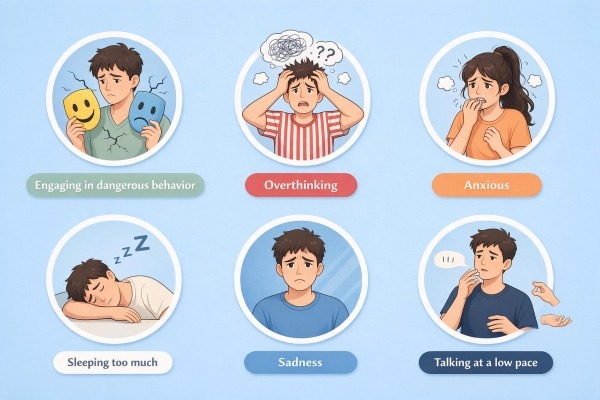
Signs and symptoms that may be associated with schizophrenia include:
Signs and symptoms can progress slowly over time. These can involve becoming more suspicious, isolation, bizarre ideas, trouble thinking clearly, poor self-care, trouble sleeping, confused speech, and trouble with reality. A significant drop in work, school, relationship, or daily functioning also may be a red flag.
Familiarizing themselves with these symptoms can make families take earlier action. There is not a one-for-one correlation between unusual behaviors and schizophrenia. Any number of other factors, such as sleep deprivation, drug use, the effects of medication, medical conditions, trauma, bipolar disorder and other mental health disorders, can mimic the same symptoms. The cause cannot be considered final until a professional evaluation is made.
Symptoms of Schizophrenia
The symptoms of schizophrenia are typically broken down into positive symptoms, negative symptoms, and cognitive problems. Positive symptoms include seeing or hearing things that aren’t there and delusions. Negative symptoms might include a lower chance of having motivation, emotional expression, or interest in relationships and activities. Cognitive symptoms may include trouble focusing, memory issues, organization issues, and trouble making decisions.
Normal conversations may be confusing during a period of psychosis. If someone is hearing voices or is sure about something but the evidence does not back up their feelings, you may add to their distress by arguing. Providing a helpful line of communication for someone who has bipolar schizophrenia generally means being calm, concise, and respectful in discussing safety and immediate needs.
Causes of Schizophrenia
Schizophrenia has no one known cause. Studies indicate that it is due to a variety of factors: genetic, biological, developmental, and environmental. The family history can put them at risk but does not guarantee they will have schizophrenia. Similarly, having stress does not imply that this is due to stress alone.
Symptoms may also be complicated by substance use. Predispositions to psychosis can be exacerbated or produced by some medications, and substance use disorders can coexist with schizophrenia. Clinicians take into account all the person’s history because several things may overlap, so they will decide which of the treatments is the proper approach in determining what’s going on.
Key difference: It’s possible to have bipolar disorder and schizophrenia, though it must be diagnosed carefully. During severe mood episodes, bipolar disorder itself may cause psychotic symptoms. Clinicians consider the length of time between mood episodes and the onset of the psychosis symptom when diagnosing.
Tips for Handling a Schizophrenia Crisis
In the event of a crisis: Put safety first, not right. Minimize stimuli, physical proximity, and the tone of voice. Do not threaten, move quickly, or crowd or argue at length about their beliefs. Do not physically intervene or interfere unless weapons are in possession or there is an imminent threat of harm.
988 is the U.S. number to call in the case of a mental health or suicide crisis. Call 911 if it is an immediate life-threatening emergency. NIMH recommends in particular that emergency assistance should be sought if someone is likely to hurt himself or others immediately.
Florida Atlantic Coast Treatment Solutions can help you take a look at suitable mental wellness treatment alternatives. Contact us today to talk to our staff about next steps.
Choosing the Right Option for Someone with Schizophrenia
The type of housing someone requires relies on their symptoms, level of independence, security requirements, medical needs and level of daily assistance required. Some individuals are able to live on their own and receive outpatient services, others may choose to live in a family home, supportive housing, structured programs, or at a more managed level of care.
Based on an individualized assessment and not just a diagnosis. Take into account medications, psychiatric needs, transportation, daily living skills, drug and alcohol use, the individual’s history of crisis and his or her preferences. Involve the person in housing and support decision-making wherever possible.
Why Choose Florida Atlantic Coast Treatment Solutions?
Florida Atlantic Coast Treatment Solutions offers care and services to those and their families affected by mental health and substance use issues. We are based on the premise that no two individuals are the same. Those who suffer mood changes, psychosis and other serious symptoms should not be judged or labeled.
When you’re seeking to comprehend how to treat a bipolar schizophrenia personality, keep in mind that the diagnosis doesn’t describe the individual. Symptoms can be treated, and functioning, relationships, coping skills, safety and quality of life are all areas of focus for anyone professionally treating the condition. Family members can also be given advice on communication and boundaries.
How to Choose Schizophrenia Treatment?
The first step in the process of selecting a schizophrenia treatment is to gather information and assessment. Search for qualified mental health professionals who will assess for psychosis, mood episodes, medication history, substance use, medical issues, and safety. Inquire about any involvement of family members and what is done in case of an emergency.
Antipsychotic medication, psychotherapy, family education, case management and any other supportive services can be included in treatment. According to NIMH, coordinated specialty care involves multiple components of treatment and support for individuals who are in a state of first episode psychosis.
When deciding on a treatment provider, you will want to ask:
- How much assistance does the person require?
- Are psychiatric medications available for management?
- Who is engaging in the family?
- What goes on in a crisis?
- Are any co-occurring substance abuse issues addressed?
- How is “progress” determined?

Find Schizophrenia Treatment in Florida
Don’t try to diagnose yourself when you are seeking schizophrenia treatment in Florida; instead, start with an assessment performed by a professional. It is important to focus early on psychotic symptoms, as untreated psychosis may interfere with relationships, work, school, and daily life.
Each and every family member should be educated on mental health and treatment options through Florida Atlantic Coast Treatment Solutions. You don’t have to solve all the problems alone if a loved one has certain behaviors that you are concerned about. If that’s the case, call (844) 643-2287 and talk about your situation and what you can do next.
Severe mood symptoms, psychosis, and co-occurring mental health issues can be problematic; if you or someone in your family has these symptoms, there’s help available.
Florida Atlantic Coast Treatment Solutions is here for you to learn the choices and go forward with the next step towards the right treatment.
Frequently Asked Questions
Can bipolar disorder have schizophrenic tendencies?
Bipolar disorder can include psychotic symptoms such as hallucinations or delusions during severe mood episodes. However, these symptoms do not automatically mean schizophrenia. A psychiatrist must evaluate the timing, duration, and relationship between mood and psychotic symptoms.
How to protect yourself from someone with bipolar disorder?
Protect yourself by maintaining clear boundaries, leaving unsafe situations, avoiding confrontation during severe episodes, and seeking professional help when behavior becomes dangerous. Bipolar disorder does not automatically make someone violent, but immediate threats require emergency assistance.
How to help someone with bipolar disorder who refuses help?
Stay calm, listen without judgment, and focus on practical concerns rather than forcing an argument about diagnosis. Offer choices and encourage professional support. If there is immediate danger, suicidal behavior, or serious threats, seek emergency assistance immediately.
Is it hard to live with schizoaffective disorder?
Living with schizoaffective disorder can be challenging for both the individual and family, particularly during severe episodes. Treatment, predictable routines, family education, appropriate boundaries, and ongoing professional support can make daily life more manageable.
How to live with a bipolar schizophrenic person?
Focus on safety, respectful communication, treatment support, and healthy boundaries. Avoid arguing about delusions, encourage professional care, learn the person’s warning signs, and protect your own well-being. The diagnosis should be clarified by a qualified mental health professional.
Which is more serious, bipolar or schizophrenia?
Neither condition should simply be labeled as “more serious.” Both can become severe and can significantly affect functioning and safety. Severity varies by person. With appropriate treatment and support, many people with either condition can achieve meaningful recovery and improved quality of life.
What helps bipolar people the most?
Consistent treatment, medication when prescribed, psychotherapy, adequate sleep, stable routines, reduced substance use, social support, and regular psychiatric care can help manage bipolar symptoms. Treatment should be individualized because different people respond differently to medications and therapeutic approaches.
What not to say to a person with bipolar disorder?
Avoid insults, threats, dismissive statements, or comments that shame the person for symptoms they cannot simply control. Do not tell someone they are “crazy” or that they should just get over it. Calm, respectful communication is more helpful.
When should you stop helping someone with mental illness?
You do not necessarily need to stop caring when someone refuses treatment, but you may need stronger boundaries. If helping places you in danger, enables harmful behavior, or severely damages your well-being, step back and seek professional guidance.
Disclaimer
This article is for general educational purposes and is not a substitute for professional diagnosis, medical advice, psychiatric treatment, or emergency care. The phrase “bipolar schizophrenic person” is commonly used in searches but is not a formal diagnostic term. Bipolar disorder, schizophrenia, and schizoaffective disorder are distinct diagnoses that can sometimes have overlapping symptoms. A qualified mental health professional should determine the appropriate diagnosis and treatment.
If someone is threatening immediate harm, experiencing a medical emergency, or cannot remain safe, call 911. For mental health or suicide-related crises in the United States, call or text 988.
Expert References
- National Institute of Mental Health: Schizophrenia
- National Institute of Mental Health: Bipolar Disorder
- National Institute of Mental Health: Understanding Psychosis
- National Institute of Mental Health: Recovery After an Initial Schizophrenia Episode
- National Institute of Mental Health: Schizophrenia Statistics