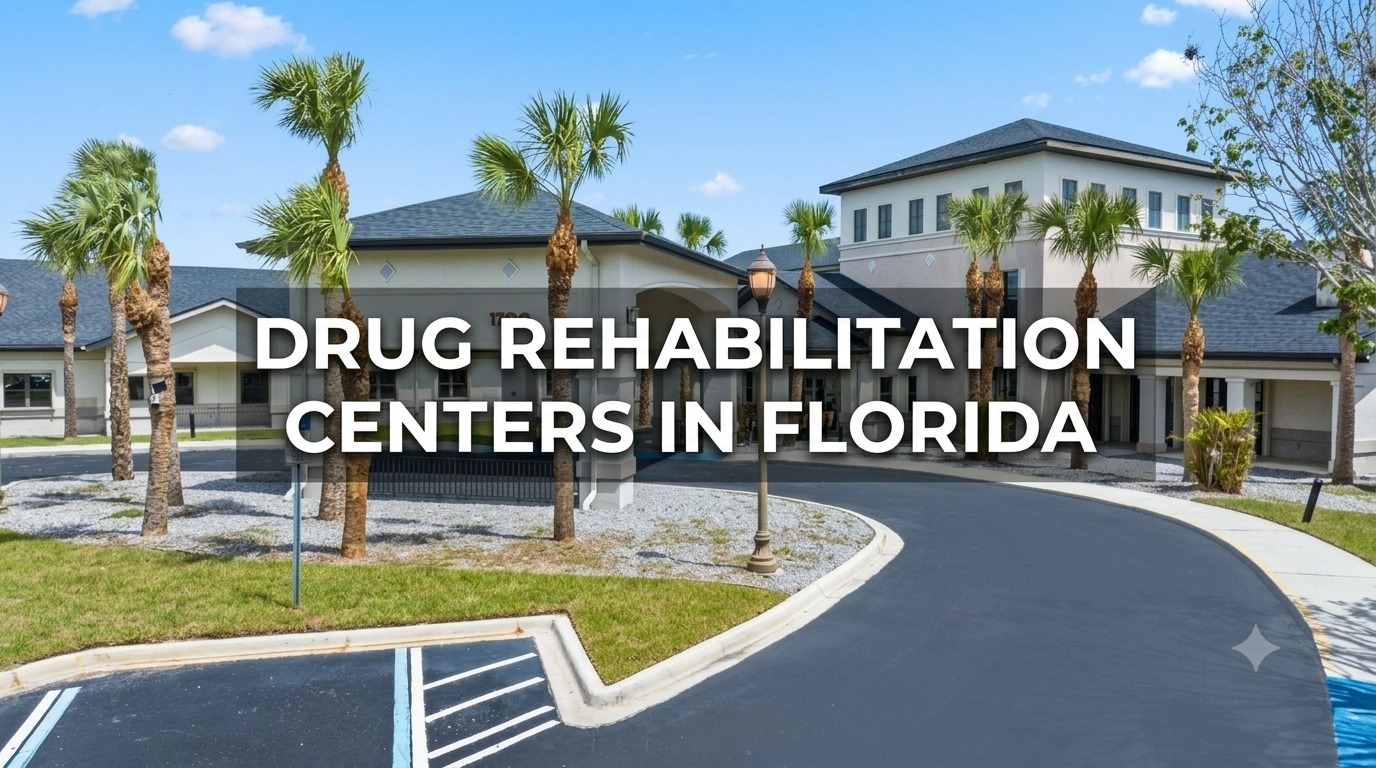
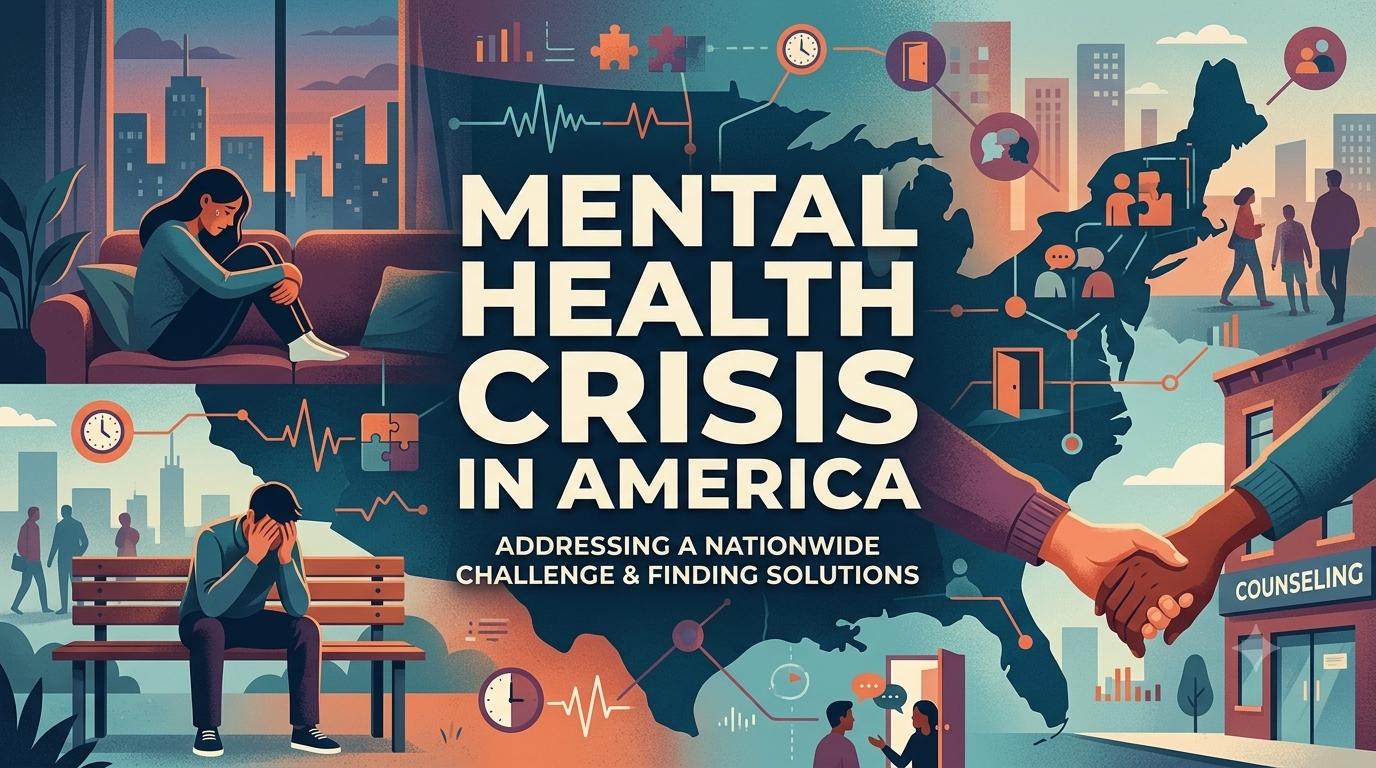
A psychiatric residential treatment center for adults offers adults in need of mental health care more intensive and continuous support than outpatient treatment but less intensive services than acute hospital care, where the support is structured and provided around the clock. The psychiatric evaluation is, of course, one possible aspect of treatment, as is the use of medications.
Psychotherapy is, likewise, a possible treatment option; group support is also available. Family involvement is also considered a part of the treatment, as is discharge planning.
When norms of daily life are impacted by depression, anxiety, grief, mood swings, trauma, drug and alcohol use, or thoughts of suicide or death, it may be mental health symptoms that require more assistance to manage. An adult psychiatric treatment facility can offer a stable environment that allows adults to feel supported and develop stability and independence.
Knowing what inpatient psychiatric care, residential treatment, outpatient care, and other levels of help all offer adults and families in Florida can help the sometimes overwhelming search for help. Depending on the symptoms, safety concerns, medical needs, functioning in everyday routines and supervision recommended by a qualified professional, the right setting may differ.
Key Takeaways
- Residential psychiatric care offers structured mental health care in the setting in which the person resides at a treatment facility.
- An Inpatient psychiatric program is usually intended for individuals needing much more intensive, many times hospital-based, 24-hour care.
- The treatment can include depression, anxiety, grieving, mood issues, trauma symptoms, drug addiction, or psychiatric issues.
- Psychiatric evaluations, psychotherapy, group therapy, discharge planning, medication education, family support, and recreational activities are all individualized types of treatment.
- Appropriate level of care shall be determined by a professional evaluation, not in reliance on symptoms alone.
- Family involvement may be an appropriate and important part of recovery as welcomed by the patient.
What is a Psychiatric Residential Treatment Facility?
Adult Psychiatric Residential Treatment Facility is a controlled environment for adults to reside in while receiving constant psychiatric treatment and support. The primary benefit of the residential treatment option is that the person no longer goes straight home after receiving treatment.
Residential treatment services are typically not acute inpatient hospitalizations. The Substance Abuse and Mental Health Services Administration (SAMHSA) clarifies that inpatient care requires an individual to stay overnight in a hospital or treatment facility, usually for a shorter period of time, while residential care is when a person lives in a treatment facility for a period of time ranging from weeks to months, depending on a person’s needs.
This distinction is important because not all mental health emergencies require the same type of care.
Through a professional evaluation, it is possible to determine which treatment is the safest and most effective for the person: residential treatment, inpatient psychiatric treatment, partial hospitalization, intensive outpatient treatment or standard outpatient treatment.
Who May Benefit From Residential Psychiatric Treatment?
If for an adult, psychiatric treatment in a specialized, residential facility may be suggested when symptoms become so severe they disrupt day-to-day life and the person doesn’t need emergency room or hospital-level care.
Adults in treatment can work on the following, depending on the treatment program:
- Depression
- Anxiety disorders
- Loss and grief
- Severe loneliness/ isolation
- Mood swings
- Trauma-related symptoms
- Substance use issues that occur with other issues
- Suicidal ideation or other serious safety issues
- Mild cognitive difficulties
- Other behavioral health conditions (SUD, psychiatric disorders, etc.)
The program evaluated in this article is a specialized treatment program for a specific population: mature adults who might be struggling with anxiety, depression, grief, loneliness, co-occurring substance abuse disorders, suicidal ideation, mood swings or mild cognitive impairment. It also focuses on group treatment and support for ages that helps the individual in a more age-appropriate manner by others in the group, psychiatric or licensed mental health professionals.
Not everyone who has these symptoms requires residential care. Severity, safety, medical needs, ability to function daily, supports at home, and a previous treatment response are all important.
What Happens in Residential Psychiatric Treatment?
One great thing about a psychiatric adult treatment facility is the opportunity to create a structured lifestyle a lot more geared towards recuperation.
Treatment may consist of various aspects of mental healthcare. These can range from psychiatric evaluation, psychotherapy, group therapy, medication education, family education, recreational therapy, social activities, and more.
For mature adults, there could be programs that specialize in physical well-being, mental functioning, mobility, family dynamics and other issues that are related to their age. The reference program outlines activities therapy, art therapy, family visits, social therapy, psychotherapy, daily psychiatric visits, and internal medicine monitoring as part of their well-developed mature adult inpatient program.
It is not the aim of life to be busy. A structured treatment setting provides clinicians with the chance to observe the changes, make adjustments to care if and when necessary, teach coping skills and prepare patients for their next steps.

Residential Treatment vs. Inpatient Psychiatric Care
The most frequent question that families have is: What are the differences between residential psychiatric and inpatient psychiatric treatment? They are not.
Generally, inpatient psychiatric treatment is for those who require intensive, and often hospital-based, psychiatric care and close monitoring. May be indicated during acute psychiatric crisis, particularly when there are symptoms or safety concerns which need to be addressed in an urgent manner
Residential treatment is living at a treatment program for a longer term and involves receiving structured behavioral health services.
According to SAMHSA, inpatient treatment resembles overnight care, lasting days or weeks, and residential treatment can follow that, for weeks, months or longer, depending on the condition and program.
Clearly, the right selection should never be the only one based on the name of a program. An assessment by a qualified mental health professional should be undertaken to assess the current person’s needs and the level of care.
How is a Treatment Plan Created?
When considering the treatment of adults, a psychiatric residential treatment facility should consider the treatment as an individualized process.
What symptoms they have, psychiatric history, medicines, drugs or alcohol they use, and their physical health, family situation, stressors, previous treatment, and daily life can all be reviewed by a mental health professional.
The treatment team can then work out goals and decide on the optimal services from there.
Treatment may include:
- Psychiatric assessment
- Individual psychotherapy
- Group therapy
- Family therapy/education
- Medication management and education
- Socio-recreational activities
- Coping-skills development
- Support groups
- Holding EA medical monitoring as necessary
- Discharge and aftercare arrangement
According to the reference source, the adult inpatient program includes education on medications, family therapy and education, recreational therapy, and discharge planning as well as psychiatric evaluation, psychosocial evaluation, and support groups.
This coordinated care can help patients move forward with their emotional health and prepare them for post-care life.
When Should You Consider Residential Mental Health Treatment?
If the mental health symptoms are ongoing or worsen, and aren’t being successfully treated in an outpatient setting, it is a good idea to seek advice from a qualified professional on psychiatric residential treatment for adults.
If the person is experiencing a significant mood change, is unable to follow regular routines, is becoming more depressed or anxious, exhibiting increased isolation, has serious drug and/or alcohol use, a psychiatric crisis or repeated psychiatric crises, and/or has serious inability to function alone, then it may be time to consider a higher level of care.
Always remember SAFETY first! Residential treatment might not be the best first treatment option if someone is at risk of harming self or others at this point in time. Emergency psychiatric evaluation/medical treatment may be indicated.
SAMHSA says that mental illness can impact a person’s sleep, career, meals, relationships and enjoyment of life, and stresses the importance of professional diagnosis and treatment.

Get Professional Mental Health Support in Florida
When symptoms have impacted any of these areas relationships, work, or family life, or even personal independence- exploring treatment options can be overwhelming.
Florida Atlantic Coast Treatment Solutions can help you take the next step by talking to you about your concerns and what sort of mental health treatment might be appropriate. A professional evaluation, which will make recommendations about the best type of treatment for your needs, can help answer the question of what type of treatment you may need, inpatient or outpatient and/or residential or other?
Don’t delay for any longer than until symptoms can no longer be managed. Please contact us today to discuss what you can do and take a proactive step towards taking control of your mental health.
What is the Difference Between a Mental Hospital and Residential Treatment?
A mental hospital is a facility, typically focused on providing acute psychiatric care, for individuals with psychiatric needs for intensive stabilization and close medical or psychiatric monitoring. Residential treatment occurs at a residential facility at which individuals reside for more extensive therapeutic support. The level should be determined based on symptoms and safety as well as clinical needs.
What to Expect After Residential Treatment
Recovery doesn’t have to stop when a person moves out of a psychiatric residential treatment facility for adults.
When planning for discharge, a robust plan can support continuity of progress. The next level of treatment could be outpatient treatment, medication management, partial hospitalization, intensive outpatient treatment, peer support, family support or community services, depending on the person’s needs.
Discharge planning is particularly critical as the transition from hospital back into day-to-day activities can reintroduce distressors that may have led to the initial issue.
Discharge planning is a specific part of the reference inpatient treatment program, and SAMHSA categorizes outpatient, intensive outpatient, partial hospitalization, residential, and inpatient as treatment components of their continuum.
Take the Next Step Toward Better Mental Health
The proper amount of care can help treatment seem much more approachable. Adults who require a wider scope of behavioral health services than outpatient care can offer may benefit from a psychiatric residential treatment facility for adults and a more structured, supportive, therapeutic, and stable adult environment.
The first step at Florida Atlantic Coast Treatment Solutions is to have a grasp of the situation you or your loved one is going through and the path to follow. Contact us today to speak with an advocate and discuss treatment and options for professional guidance based on your individual needs.
Please call Florida Atlantic Coast Treatment Solutions today and take the first step on getting the support you deserve.
Frequently Asked Questions
How does inpatient psychiatric care work?
Inpatient psychiatric care provides intensive treatment while a person stays at a hospital or psychiatric treatment program. The care team evaluates symptoms, monitors safety, provides therapy and medication management when appropriate, and develops a plan for continued care after stabilization.
What to do with a mentally ill family member who refuses treatment?
Listen without judgment, express concern clearly, and encourage a professional assessment. Avoid threats or arguments. If the person presents an immediate danger to themselves or others, seek emergency assistance rather than trying to manage a serious crisis alone.
Does Michigan have a residential mental health facility?
Yes. Michigan has residential mental health services, although availability, eligibility, age requirements, program type, and admission criteria vary. People seeking care should use an official treatment locator or contact a qualified behavioral health provider to identify appropriate local options.
What qualifies you for inpatient psych?
Inpatient psychiatric care may be considered when symptoms are severe enough to require intensive monitoring or stabilization, particularly when there are significant safety concerns, severe psychiatric symptoms, or an inability to function safely in a less restrictive setting. A professional assessment determines eligibility.
What is the 3-month rule in mental health?
There is no universal “three-month rule” that applies to every mental health treatment program. Length of treatment varies according to diagnosis, symptoms, progress, safety, insurance, and clinical recommendations. A treatment team determines the appropriate duration for each individual.
Is drinking every night considered heavy drinking?
Drinking every night does not automatically mean a person meets the definition of heavy drinking. However, frequency and quantity both matter. Regular alcohol use can increase health and dependence risks, so discussing drinking patterns with a healthcare professional can be helpful.
Disclaimer
This article is provided for general educational and informational purposes only. It is not a substitute for professional medical, psychiatric, psychological, or emergency care. Treatment needs vary from person to person. A qualified healthcare professional should evaluate symptoms and determine the appropriate level of care. If there is an immediate risk of suicide, self-harm, violence, or another medical emergency, seek emergency assistance immediately.
Content References
The clinical and treatment concepts in this article were informed primarily by the requested reference source:
- Central Florida Behavioral Hospital, Mature Adult Program. Central Florida Behavioral Hospital: Mature Adult Program
- Substance Abuse and Mental Health Services Administration (SAMHSA), Types of Treatment for Mental Health, Drugs and Alcohol. SAMHSA: Types of Treatment
- Substance Abuse and Mental Health Services Administration (SAMHSA), Mental Health Treatment: How Does It Work? SAMHSA: Mental Health Treatment Works
- National Institute on Alcohol Abuse and Alcoholism (NIAAA), Alcohol Facts and Statistics. NIAAA: Alcohol Facts and Statistics