In This Blog
- What addiction actually is and why some types of addiction are worse
- The most harmful addictions to substances and behavioral addictions are explained in simple words
- General warning signs and symptoms across addictions
- Physical, mental, and social hazards of addiction in the long run
- How recovery works and when to reach out to a professional
Understanding the Worst Addiction
Addiction is a very complicated disorder of the brain that goes beyond willpower and poor choices. Some substances and actions are especially addictive due to the powerful nature of their effects upon the reward system in the brain, resulting in severe cravings, loss of control, and horrific health consequences. These are often called the “worst” addictions, as they can be very risky due to their dependence, high relapse rates, and the long-term damage they inflict.
While many think of addiction as only being true of illegal drugs, legal drugs such as alcohol and nicotine, or behaviors such as gambling or excessive use of the internet, can be equally devastating. Addiction can occur to anyone, regardless of their age, upbringing, and lifestyle.
This article speaks about the worst and most common addictions in easy-to-understand language. You’ll learn how these addictions take place, what their warning signs are, what the dangers are, as well as the various paths to recovery.
What Makes an Addiction “Severe”?
Some addictions are considered to be more dangerous due to the rapid effect they have on the brain, their intense withdrawal symptoms, or because they have a high potential to overdose or cause long-term damage to one’s health.
Factors Leading to the Increase in Addiction:
- Quick release of dopamine in the brain
- High physical or psychological reliance
- Severe withdrawal symptoms
- High chances of overdose or death
- Long-term negative impact on one’s mental and physical health
Such types of addictions are often a problem, requiring the help of professionals and not self-managed recovery.
Alcohol Use Disorder
Alcohol use disorder is one of the most common and socially accepted addictions that does untold damage.
Alcohol is a drug that is a central nervous system depressant that affects judgment, coordination, memory, and mood. Over time and as a result of heavy drinking, tolerance, dependence, and severe health problems may develop.
Common Signs
- Drinking for longer and or more than intended
- Requiring alcohol to be able to de-stress or function
- Withdrawal symptoms like shaking or anxiety
- Relationship, work, or legal problems
Long-term risks include liver disease, heart disease, getting depressed, cancer, and higher chances of meeting with accidents.
Marijuana Use Disorder
While most people would not think that marijuana is harmful, it can be addictive for some people.
THC affects the areas of the brain that are associated with memory, motivation, and emotion control. With frequent use, cravings, tolerance, and withdrawal symptoms like irritability and sleeping problems may increase.
Risks
- Inability to remember things and concentrate
- Increased anxiety or depression
- Reduced motivation
- Psychosis vulnerability increased
Nicotine Dependence
Nicotine is one of the most addictive drugs due to the rapid speed at which it reaches the brain.
Found in cigarettes, vapes, and smokeless tobacco, nicotine is fast-acting with its ability to create dependency and unpleasant withdrawal symptoms.
Health Risks
- Heart disease and stroke
- Lung disease and cancer
- Weakened immune system
- Complications associated with pregnancy
Many people need organised support if they wish to be successful in their attempt to quit.
Opioid Use Disorder
Opioids are one of the deadliest substances since they are very strong and one can easily overdose.
These drugs provide relief from pain but they also bring extreme levels of euphoria. After a while, the brain becomes dependent and quitting the substance leads to severe withdrawal symptoms.
Risks
- Slowed or stopped breathing
- High potential for overdose, especially with Fentanyl
- Depression and impairment of thought process
- Rising risk of infections
Looking for Addiction or Mental Health Treatment in Florida?
Find expert help for addiction and mental health at Florida Atlantic Coast Treatment Solutions. Start your journey today.
Cocaine Use Disorder
Cocaine is a powerful, fast-acting stimulant that provides a short but intense feeling.
Since the effects disappear quickly, there is an increase in repetitive use which can lead to drug addiction and overdose.
Health Risks
- Heart attack or stroke
- Anxiety and paranoia
- Damage to the nose or lungs
- Risk of getting contaminated with Fentanyl
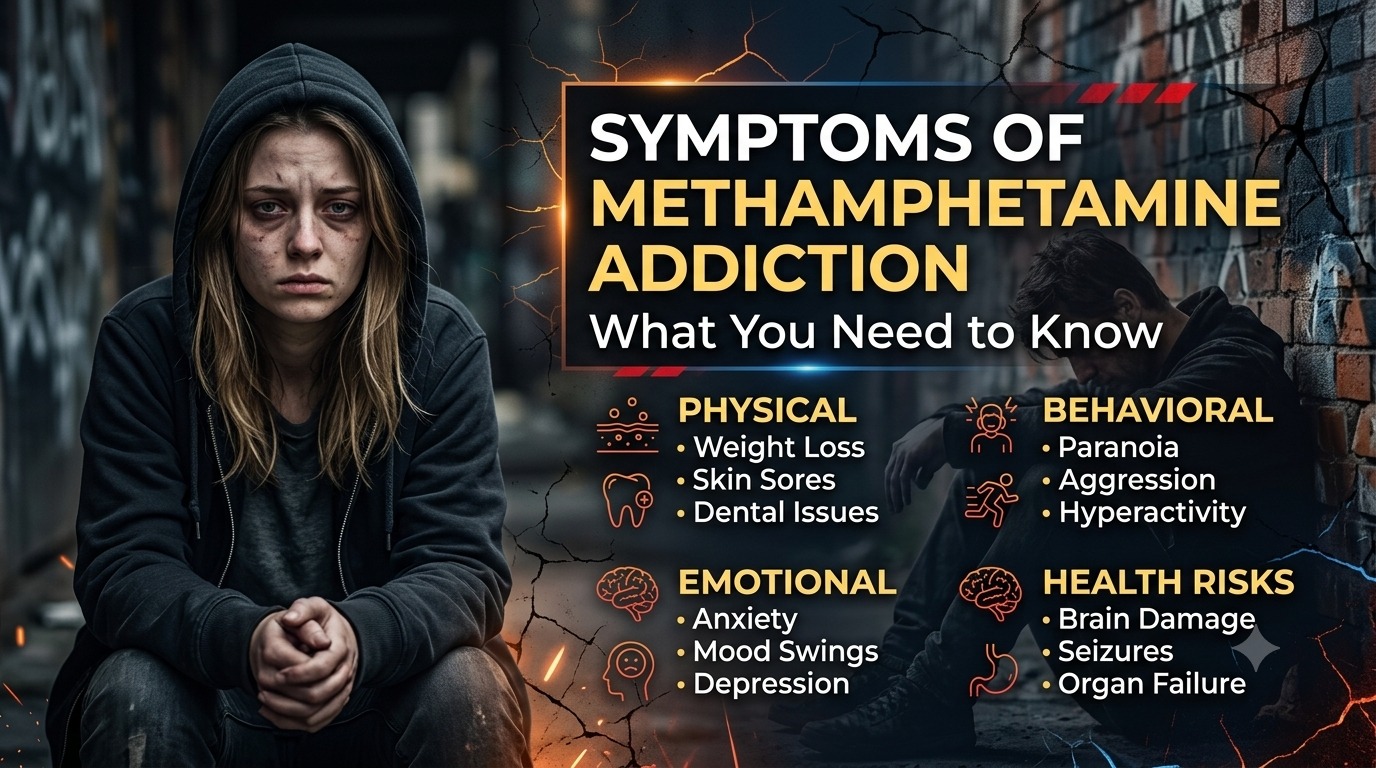
Methamphetamine Use Disorder
Methamphetamine is one of the most destructive addictions to exist.
It leads to high levels of euphoria followed by severe crashes, which often causes binge use. Long-term use may lead to permanent damage to the brain.
Long-Term Effects
- Severe dental problems
- Extreme weight loss
- Memory loss and psychosis
- Rise in the risk to infectious diseases
Prescription Drug Misuse
Prescription medications like stimulants, sedatives, and painkillers are potentially very addictive when misused.
Common Risks
- Heart problems
- Anxiety and mood disorders
- Dangerous side-effects of withdrawal
- Especially increased risk of overdose if taken with other substances
Behavioral Addictions
Not all addictions are substance-related. However, some of the behaviors may become compulsive and harmful.
Common Patterns of Behavioral Addictions
- Gambling disorder
- Compulsive pornography or sexual behaviour
- Internet, gaming, or social media addiction
These addictions have similar ramifications on the brain reward systems as drugs and can have financial, emotional, and social consequences.
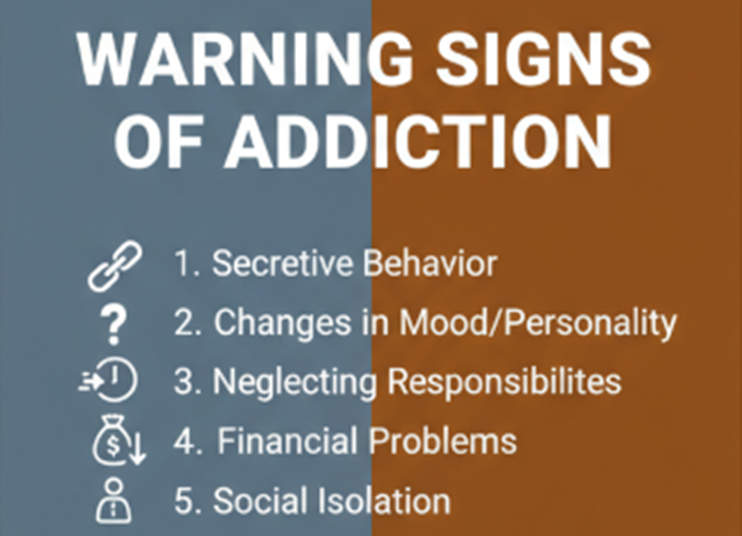
Warning Signs of Addiction
Across substances and behaviors, warning signs can often be the same during addiction.
Red Flags
- Decrease in control of use or conduct
- Strong cravings or urges
- Ignoring responsibilities
- Continuation in spite of negative consequences
- Isolating from relationships or activities
If these signs are recognised at an early stage, recovery may become easier.
Pathways to Recovery
Recovery is possible in any kind of addiction. Treatment is more effective when it is individualized.
Common Treatment Options
- Medical detox to enable safe withdrawal
- Outpatient counseling
- Intensive outpatient services
- Residential or inpatient treatment
- Behavioral therapies such as CBT and DBT
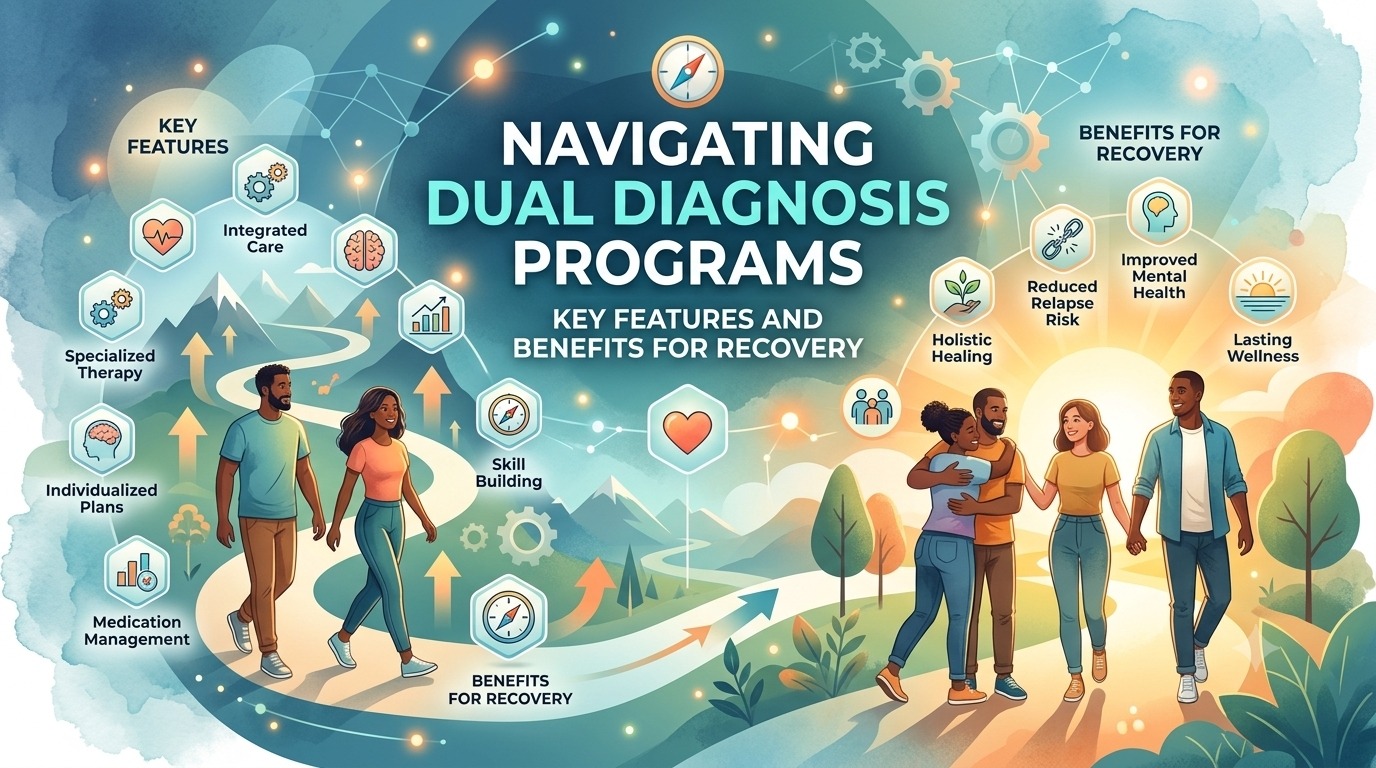
Recovery often involves treating co-occurring mental health illnesses as well as developing long-term coping skills.
Struggling with addiction? Call Florida Atlantic Coast Treatment Solutions today

Support and Recovery Solutions
Florida Atlantic Coast Treatment Solutions offers comprehensive, evidence-based care for individuals suffering from substance and behavioral addictions. Their team offers confidential assessments, individualized treatment planning, and ongoing support that is focused on long-term recovery.
Whether someone is taking the first step or returning after relapse, Florida Atlantic Coast Treatment Solutions offers guidance in a supportive, judgment-free environment. You can contact their team at (844) 643-2287 to explore treatment options.
Key Takeaways
- Even extreme addictions can be overcome
- Professional care offers greater recovery outcomes.
- Mental Health & addiction should be treated together
- Early intervention minimises long-term damage
Frequently Asked Questions
What is the most addictive substance?
There is no single most addictive substance, but opioids, nicotine, methamphetamine, and alcohol are considered highly addictive. They strongly affect the brain’s reward system, cause intense cravings, and often lead to severe withdrawal symptoms that make quitting without professional help very difficult.
Can someone have more than one addiction?
Yes, many people experience more than one addiction at the same time, known as polysubstance or co-occurring addictions. This can include multiple substances or a mix of substance and behavioral addictions, often alongside mental health conditions such as anxiety, depression, or trauma.
Is addiction a lifelong condition?
Addiction is considered a chronic condition, meaning it can require long-term management. However, many people achieve lasting recovery through treatment, ongoing support, lifestyle changes, and healthy coping strategies, allowing them to live stable, fulfilling, substance-free lives.
Do all addictions require inpatient rehab?
No, not all addictions require inpatient treatment. Some people recover successfully through outpatient or intensive outpatient programs. Inpatient rehab is typically recommended for severe addictions, high relapse risk, unsafe withdrawal symptoms, or when daily life is significantly disrupted.
What causes relapse?
Relapse can occur due to stress, untreated mental health conditions, exposure to triggers, lack of support, or overconfidence in recovery. It does not mean treatment failed, but often signals the need for additional support or adjustments to the recovery plan.
When should someone seek professional help?
Professional help should be considered when addiction begins affecting physical or mental health, relationships, work performance, or personal safety, or when repeated attempts to quit alone have failed. Early intervention greatly improves recovery outcomes.
Conclusion
- Some addictions are especially severe due to health and overdose risks
- Addiction affects both the brain and behavior
- Warning signs are often similar across substances
- Behavioral addictions can be just as harmful
- Recovery is possible with the right support
- Professional treatment offers the best chance for long-term healing
References
- National Institute on Drug Abuse (NIDA)
- Centers for Disease Control and Prevention (CDC)
- American Psychiatric Association – DSM-5