In This Blog
- What “addictive” means
- How substances affect the brain
- Commonly recognized highly addictive drugs
- Legal vs. illegal addictive substances
- Factors that influence addiction risk
- Patient-centered harm and risk considerations
- How addiction develops over time
- Supporting recovery and safety
- When to seek structured support
Addictive is a term used to refer to how a substance leads to alterations in the brain chemistry to induce high craving, compulsive behavior and loss of control to stop or quit the use despite the negative effects. Highly addictive drugs lead to a rapid and intense response of the reward system of the brain, which, by default, encourages the desire to use it again, and causes tolerance and withdrawal symptoms. Harm reduction, safety planning and decision making on whether to seek assistance or not can be informed by knowledge of the common substances that are considered to be the most addictive ones and why.
Even though we have no ideal list of all the substances in their ranking of the most addictive ones, scientific studies and clinical experience demonstrate that some of them are inevitably on the list of the substances that would push people into the circle of repeated use and wants. These are the legal and the illegal drugs in various types of drugs.
Expert Advice: Drugs with high addictive potential strongly activate the brain’s reward system, increasing craving and compulsive use over time.
What “Addictive” Means
A substance is considered addictive when its use repeatedly reinforces behavior via dopamine and other reward-linked brain chemicals, leading to craving, tolerance (needing more for the same effect), and withdrawal symptoms when not used. Addiction does not affect everyone who tries a substance genetics, environment, psychological history, and context of use all influence outcomes and may overlap with substance use disorder patterns.
Addictive potential is not the same as harm potential, although many highly addictive drugs also carry high risk of physical harm, social disruption, or overdose, often requiring evidence-based treatment approaches.
How Substances Affect the Brain
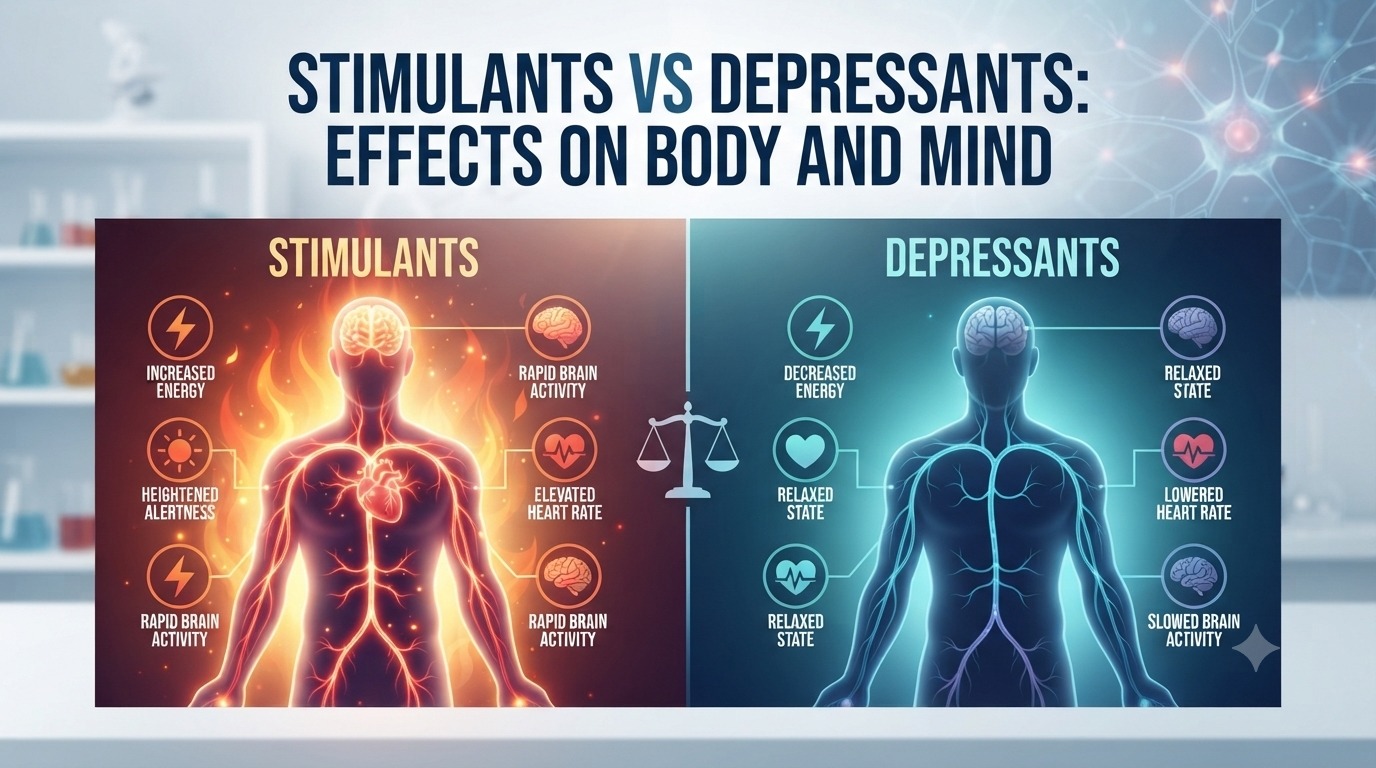
Drugs can increase levels of dopamine, a neurotransmitter associated with pleasure and reward far beyond what occurs with natural rewards like eating or social interaction. Rapid, intense dopamine surges reinforce the memory of the experience and can drive repeated use, sometimes at the expense of other activities. Over time, the brain’s normal chemistry changes, contributing to tolerance and withdrawal states if use is reduced or stopped, , frequently addressed during medical detox.
Repeated exposure can also affect decision-making, impulse-control systems, and stress regulation circuits, which is why impulse control disorders may coexist with substance misuse.
Commonly Recognized Highly Addictive Drugs
Below are examples of drugs frequently identified as being among the most addictive, based on how rapidly they can trigger cravings and habitual use.
Examples of Highly Addictive Drugs
Substance | Type | Notes on Addictive Potential |
Heroin | Opioid | Rapid and intense reward effects; high dependence risk |
Cocaine | Stimulant | Strong dopamine surge; brief high drives repeated use |
Methamphetamine | Stimulant | Extremely potent dopamine release; neurotoxic risk |
Nicotine | Stimulant | Highly reinforcing, especially via inhalation |
Alcohol | Depressant | Legal but widely abused; tolerance and withdrawal common |
Fentanyl | Synthetic opioid | Extremely potent opioid with high dependence potential |
These substances vary in legality and social context, but share a high potential to drive compulsive patterns of use and difficulty stopping without addiction treatment programs.
FACT: Some substances such as heroin, cocaine, methamphetamine frequently identified as among the most addictive.
Legal vs. Illegal Addictive Substances
Addictive drugs include both legal substances (like alcohol and nicotine) and illegal ones (such as heroin and cocaine).
- Alcohol is legal in many places but can lead to dependence and tolerance, especially with frequent heavy use, sometimes escalating to alcohol addiction.
- Nicotine products such as tobacco are legal yet highly addictive and linked to cardiovascular and respiratory harm.
- Prescription opioids like oxycodone can be addictive when used outside prescribed directions, contributing to dependency and misuse.
- Illicit stimulants such as methamphetamine and cocaine interfere directly with reward circuits, reinforcing repeated use.
The legality of a substance does not determine its addictive potential, but legal availability can influence patterns of use in populations.
Legal vs. Illegal: Addiction and Risk
Addictive potential interacts with availability, social context, and patterns of use. Even legal substances can have high risk for dependence when misused, while illegal substances often carry additional social and legal consequences alongside addiction risk.

Factors That Influence Addiction Risk
Not everyone develops addiction after using an addictive substance. Several factors influence whether repeated use leads to compulsive patterns:
- Genetic predisposition: Family history of addiction increases vulnerability.
- Environment: Social context, stress, and community norms affect use patterns.
- Age at first use: Early exposure often correlates with higher addiction risk.
- Route of intake: Inhalation or injection often leads to faster brain effects.
- Frequency of use: More frequent exposure increases tolerance and craving.
Addiction risk is multifactorial, and the same substance may be more addictive for one person than another.
Legal vs. Illegal: How Patterns Develop
Patterns of use that contribute to addiction often begin with experimentation or coping strategies but can quickly escalate with substances that enter the brain rapidly and intensely.
Patient-Centered Harm and Risk Considerations
Different substances pose different risk profiles. Some, like opioids and alcohol, can produce severe withdrawal symptoms that complicate stopping use. Others, like stimulants, can lead to intense psychological craving and mood dysregulation, often addressed through dual diagnosis treatment.
Addiction-Related Risks by Substance
Substance | Common Dependency Features | Risk Considerations |
Opioids (e.g., heroin, fentanyl) | Rapid tolerance, severe withdrawal | Respiratory depression, overdose risk |
Stimulants (e.g., cocaine, meth) | Strong cravings, mood swings | Cardiovascular strain, psychosis symptoms |
Nicotine | Quick absorption via lungs | Chronic health risks (lungs, heart) |
Alcohol | Widespread use, tolerance | Liver, nervous system, and withdrawal dangers |
These risk profiles highlight why some substances are more challenging to stop using once repeated use begins.
How Addiction Develops Over Time
Addiction often unfolds in stages: initial use, repeated use, tolerance build-up, and compulsive seeking despite negative consequences. Brain changes take place over time, making cessation difficult without supports that address both behavior and brain chemistry.
Withdrawal symptoms ranging from mild discomfort to severe physiological distress can deter individuals from stopping use without monitoring and strategic planning.
Supporting Recovery and Safety
Recovery from substance dependence involves addressing physical, psychological, and behavioral dimensions of use. Common support components include:
- Structured counseling: Helps identify triggers and build coping skills.
- Peer group engagement: Provides community support and encouragement.
- Behavioral therapies: Focus on thought and behavior patterns linked to use.
- Monitoring and follow-up: Encourages continuity of care and risk mitigation.
Structured engagement provides consistent oversight and tailored strategies to reduce risk and strengthen stability.
For evaluation and substance use support planning, contact Florida Atlantic Coast Treatment Solutions
When to Seek Structured Support
If substance use feels difficult to control, is harming daily life, or is associated with cravings and withdrawal symptoms, reaching out for structured support through substance abuse treatment can help clarify patterns and establish a personalized plan. Early evaluation supports proactive choices and continuity of involvement.
Discuss structured support options with Florida Atlantic Coast Treatment Solutions
Florida Atlantic Coast Treatment Solutions provides coordinated evaluation, monitoring, and personalized support planning for individuals experiencing addiction or dependence concerns. Their approach emphasizes professional oversight, tailored strategies, and continuity of support aligned with each person’s circumstances.
Medical Disclaimer: This blog is for informational purposes only and is not a substitute for professional medical advice.
Key Takeaways
- Addictive potential varies by substance and individual factors.
- Heroin, cocaine, methamphetamine, nicotine and alcohol are often cited as highly addictive.
- Drug effects on the brain’s reward system explain compulsive seeking behaviors.
- Legal status does not determine how addictive a substance can be.
- Support and structured planning help reduce risk and promote safety.
FAQs
What makes a drug addictive?
A drug becomes addictive when it strongly activates the brain’s reward system, reinforcing repeated use. Rapid onset, intense pleasure, tolerance development, and cravings increase addiction potential. Over time, repeated exposure can alter motivation and decision-making processes, making continued use feel necessary rather than optional.
Are legal substances like alcohol and nicotine addictive?
Yes. Alcohol and nicotine are legal substances with well-documented addictive potential. Both affect brain chemistry by reinforcing reward pathways, promoting tolerance and dependence. Their widespread availability does not reduce their capacity to influence behavior, habit formation, or long-term patterns of repeated use.
Which drugs are considered most addictive?
Drugs commonly identified as highly addictive include heroin, cocaine, methamphetamine, nicotine, and alcohol. These substances rapidly affect brain reward systems, often leading to strong cravings and tolerance. Addiction risk depends on factors such as frequency of use, method of intake, and individual vulnerability.
Can addiction happen after only a few uses?
Addiction does not develop the same way for everyone. While some people may use substances without immediate dependence, others can experience rapid craving escalation and tolerance after limited exposure, particularly with fast-acting substances that strongly affect brain reward pathways and reinforce repeated behavior quickly.
What should I do if I’m worried about addiction?
If concerns arise, seeking structured evaluation and guidance can help identify patterns, risks, and appropriate next steps. Early support allows individuals to explore strategies for reducing harm, strengthening coping skills, and making informed decisions before substance use becomes more disruptive or difficult to manage.