This mood swing exists in all human beings. And the other moment you are okay and the other moment, you are thinking about your life in general due to your cold coffee. However, when the alteration of the mood is so severe, and is directly connected with the usage of any substance, something more significant might occur.
Understanding Substance-Induced Mood Disorder
The problem impinges on the emotional state and can resemble depression or bipolar depression. The key difference? It does not happen as a result of a single mood disorder but is caused by drugs, or alcohol drugs.
It has to be plain and simple, straight and plain talking with medical words which make the text tedious.
Taking into consideration the knowledge of the Substance-Induced Mood Disorder.
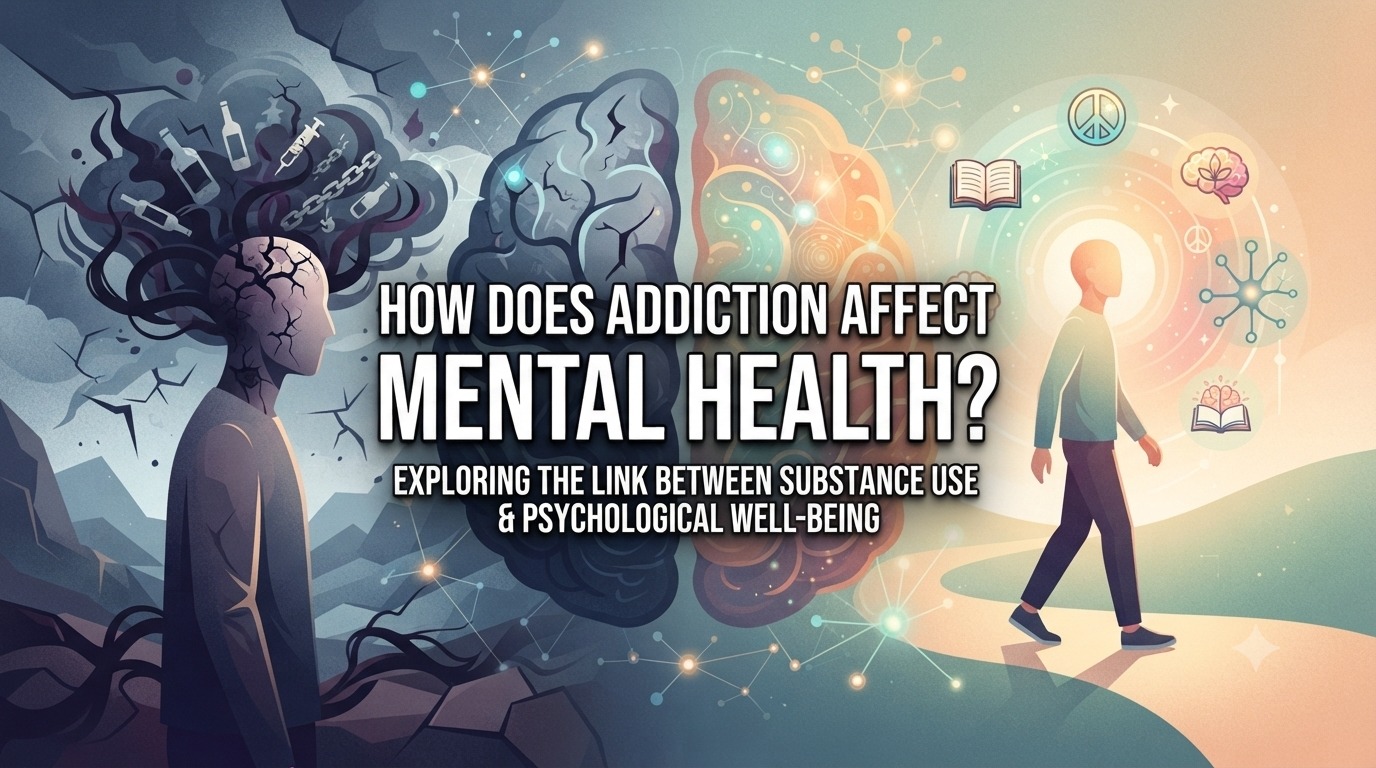
The term substance-induced mood disorder refers to a mood disorder that is induced as a result of alcohol, drugs or particular drugs. These symptoms can include depression, irritability, manic or numbness in feelings.
To define this diagnosis, the symptoms should be manifested either during a substance use, intoxication or withdrawal to qualify with this diagnosis (Florida Atlantic Coast Treatment Solutions). Timing matters here big time.
Doctors don’t guess. They take into consideration the patterns and history and the onset of the symptoms.
How This Disorder Differs From Other Mood Disorders
The disorders scrutinized by the substance-induced mood disorders might seem similar to the major depressive disorder or the bipolar disorder. It is because of such similarity that we have so many misunderstandings.
The logical disparity is as follows:
- Even the main mood is not only independent of drugs.
- Mood disorders caused by substances.
- The Professionals have a good diagnostic hint in case the improvement of the symptoms took place after the substance was quit.
In simple terms:
And even though the mood symptoms are disappearing as well, it is possible to assume that the substance was the dominant one.

Common Substances That Can Trigger Mood Disorders
Many people are always inclined to believe that illegal drugs alone are the ones that cause mental illness. The assumption so assumed breaks down miserably.
Medications associated with mood disorders include:
- Alcohol
- Opioids
- Stimulants (aka Cocaine or Methamphetamine)
- Addictive drugs – Benzodiazepine, a tranquilizer.
- Prescription drugs which include corticosteroids or some antidepressants.
Alcohol plays one of the biggest roles as a contributing factor. Regular studies have linked heavy or prolonged alcoholism with depressive disorders and unstable moods.
Recognizing the Symptoms
The drug, as well as an individual, identifies the symptoms. Nonetheless, tendencies are characteristic of Professionals.
Depression manifests itself with the following symptoms:
- Persistent sadness
- Loss of interest or pleasure
- Fatigue
- Feelings of worthlessness
- Difficulty concentrating
- The symptoms, such as manic or mixed, may be manifested as disease manifestations:
- Elevated or irritable mood
- Racing thoughts
- Decreased need for sleep
- Impulsive behavior
The symptoms can interfere with day-to-day life it is possible, not to mention, even with work and relationships. It is entertaining which keeps us alive and the jokes are not as amusing as the untreated mood disorders.
How to Diagnose Substance-Induced Mood Disorder
Taking one assumption, one should not make the diagnosis.
Professionals typically:
- Inquire about the substance history of use
- Assess timing of symptoms
- Lock out the mental illnesses.
- Include check on the change in the symptoms of abstinence.
Mental health workers base their conclusions on the guidelines they see in diagnostic manuals and other reliable sources of information such as Florida Atlantic Coast Treatment Solutions. One will not need to go canvassing luck or online rumors in order to do so.
Why Treatment Requires a Dual Focus
The mood symptoms cannot simply be solved just as they appear since the use of substances remains a problem. Secondly on the same note, is the cessation of the mood symptoms with the substance being used, which is a second hitch.
The treatment process is guided towards the management of the two conditions.
At Florida Atlantic Coast Treatment Solutions, the Professionals experience the extent of the interrelationship between the problem of addiction and the problem of mental illness. Compounded care can also offer the patients a generic treatment solution to state stabilization and a final solution.
Treatment Options That Actually Work
The plans used in the handling differ in terms of level, nature of substance and need.
Common approaches include:
- Whilst the need for medically supervised detox does exist.
- Therapy was focused on mood and coping behaviour.
- Administration of medication (caution and no mishandling).
- Treatment programs for drug and alcohol abuse.
- Continued psychological bedside nursing.
The recovery is also based on the trick that it is not a response to the symptoms, but to the cause.
Can Substance-Induced Mood Disorder Go Away?
Yes- most of them become much better as soon as they pause to imbibe the stimulating matter. The healing process is however not linear.
Residual mood symptoms may however be present among some patients. An undercover means of substance use may be considered a fine mood pathology and may lead to other parties.
The outcome is augmented by early age intervention. Denial of the symptoms is seldom productive, either psychosocially or physically.
Trying to recognize when one requires the assistance of a professional.
As soon as daily life gets disrupted by the modification of the moods or as the resort to substances seems to be getting out of the hand the issue has to be addressed by a professional.

When to Seek Professional Help
Florida Atlantic Coast Treatment Solutions represents a treatment organization that serves individuals who are psychologically challenged on the one hand and those with substance use on the other hand at the expense of compassionate care.
Final Thoughts
The frontier between mental numerousness and addiction falls into mood disorders due to drugs. It needs to be debrided, approached in a delicate manner and dealt with in a decent manner, and not simplified and stigmatized.
With the help, it will be able to recover, and normal life will change.
Even in the case of mood fluctuation concerning substance use as in your case or loved one, you can get some help.
Frequently Asked Questions (FAQs)
Is substance-induced mood disorder permanent?
Not usually. Symptoms often improve after stopping the substance, especially with professional support.
Can prescription medications cause this disorder?
Yes. Some medications can trigger mood symptoms, especially when misused or taken long-term.
How long do symptoms last?
Symptoms may last days to weeks after stopping substance use. Duration varies by individual and substance.
Is this the same as dual diagnosis?
It can be. Many people experience both substance use disorder and a mood disorder simultaneously.
Where can I get help?
Professional treatment centers like Florida Atlantic Coast Treatment Solutions provide integrated care tailored to individual needs.