In This Blog
- The relationship between alcohol and depression
- How alcohol affects brain chemistry and mood
- Short-term vs long-term mental health effects
- Risk factors that increase vulnerability
- Signs of alcohol-related depression
- Treatment options and structured support
- Importance of long-term recovery strategies
The interrelationship between alcohol and depression is complicated, yet the two are closely consistent. Others take alcohol to relieve stress or in low mood, whereas others are subjected to deteriorating emotional symptoms due to alcohol. To determine the cause of depression by alcohol, it is important to look at both the biological and behavioral factors.
Alcohol uses the central nervous system and it has an impact on the way the brain controls moods, decision-making, and the way the brain controls its emotional reaction. Although the short term use can produce a temporary relaxation effect, the continued or excessive use over a long period of time can cause impairment of normal functioning. The disturbance can also help in the emergence of depression related symptoms.
One should note that alcohol does not have a similar effect on all people. The frequency of use, the general health, the environment, and the prevailing mental health conditions are the factors. The paper is an evidence-based account of the relationships between alcohol and depression as well as the possible interventions that can be taken to help yield improved outcomes.
Expert Advice: Limit alcohol intake and monitor mood changes to identify patterns affecting mental health over time.
How Does Alcohol Affect Your Brain and Mood?
Alcohol interacts with neurotransmitters, which are chemical messengers responsible for communication within the brain. These chemicals regulate mood, motivation, and emotional balance.
Key Effects On Brain Function
- Increases gamma-aminobutyric acid (GABA), causing relaxation
- Reduces glutamate activity, slowing brain function
- Alters dopamine levels, affecting reward and motivation
These changes may initially produce calming effects, but repeated exposure can disrupt natural balance, leading to mood instability.
Can Alcohol Actually Cause Depression?
Alcohol does not automatically cause depression in every individual, but it can contribute to or worsen depressive symptoms. The relationship is often cyclical.
How The Cycle Works
- Alcohol is used to cope with stress or low mood
- Temporary relief is experienced
- Brain chemistry becomes disrupted
- Mood symptoms worsen over time
- Increased reliance on alcohol develops
This cycle can make it difficult to distinguish whether alcohol use or depression came first.
How Does Alcohol Affect Your Mood Short-Term?
In the short term, alcohol may create feelings of relaxation or reduced inhibition. However, these effects are temporary and can be followed by negative emotional changes.
Common Short-Term Effects
- Reduced anxiety initially
- Lowered inhibitions
- Impaired judgment
- Mood swings or irritability after use
As alcohol leaves the system, individuals may experience fatigue, low mood, or irritability.
Think alcohol might be affecting your mood?
Call Florida Atlantic Coast Treatment Solutions — let’s talk about what’s really going on.
What Does Long-Term Alcohol Use Do to Your Mental Health?
Long-term alcohol use can have a more significant impact on mental health and emotional stability.
Potential Long-Term Effects
- Persistent low mood
- Increased risk of depressive episodes
- Reduced motivation and energy
- Disrupted sleep patterns
- Difficulty concentrating
These effects are often linked to ongoing changes in brain chemistry and daily functioning.

Short-Term vs Long-Term Effects of Alcohol on Mental Health
Aspect | Short-Term Effects | Long-Term Effects |
Mood | Temporary relaxation | Persistent low mood |
Brain activity | Slowed temporarily | Ongoing imbalance |
Sleep | Drowsiness initially | Disrupted sleep cycles |
Energy levels | Brief increase or sedation | Chronic fatigue |
Who is Most at Risk for Alcohol-Related Depression?
Certain factors can increase the likelihood of experiencing depression related to alcohol use.
Key Risk Factors
- Frequent or heavy alcohol consumption
- History of mental health challenges
- High levels of stress or trauma exposure
- Limited social support
- experiencing depression
Understanding these factors can help identify individuals who may benefit from early intervention.
Signs that Alcohol Might be Causing Your Depression
Recognizing the signs of alcohol-related depression is important for seeking appropriate support.
Common Indicators
- Feeling low or unmotivated after drinking
- Increased reliance on alcohol to manage emotions
- Withdrawal from social or daily activities
- Difficulty maintaining routines
- Changes in sleep and appetite
These signs may develop gradually and should not be ignored.
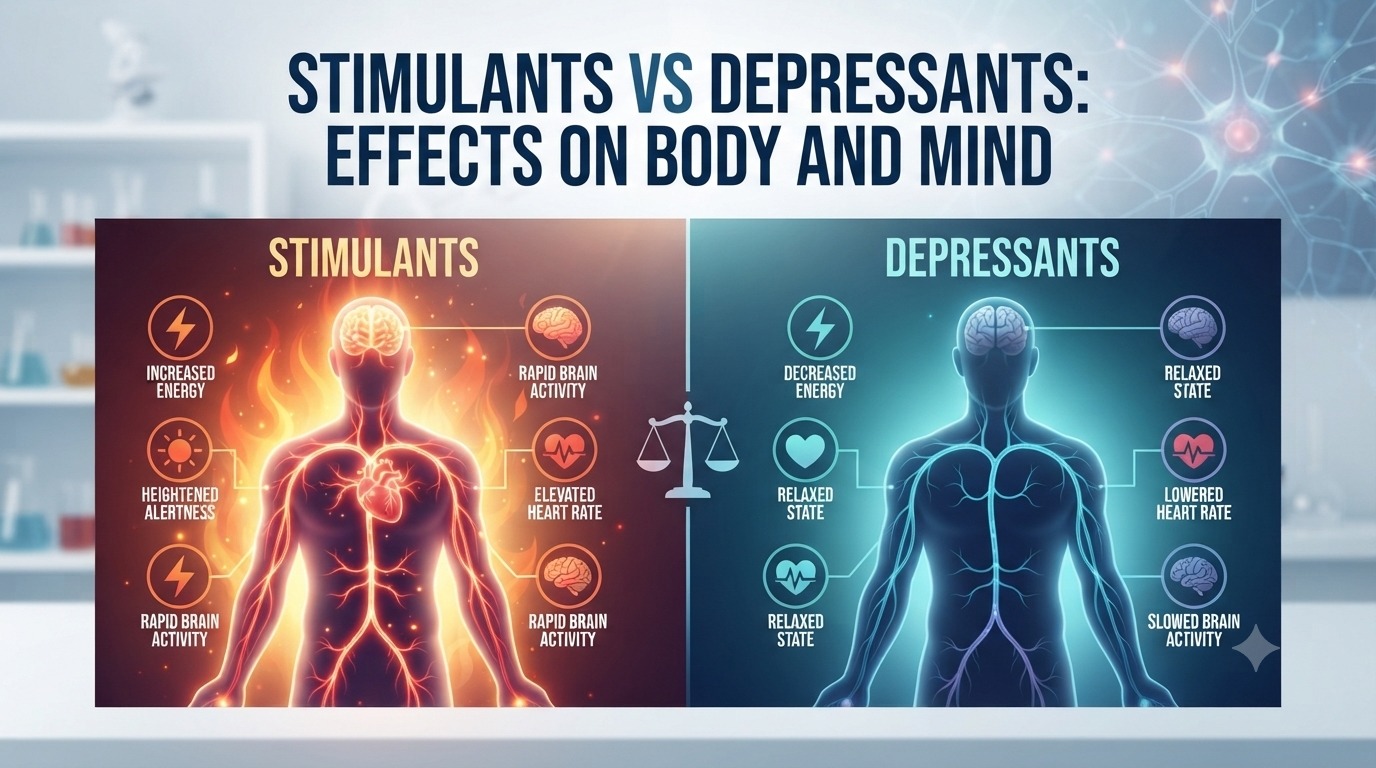
FACT: Alcohol is a depressant that slows brain activity and affects mood regulation systems significantly.
How Alcohol-Related Depression Affects Your Everyday Life
Alcohol-related depression can affect multiple areas of life, including relationships, work, and overall well-being.
Areas Commonly Affected
- Productivity and focus
- Social interactions
- Physical health
- Decision-making abilities
Over time, these challenges can reinforce negative patterns and reduce quality of life.
What are the Treatment Options for Alcohol-Related Depression?
Addressing alcohol-related depression often requires a combination of approaches. Structured support can help individuals manage both substance use and mood-related symptoms.
Common Treatment Approaches
- Behavioral therapies
- Counseling sessions
- Support groups
- Medication-assisted approaches when appropriate
The goal is to address both alcohol use and emotional well-being in a coordinated way.
Types of Support Available for Alcohol and Depression
Support Type | Description | Purpose |
One-on-one sessions | Address personal challenges | |
Shared experiences | Build connection and insight | |
professional programs | Organized treatment plans | Provide consistency |
Ongoing follow-up services | Maintain stability |
Why Consistent Support Matters When Dealing With Alcohol and Depression
Professional programs provide consistency, accountability, and guidance. These elements are important when managing both alcohol use and depression.
Benefits Of Structured Care
- Regular schedules and routines
- Professional guidance and monitoring
- Skill-building for coping strategies
- Ongoing evaluation of progress
Recovery is a gradual process that benefits from continuous support and adjustment.
How to Break the Cycle of Alcohol Use and Depression
Breaking the connection between alcohol and depression requires addressing both patterns together. Focusing on one without the other may limit progress.
Key Strategies
- Reducing or stopping alcohol use
- Developing healthier coping mechanisms
- Building consistent routines
- Seeking structured support when needed
These steps help restore balance and improve long-term outcomes.
Dealing with alcohol and depression at the same time is tough. Call Florida Atlantic Coast Treatment Solutions and let’s figure out the right path forward together.
What People Get Wrong About Alcohol and Depression
Misunderstandings can make it harder to recognize the impact of alcohol on mental health.
Clarifications
- Alcohol does not improve mood long-term
- Temporary relief does not equal recovery
- Reducing alcohol can improve emotional stability
- Structured support does not guarantee outcomes but provides guidance
Accurate information supports better decision-making.
Call (844) 643-2287 so that a caring specialist can guide you through the different steps that you should follow to go through with recovery.

How to Maintain Long-Term Recovery From Alcohol-Related Depression
Managing alcohol-related depression involves ongoing effort and adjustments over time.
Long-Term Approaches
- Maintaining structured routines
- Continuing therapy or support programs
- Monitoring mood and behavior changes
- Building a stable support system
Consistency is key to maintaining progress and reducing the risk of recurrence.
Florida Atlantic Coast Treatment Solutions offers professional programs designed to support individuals managing alcohol use and depression through coordinated care, consistent routines, and evidence-based approaches.
Medical Disclaimer: This article is for informational purposes only and is not a substitute for professional medical advice.
Call us today and talk with a treatment specialist and start living a healthier alcohol-free life.
Key Takeaways
- Alcohol affects brain chemistry and mood regulation
- It can contribute to or worsen depressive symptoms
- Short-term relief is often followed by negative effects
- Long-term use increases risk of persistent depression
- Structured support helps address both alcohol use and mood
- Recovery requires ongoing and consistent effort
Frequently Asked Questions
1. Can alcohol directly cause depression in people?
Alcohol can contribute to depression by altering brain chemistry and disrupting mood regulation. While it may not cause depression in every individual, regular or excessive use increases the risk. Over time, these changes can lead to persistent low mood, especially when combined with other personal or environmental factors.
2. Why does alcohol make you feel worse later?
Alcohol initially slows brain activity, creating temporary relaxation. However, as it leaves the system, brain chemistry becomes imbalanced, leading to fatigue, irritability, and low mood. These after-effects can make emotional symptoms feel more intense, especially with repeated use or higher levels of consumption.
3. Is depression caused by alcohol reversible over time?
In many cases, reducing or stopping alcohol use can lead to improvements in mood and emotional stability. The brain may gradually regain balance, although recovery timelines vary. Structured support and consistent routines can help individuals manage symptoms and support long-term improvements in overall well-being.
4. How can I tell if alcohol affects my mood?
You can track patterns between drinking and emotional changes. Noticing consistent low mood, irritability, or fatigue after alcohol use may indicate a connection. Monitoring sleep, energy levels, and behavior over time can help identify whether alcohol is influencing your mental health significantly.
5. What treatments help with alcohol-related depression issues?
Treatment often includes behavioral therapies, counseling, and structured support programs. These approaches focus on addressing both alcohol use and mood-related symptoms. In some cases, additional interventions may be considered based on individual needs, helping create a balanced and sustainable recovery plan.