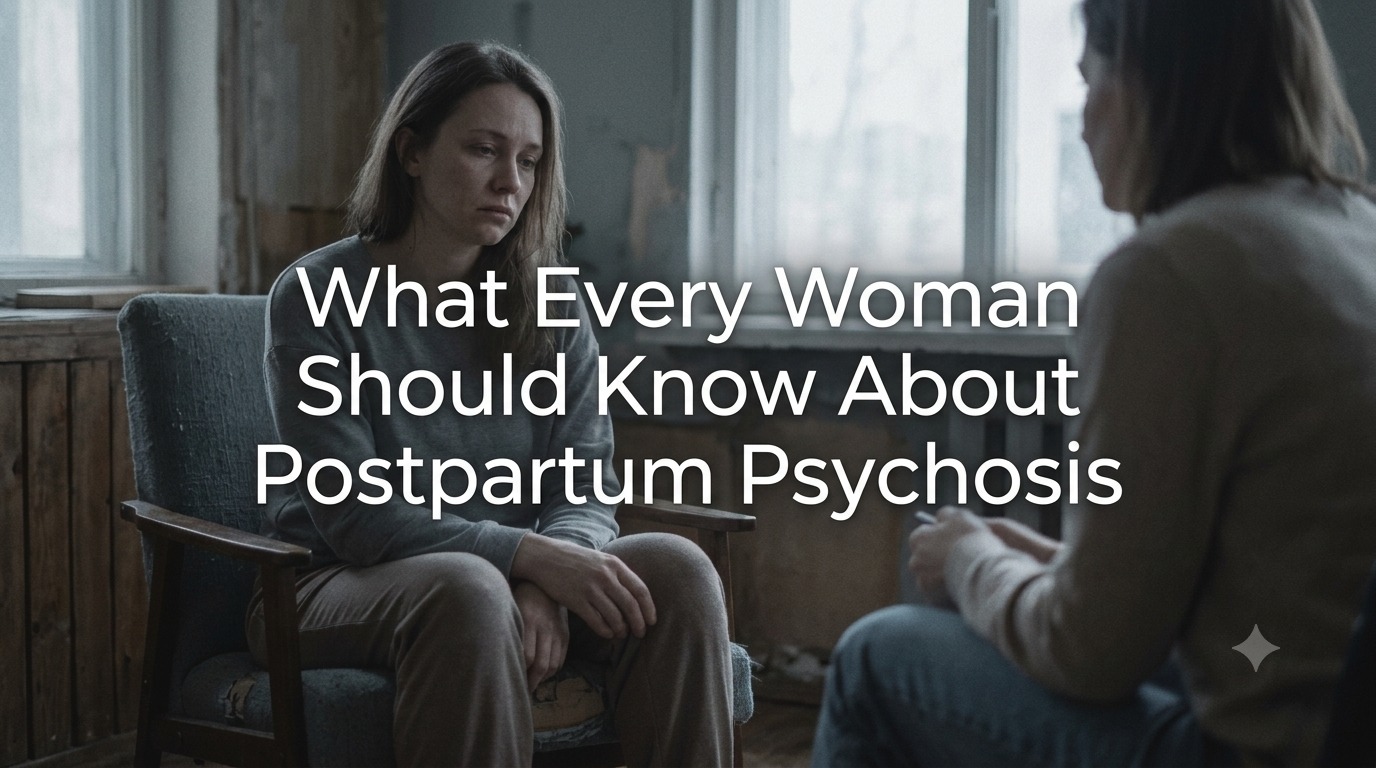
Postpartum depression is a severe mood disorder that occurs during or after pregnancy. It leads to prolonged sadness, anxiety, hopelessness or numbness and disrupts everyday functioning and interactions with the baby. It is treated as a medical condition, as it has the same diagnostic criteria as major depression, and is treated with therapy, medication, or a combination of the two.
Yes, postpartum depression (PPD) is a mental illness. It is a major depressive disorder with peripartum onset, as recognized in the DSM-5, a mood disorder. This isn’t a character flaw; it’s not a lack of bonding, nor is it a matter of “pushing through. As with any depression, it can be treated.
There are lots of new moms who don’t want to use the term mental illness. It may feel scary, lifelong or embarrassing, particularly when people think you should be happy. In a medical review in 2024, stigma was identified as one of the primary barriers that women with PPD do not seek help.
If you name it right, it will change. If you recognize PPD as a disease, you can find a remedy for it instead of hiding it.
Why Is Postpartum Depression Considered a Mental Illness?
PPD is considered a mental illness because it meets the clinical criteria for major depressive disorder. A diagnosis requires at least five core depressive symptoms, lasting two weeks or more, that cause real distress or disrupt daily functioning. The DSM-5 adds a “peripartum onset” label when symptoms begin during pregnancy or soon after delivery.
How It Is Classified | What That Means |
Diagnosis | Major depressive disorder with peripartum onset |
Core requirement | Five or more depressive symptoms for at least two weeks |
Official onset window | During pregnancy or within four weeks after birth |
Real-world risk window | Symptoms can begin months after delivery |
Genetic link | Twin research estimates heritability near 54% |
That genetic finding matters. According to a 2024 review in Diagnostics, studies of twins and sisters suggest PPD runs in families, much like other mood disorders.
Calling it an illness is not a label meant to shame anyone. It opens doors to insurance coverage, workplace protections, and evidence-based treatment. It also shifts the conversation from “What’s wrong with me?” to “What care do I need?” which is often the moment real recovery begins.
Research insight: Most women with PPD decline professional help because of the social stigma attached to mental illness, and doctors may miss or downplay early symptoms. (Dimcea et al., Diagnostics, 2024)
Baby Blues vs Postpartum Depression: What’s the Difference?
The baby blues are brief mood swings that start in the first week after birth and fade within days. PPD is longer, deeper, and interferes with daily life. Postpartum psychosis is rare but severe, involving hallucinations or confusion, and requires emergency care. Only the blues typically resolve without treatment.
Condition | How Common | When It Starts | How Long It Lasts | Needs Treatment? |
Baby blues | 50% to 80% of new mothers | First week | Hours to a few days | Usually not |
PPD | About 1 in 6 worldwide | Pregnancy to months after birth | Weeks to months or longer | Yes. |
Postpartum psychosis | 1 to 2 per 1,000 births | Often the first weeks | Varies | Yes, emergency. |
Worried that what you feel is more than exhaustion? Florida Atlantic Coast Treatment Solutions can talk it through confidentially.
What Are the Signs of Postpartum Depression?
Signs of postpartum depression include persistent sadness, anxiety, or emptiness, frequent crying, trouble bonding with the baby, and losing interest in activities. Many mothers feel guilty, worthless, or overwhelmed and struggle to sleep even when the baby sleeps. Symptoms last most days for two weeks or longer.
What You Might Feel | What Others Might Notice |
“I’m failing as a mom” | Withdrawing from family and friends |
Constant worry or dread | Irritability or sudden anger |
Emptiness instead of joy | Crying often or seeming flat |
Exhaustion that sleep doesn’t fix | Changes in eating habits |
Thoughts of escaping or self-harm | Using alcohol or pills to cope |
If several of these show up together, especially thoughts of self-harm, reach out for help the same day.

Why Does Postpartum Depression Happen?
PPD happens through a mix of biology, psychology, and life circumstances. After birth, estrogen and progesterone drop sharply, which affects mood-regulating brain chemicals. Stress hormones, thyroid changes, sleep loss, a personal or family history of depression, and limited social support all raise the risk further.
What causes postpartum depression is rarely one thing, which is why treatment works best when it addresses several drivers at once. Researchers group the main drivers like this:
- Biological: Hormone drops, changes in stress-hormone systems, thyroid shifts, and genetics
- Psychological: Past depression or anxiety, depression during pregnancy, and low self-esteem
- Social: Relationship strain, little practical help, financial stress, or domestic violence
- Lifestyle: Severe sleep deprivation and substance use
How Long Does Postpartum Depression Last?
How long postpartum depression lasts varies, but untreated episodes often continue for months and can stretch beyond the first year. Research shows new cases peak between two and six months after delivery. With treatment, many mothers improve within weeks, and outcomes are strongest when care starts early.
Early screening matters because many mothers blame themselves and wait. Treatment makes a measurable difference. The diagnostics review reports that mothers taking SSRIs antidepressants had a 46% remission rate, compared with about 26% in control groups.
Fact: Mental health conditions caused 23% of pregnancy-related deaths from 2017 to 2019.
Unsure whether it is the blues or something more? Call Florida Atlantic Coast Treatment Solutions for guidance.
How Is Postpartum Depression Linked to Substance Use?
PPD and substance use often feed each other. Some mothers drink or misuse pills to sleep, numb anxiety, or push through exhaustion, which deepens depression over time. The stakes are high: CDC review committees found mental health conditions, including overdose and suicide, were the leading cause of pregnancy-related deaths.
CDC data: Mental health conditions, including deaths by suicide and overdose, were the underlying cause of 23% of pregnancy-related deaths from 2017 to 2019. (Psychiatric News, reporting CDC maternal mortality data)
More than half of pregnancy-related deaths happen between one week and one year after birth, which is exactly when depression and substance use tend to surface.
How to Deal With Postpartum Depression
Dealing with postpartum depression starts with telling a provider how you really feel. From there, effective treatment usually combines talk therapy, medication, or both. Practical support at home, protected sleep, and avoiding alcohol also help. Severe cases, or those involving substance use, may need residential care.
- Get screened. Ask your OB, midwife, or primary doctor for a depression screening.
- Start therapy. CBT and other talk therapies build coping skills and reduce isolation.
- Discuss medication. SSRIs and the FDA-approved pill zuranolone are options.
- Accept practical help. Let others handle meals, chores, and night feedings when possible.
- Avoid alcohol and unprescribed pills. They worsen mood and raise safety risks.
- Seek a higher level of care if symptoms are severe or substance use is involved.
Recovery is rarely a straight line. Some weeks feel lighter, others heavier. Keep appointments even on good days, and let a partner or friend help you track changes you might miss.
Expert Advice: Tell your OB or midwife about drinking or pill use after delivery.

How FACTS Treats Postpartum Depression and Addiction
Florida Atlantic Coast Treatment Solutions in Melbourne, Florida, provides residential care for mothers whose depression after birth has become severe or is tangled with alcohol or drug use. The Mental Health Residential Treatment program treats depressive disorders with round-the-clock clinical support in a calm, resort-like setting with private rooms.
When substance use is involved, medical detox and residential substance use treatment address both conditions together. Therapy may include cognitive behavioral therapy, dialectical behavior therapy, and trauma-informed therapy. It may also include family therapy and workshops that reflect the center’s family-first philosophy. FACTS also treats postpartum psychosis after emergency stabilization.
Ready to feel like yourself again? Call FACTS Recovery to start a confidential assessment.
FAQs
Is postpartum depression a mental illness?
Yes. Postpartum depression is a recognized depressive disorder that can occur during pregnancy or after childbirth. It may involve persistent sadness, anxiety, irritability, hopelessness, loss of interest, sleep difficulties, or problems bonding with the baby. PPD is treatable, and psychotherapy, medication, or a combination may help depending on individual needs.
Is postpartum depression just hormones?
No. Hormonal changes after pregnancy can contribute to postpartum depression, but they are not the only factor. Genetics, previous depression or anxiety, sleep deprivation, stressful life circumstances, pregnancy or birth complications, and limited social support can also increase risk. PPD generally develops through a combination of biological, psychological, and social factors.
What is the difference between baby blues vs postpartum depression?
Baby blues are common after childbirth and usually involve temporary mood changes, tearfulness, irritability, or feeling overwhelmed that improve within about two weeks. Postpartum depression causes more persistent or severe symptoms that interfere with daily functioning and bonding. Symptoms lasting beyond two weeks or worsening should be evaluated by a healthcare professional.
Can PPD be cured?
Many people recover substantially or fully from postpartum depression with appropriate treatment. Psychotherapy, medication, social support, and practical help with sleep and childcare can all play important roles. Some people experience recurrent depression or need longer-term care, so ongoing monitoring and follow-up may be recommended after symptoms improve.
Can postpartum depression lead to substance use?
Postpartum depression does not inevitably lead to substance use, but some people may turn to alcohol, prescription medications, or other substances while trying to cope with emotional distress or sleep difficulties. Substance use can worsen mood, interfere with treatment, and create additional health risks, including dependence or substance use disorder.
Does PPD count as a disability?
Severe postpartum depression can substantially affect a person’s ability to work and function, and it may qualify for certain workplace accommodations, leave, or disability benefits depending on applicable laws and individual circumstances. Eligibility varies by location, employer, insurance, and documentation. A healthcare provider or qualified benefits professional can explain available options.
Can fathers be diagnosed with depression after a baby?
Yes. Fathers and other non-birthing partners can develop depression during the postpartum period. Symptoms may include irritability, sadness, withdrawal, anxiety, sleep problems, loss of interest, or increased substance use. Partners experiencing persistent or worsening symptoms should seek professional evaluation, because postpartum depression can affect any parent or caregiver.
Will PPD affect my baby?
Untreated postpartum depression can make bonding and responsive caregiving more difficult and may affect aspects of a child’s emotional and developmental environment. This does not mean a parent will inevitably harm their child or that lasting problems are unavoidable. Seeking treatment early can support the well-being of both parent and baby.
Can I take antidepressants while breastfeeding?
Some antidepressants can be used during breastfeeding when clinically appropriate. Certain SSRIs, including sertraline, are commonly considered compatible with breastfeeding because relatively low amounts pass into breast milk. Medication choice should be individualized based on symptoms, medical history, infant factors, and treatment benefits. Discuss risks and benefits with your healthcare provider.
When is PPD an emergency?
Postpartum depression requires urgent help when someone has thoughts of suicide or harming the baby, severe confusion, hallucinations, delusions, or behavior suggesting immediate danger. Postpartum psychosis is a medical emergency and requires immediate evaluation. In the United States, call 911 for immediate danger or 988 for a mental health crisis.
References
- Dimcea, D. A., et al. (2024). Postpartum depression: Etiology, treatment, and consequences for maternal care. Diagnostics, 14(9), 865.
- National Institute of Mental Health. Perinatal depression.
- Psychiatric News. (2024). Maternal mental health and pregnancy-related deaths. American Psychiatric Association.
- U.S. Food and Drug Administration. (2023). FDA approves first oral treatment for postpartum depression.
- Viktorin, A., et al. (2016). Heritability of perinatal depression and genetic overlap with nonperinatal depression. American Journal of Psychiatry, 173, 158–165.
- Gavin, N. I., et al. (2005). Perinatal depression: A systematic review of prevalence and incidence. Obstetrics & Gynecology, 106, 1071–1083.
- Health Resources and Services Administration. National Maternal Mental Health Hotline.
- FACTS Recovery. Mental Health Residential Treatment.
This article is for informational purposes only and should not replace professional medical advice, diagnosis, or treatment. If you or someone you know is struggling with substance use, contact FACTS Recovery or visit factsrecovery.com to learn about available treatment options.