January is Substance Use Disorders (SUD) Treatment month, a month for increasing awareness about addiction, recovery and the access and ethical treatment of addiction. As many people are thinking about health and lifestyle changes as the year starts, January is a good time to address the issues around substance use with clarity, compassion and evidence-based support.
This month focuses on knowing that it is possible to recover and it is a sign of strength and not failure to seek help.
What Is Substance Use Disorder (SUD) Treatment Month?
Substance Use Disorder Treatment Month is dedicated to education and the reduction of stigma and encouragement to those individuals and families who are affected by substance use. It emphasizes the fact that addiction is a behavioral health condition and is affected by emotional, neurologic and environmental factors.
Through treatment awareness in January, as the adjustment of the public perception away from the idea of judgment and towards solutions and recovery that can focus on dignity, safety and long-term wellness is a great way to improve.
Why January Matters for Recovery Awareness
January is the time of new beginnings, of setting goals, and looking back. For many it is a time when patterns of substance use are more apparent following the holiday time.
The finding that motivation to change often picks up during this period of time it has been cited by behavioral-health professionals. SUD Treatment Month serves as a means of normalizing the conversation of addiction and encouraging people to reach out for help during the beginning stages before things build up.
Understanding Substance Use Disorder
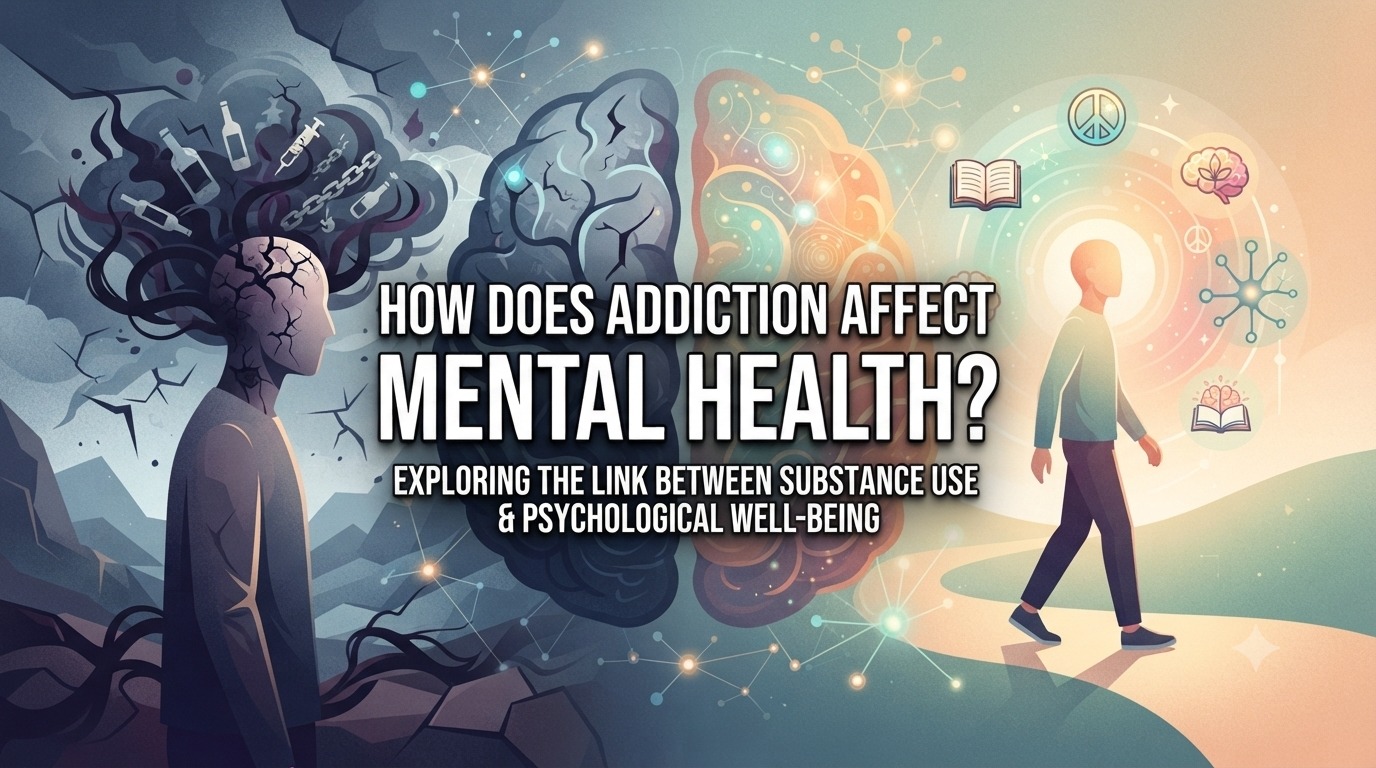
Substance Use Disorder is the continued use of a substance, in spite of the harmful consequences. It impacts decision-making, emotional regulation and the stress response system.
SUD is on a spectrum; one can have a mild SUD or a severe case. Recognizing this range, people can realize that treatment is not “one-size-fits-all” and that the process of recovery should be just as personalized and adaptable.
How Substance Use Disorders Affect Daily Life
The types of people that may become affected by substance use disorders include:
- Emotional stability
- Relationships and family dynamics
- Work or academic performance
- Physical health and sleep patterns
- Decision-making and impulse control
These effects tend to add up over time and therefore, early recognition and intervention is important.
FACT: Over 20 million adults in the U.S. meet criteria for substance use disorders.
Speak confidentially with FACTS Recovery about substance use concerns.
The Importance of Reducing Stigma
Stigma has been ranked as one of the biggest barriers to treatment. Many people take the time to go to help because they are too afraid to be judged or others won’t understand them.
SUD Treatment Month’s goal is to help spread the truth and focus on the fact that addiction is not a moral failing. Reducing stigma results in increased treatment engagement, better treatment outcomes, and healthy communities in general.
What Effective SUD Treatment Focuses On
Recovery-oriented treatment is not confined only to substance use. It supports:
- Emotional regulation
- Behavioral awareness
- Stress management
- Relapse prevention
- Long-term stability
Programs that apply the principles of behavioral health assist the individual to develop sustainable recovery as opposed to short-term abstinence.
The Role of Behavioral Health in Recovery
Substance use often goes together with either anxiety, depression or trauma or is a result of chronic stress. Being able to attend to these things is the key to a permanent recovery.
Integrated behavioral health care has the advantage of providing people with an understanding of the emotional triggers, developing the ability to cope, and, eventually, developing a sense of control and self-efficacy.
EXPERT’S ADVICE: “Treating emotional drivers is essential for sustained substance use recovery.”
Why Early Treatment Makes a Difference
Early intervention helps to avoid the potential of escalation and long-term harm. However, the ones who get in treatment sooner often experience:
- Uplifted and increased emotional stability
- Lower relapse risk
- Stronger support networks
- Better long-term outcomes
SUD Treatment Month is a rally behind the message that help works at all stages, not just while in the midst of a crisis.
How Treatment Supports Long-Term Recovery
Recovery is a process and not an event. Treatment programs help one to acquire:
- Self-awareness
- Healthy routines
- Emotional resilience
- Accountability structures
These things help to carry out long-term change and need to be less reliant on substances as a way of coping.

The Impact on Families and Loved Ones
Substance use disorder not only has an impact on the individual but also on the family. It is not so unusual to see the loved ones stressed out and wondering how to make things better
Education and recovery support help the family to establish boundaries for support and communication between family members, as well as participate in a healing process without enabling problematic patterns.
Why Awareness Months Matter
Awareness initiatives like SUD Treatment Month:
- Encourage open dialogue
- Promote evidence-based care
- Normalize seeking help
- Reduce misinformation
- Connect individuals to support
These efforts are important and have a part in changing the narrative in bringing increased access to recovery resources.
Florida Atlantic Coast Treatment Solutions offers caring and recovery-based services to individuals who are suffering from substance use issues. Their programs are focused on behavioral-health stabilities and emotional resiliency as well as customized recovery planning to help individuals to move on with clarity, confidence and long-term support beyond momentary change.
Medical Disclaimer: This article is for informational purposes only and is not a substitute for professional medical advice.
Start your recovery journey with
Florida Atlantic Coast Treatment Solutions
Recovery today.
Key Takeaways
- January is dedicated to awareness and addiction/substance disorder treatment.
- SUD has an impact on emotional, behavioral and neurological health
- Minimizing stigma means better involvement in treatment and resulting in better treatment outcomes
- Early intervention supports safer, more sustainable recovery
- Behavioral-health integration is essential for long-term stability
- Recovery is a process that can help in structure with care and support
FAQs
1. What is Substance Use Disorder Treatment Month?
Substance Use Disorder Treatment Month is observed in January to raise awareness about addiction, recovery, and treatment access. It encourages education, reduces stigma, and promotes early intervention by highlighting that substance use disorders are treatable behavioral health conditions rather than personal failures.
2. Why is January chosen for SUD Treatment Month?
January aligns with reflection and goal-setting after the holiday season. Many individuals reassess health behaviors during this time, making it an effective period to encourage conversations about substance use, recovery readiness, and the availability of supportive treatment resources.
3. Does SUD Treatment Month focus only on severe addiction?
No. SUD Treatment Month recognizes that substance use exists on a spectrum. It promotes awareness and support for individuals at all stages, including those experiencing early warning signs, problematic patterns, or more severe substance-related challenges requiring structured treatment.
4. How does awareness help people seek treatment?
Awareness reduces stigma and misinformation, making individuals more likely to seek help. When substance use is framed as a health issue rather than a moral failure, people feel safer accessing support, discussing concerns, and engaging in recovery-focused treatment options.
5. Can treatment still help after years of substance use?
Yes. Treatment can be effective at any stage. Recovery outcomes depend on engagement, support, and individualized care rather than duration of use alone. Many people experience meaningful improvements in stability and quality of life even after long-term substance use.
6. How can families support SUD Treatment Month?
Families can support by learning about substance use disorders, encouraging compassionate conversations, reducing stigma, and supporting loved ones seeking help. Participation in education and recovery support fosters healthier dynamics and strengthens long-term recovery outcomes for everyone involved.
References
- Substance Abuse and Mental Health Services Administration (SAMHSA): https://www.samhsa.gov
- National Institute on Drug Abuse (NIDA): https://nida.nih.gov
- Centers for Disease Control and Prevention (CDC): https://www.cdc.gov
National Institutes of Health (NIH): https://www.nih.gov